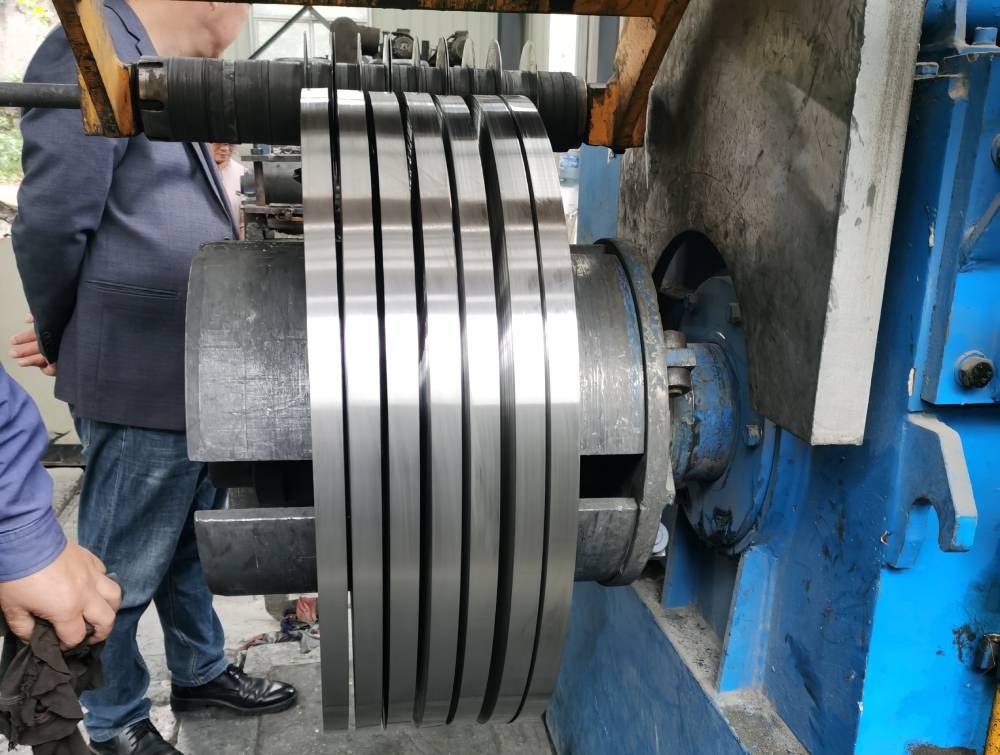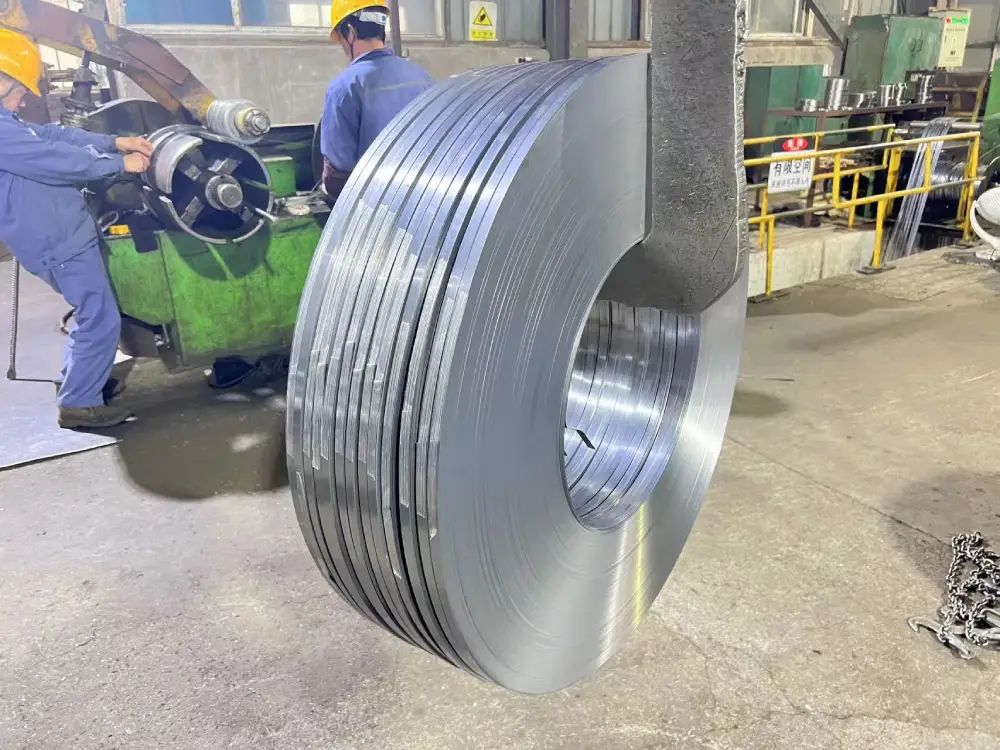

Giới thiệu
When choosing the right steel strip for your application, the differences between high carbon, alloy, Và dải thép không gỉ matter. Each material offers unique strengths and limitations that impact performance, cost, và độ bền. Whether you’re manufacturing springs, dụng cụ cắt, or components for harsh environments, understanding their properties is essential.
Trong blog này, we’ll break down the key differences in sáng tác, performance, applications, and help you decide which steel strip is right for your business.
1. Dải thép carbon cao
? Key Traits:
- High carbon content (typically 0.6–1.0%)
- Very hard and wear-resistant after heat treatment
- Limited corrosion resistance
✅ Ideal For:
- Springs
- Cutting blades
- Hand tools
- Cưa
- Agricultural equipment
⚙️ Performance Highlights:
- Excellent hardness after quenching and tempering
- High tensile strength
- Poor corrosion resistance—requires coating or oiling if used in humid environments
? Expert Tip: Use high carbon steel when độ cứng, edge retention, or elasticity is the priority and corrosion resistance is not critical.
2. Dải thép hợp kim
? Key Traits:
- Contains elements like chromium, molybdenum, vanadium, vân vân.
- Enhanced mechanical properties over plain carbon steels
✅ Ideal For:
- Automotive components
- Mechanical parts under high stress
- Tooling requiring specific wear or fatigue resistance
- Industrial blades
⚙️ Performance Highlights:
- Balanced strength, độ dẻo dai, and fatigue resistance
- Can be heat-treated for different performance requirements
- Greater flexibility in mechanical design
? Expert Tip: Choose alloy steel strip when you need customized mechanical strength or the material must withstand dynamic loads.
3. Dải thép không gỉ
? Key Traits:
- Contains at least 10.5% chromium
- Excellent corrosion and oxidation resistance
- Non-magnetic (in many grades)
✅ Ideal For:
- Kitchenware
- Medical instruments
- Marine components
- Điện tử
- Decorative parts
⚙️ Performance Highlights:
- Long-term corrosion resistance—even in salty or humid environments
- Good formability and aesthetics
- Lower hardness compared to high carbon and some alloy steels (in annealed state)
? Expert Tip: Use stainless steel when corrosion resistance, Vệ sinh, or surface appearance is essential.
? Steel Strip Comparison Table
| Tính năng / Type | High Carbon Steel | Alloy Steel | Thép không gỉ |
|---|---|---|---|
| Độ cứng (Post-Treatment) | ★★★★★ | ★★★★☆ | ★★★☆☆ |
| Kháng ăn mòn | ★☆☆☆☆ | ★★☆☆☆ | ★★★★★ |
| Wear Resistance | ★★★★★ | ★★★★☆ | ★★☆☆☆ |
| Formability | ★★☆☆☆ | ★★★☆☆ | ★★★★☆ |
| Trị giá | ★★☆☆☆ | ★★★☆☆ | ★★★★☆ |
| Suitable for Heat Treatment | ✅ Yes | ✅ Yes | ⚠️ Limited (some grades) |
? Cách chọn dải thép phù hợp?
Choosing the best steel strip comes down to understanding the working environment, mechanical demands, Và budget. Here are some quick guidelines:
- Need hardness and wear resistance? → Go for Dải thép carbon cao
- Need strength and fatigue resistance under dynamic loads? → Use Dải thép hợp kim
- Need corrosion resistance or aesthetic surface? → Choose Dải thép không gỉ
? Need Help with Material Selection?
Tại Jiaxiao MTC, we supply a wide range of cold-rolled and heat-treated steel strips including SK5, 65Mn, 50CRV4, 75CR1, Và 301 dải thép không gỉ. Our expert team can guide you on the best option for your application—ensuring long-term performance and cost efficiency.
? Contact Us Today
Have a project in mind? Let’s talk materials.
sales@ddiok.org