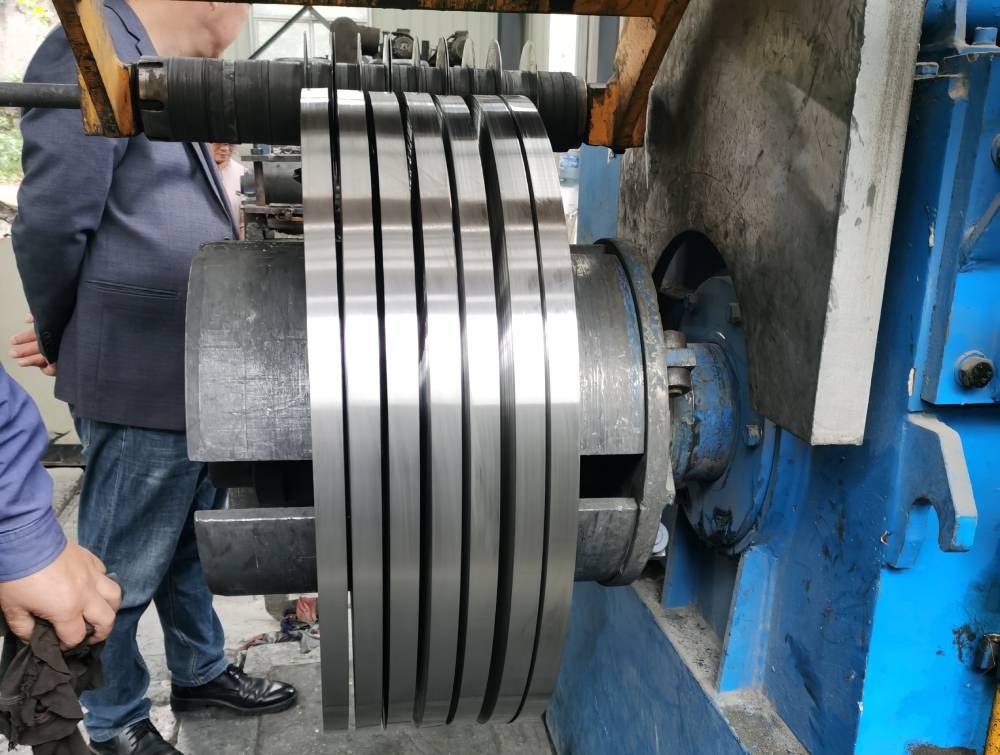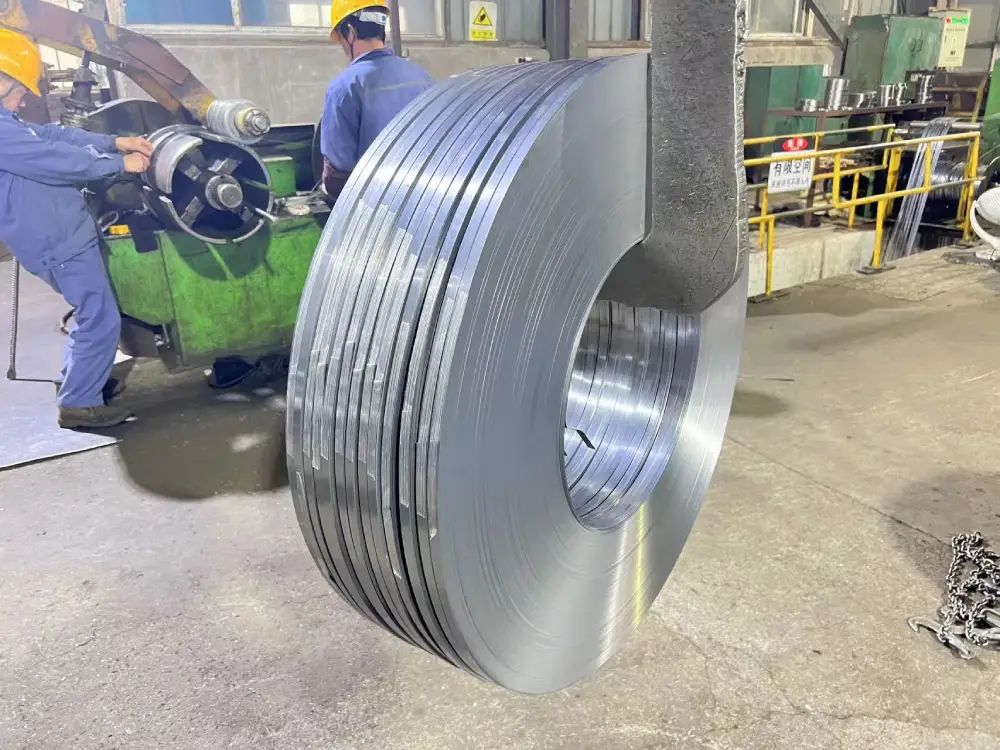
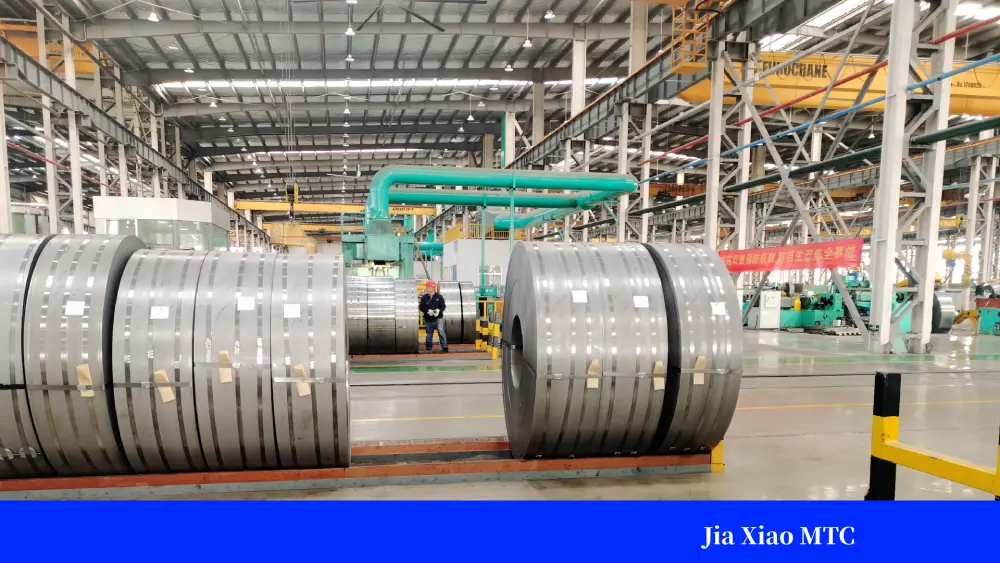
Steel strips are indispensable in the automotive industry, offering a combination of strength, linh hoạt, và độ chính xác. As the industry evolves towards lightweight, sustainable, and high-performance vehicles, the demand for advanced steel strip solutions continues to grow. This article explores the applications of steel strips in automotive manufacturing and their future potential.
Key Applications of Steel Strips in the Automotive Industry
- Body Panels and Structural Components:
- Cold rolled steel strips are used in car body panels, doors, and roofs, providing a high-quality finish and excellent formability.
- Their high strength-to-weight ratio contributes to reducing vehicle weight while maintaining safety and durability.
- Springs and Suspension Systems:
- Exhaust Systems:
- Stainless steel strips offer corrosion resistance and high-temperature stability, making them ideal for exhaust pipes and mufflers.
- They ensure durability in harsh environments, such as exposure to heat and road salts.
- Transmission and Clutch Components:
- Dải thép hợp kim are used in gears, clutch plates, and transmission components, providing the required strength and wear resistance for efficient power transfer.
- Seals and Gaskets:
- Thin steel strips are used in precision components like seals and gaskets to ensure tight tolerances and leak prevention.
Advantages of Using Steel Strips in Automotive Manufacturing
- Lightweight and Strong:
- Advanced high-strength steel (AHSS) strips reduce vehicle weight, improving fuel efficiency and reducing emissions.
- Cost-Effectiveness:
- Steel strips are more affordable than alternative materials like aluminum or composites, offering a balance between cost and performance.
- Customizability:
- Available in various grades, finishes, and dimensions, steel strips can be tailored to meet specific automotive requirements.
- Sustainability:
- Steel is 100% recyclable, aligning with the automotive industry’s push for greener manufacturing practices.
Future Trends and Innovations
- Lightweighting with Advanced Steel Grades:
- The development of ultra-high-strength steel (UHSS) strips allows automakers to design lighter vehicles without compromising safety.
- Increased Demand for Electric Vehicles (EVs):
- Steel strips are essential for battery enclosures, motor components, and structural reinforcements in EVs.
- Smart Manufacturing:
- Automation and precision engineering in steel strip production enable higher quality and reduced waste, supporting automotive efficiency goals.
- Corrosion-Resistant Coatings:
- Innovations in coating technologies enhance the durability of steel strips in challenging environments.
Challenges and Solutions
- Balancing Strength and Ductility:
- Developing steel strips that offer both high strength and excellent formability is crucial for complex automotive designs.
- Reducing Environmental Impact:
- Manufacturers are adopting cleaner production technologies and using renewable energy to reduce carbon footprints.
Phần kết luận
Steel strips play a vital role in shaping the future of automotive manufacturing. Their versatility, sức mạnh, and sustainability make them indispensable for creating safer, lighter, and more efficient vehicles. As technology advances, steel strips will continue to drive innovation in the automotive industry. For premium-quality steel strips tailored to your needs, liên hệ Jiaxiao MTC and explore our extensive range of automotive solutions.