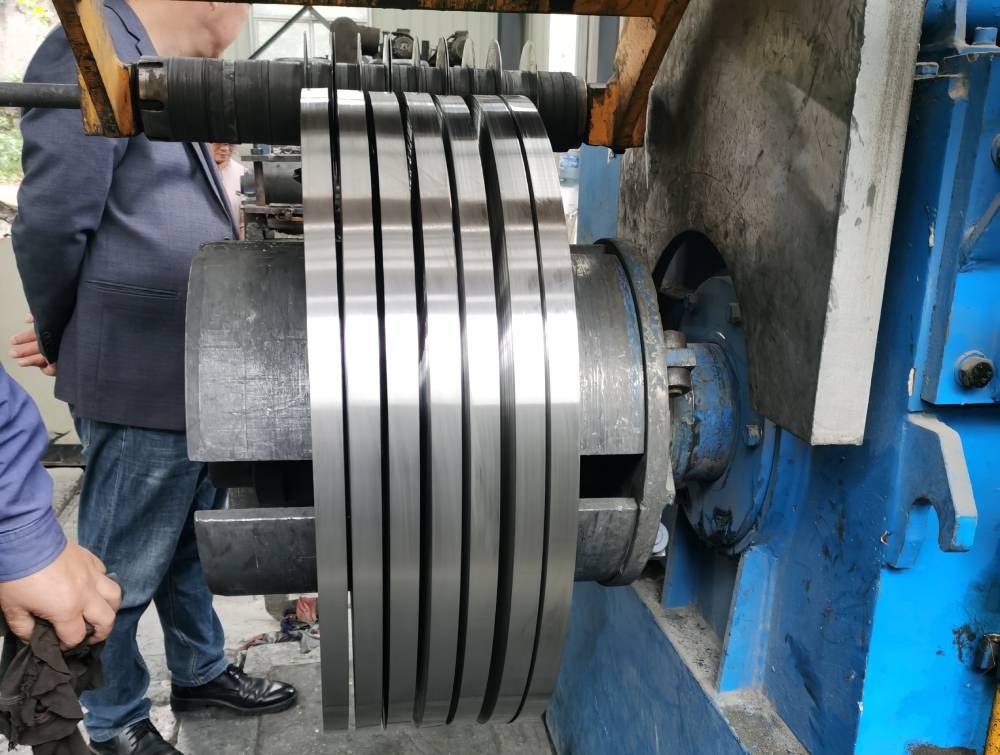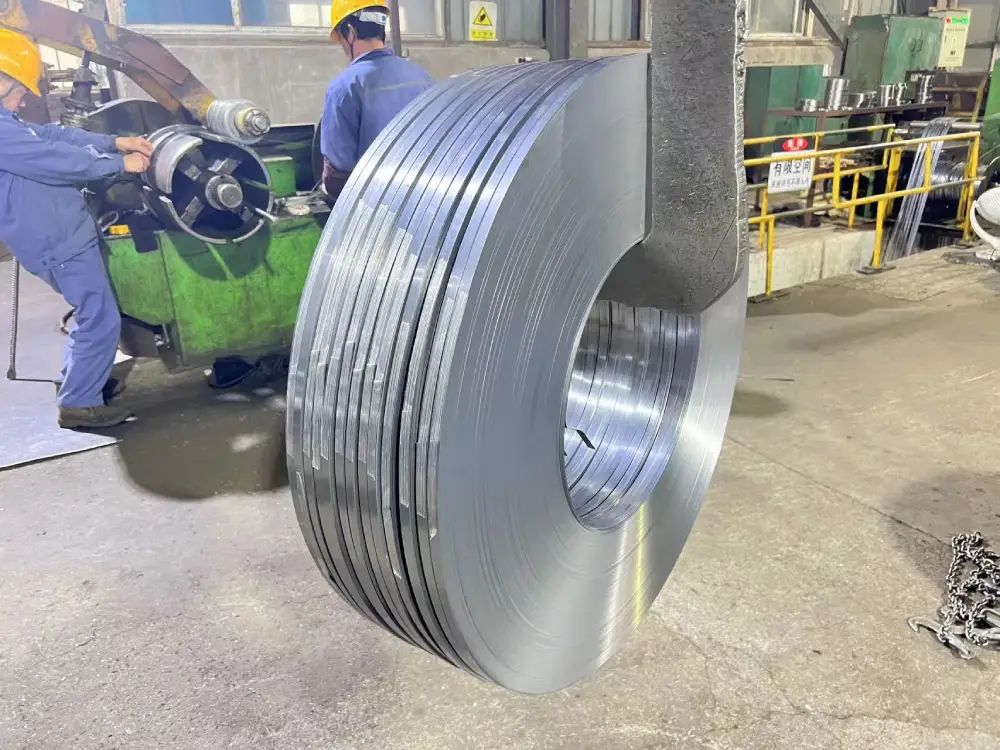
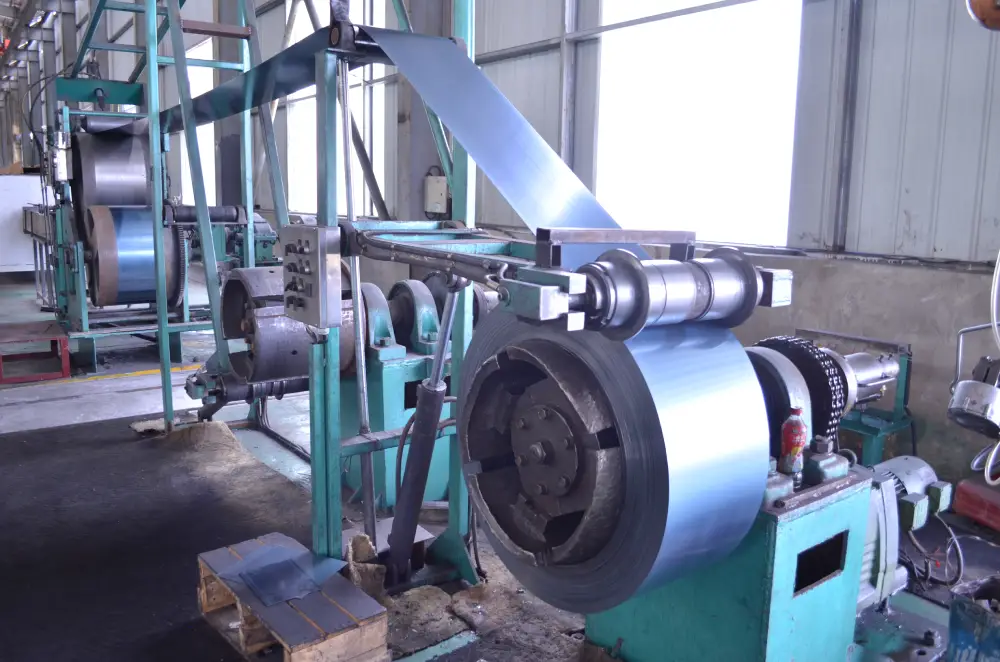
High carbon steel strips play a pivotal role in the manufacturing of springs, offering unmatched strength, elasticity, and durability. Springs are integral components in a wide array of industries, and the selection of material significantly impacts their performance and longevity. This article delves into why high carbon steel strips are the material of choice for spring manufacturing and their key applications.
Key Characteristics of High Carbon Steel Strips
High carbon steel strips are defined by their high carbon content, typically ranging from 0.6% to 1.0%. This composition enhances the material’s mechanical properties, making it ideal for demanding applications.
Key Properties Include:
- High Tensile Strength: The increased carbon content improves the steel’s resistance to deformation under stress.
- Excellent Elasticity: High carbon steel strips can return to their original shape after significant bending or stretching.
- Durability: Resistant to wear and fatigue, these strips ensure the longevity of the springs.
- Heat Treatability: High carbon steel can undergo heat treatments to further enhance its hardness and strength.
Why High Carbon Steel Strips Are Ideal for Spring Manufacturing
Springs require materials that can endure repeated loading and unloading without permanent deformation. High carbon steel strips meet these demands due to their:
- Superior Strength-to-Weight Ratio: High carbon steel strips provide the necessary strength while maintaining a lightweight profile, making them suitable for precision components.
- Versatility in Heat Treatment: These strips can be hardened and tempered to achieve specific performance characteristics, such as enhanced toughness or flexibility.
- Cost-Effectiveness: High carbon steel is more affordable compared to other materials like stainless steel or alloy steel, offering excellent performance at a lower cost.
- Customization Options: Available in various grades (e.g., C67S, C75S, C80), high carbon steel strips can be tailored to meet diverse spring requirements.
Applications of High Carbon Steel Strips in Spring Manufacturing
High carbon steel strips are widely used in the production of various types of springs, y compris:
- Automotive Springs: Used in suspension systems, disques d'embrayage, and brake components.
- Industrial Springs: Essential for machinery and equipment, providing shock absorption and energy storage.
- Rolling Shutter Springs: Require high flexibility and durability to ensure smooth operation over thousands of cycles.
- Precision Springs: Found in watches, électronique, and medical devices, where small size and reliability are critical.
Grades of High Carbon Steel Strips for Springs
Commonly used grades include:
- C67S: Ideal for medium-load applications requiring high elasticity.
- C75S: Known for its high fatigue strength and durability.
- C80: Offers superior hardness and resistance to wear, suitable for heavy-duty applications.
Optimizing Spring Manufacturing with High Carbon Steel Strips
To achieve optimal performance in spring manufacturing, several factors should be considered:
- Accurate Dimension Tolerance: Ensures consistent spring performance.
- Traitement de surface: Processes like polishing and edge treatment reduce the risk of fractures.
- Traitement thermique: Proper quenching and tempering enhance the strip’s mechanical properties.
Conclusion
High carbon steel strips are indispensable in the manufacturing of springs, thanks to their strength, flexibility, and cost-effectiveness. By choosing the right grade and applying precise manufacturing techniques, industries can produce springs that meet rigorous performance standards. For high-quality high carbon steel strips, Jiaxiao MTC offers reliable solutions tailored to your specific needs. Contact us today to learn more about our products and services.