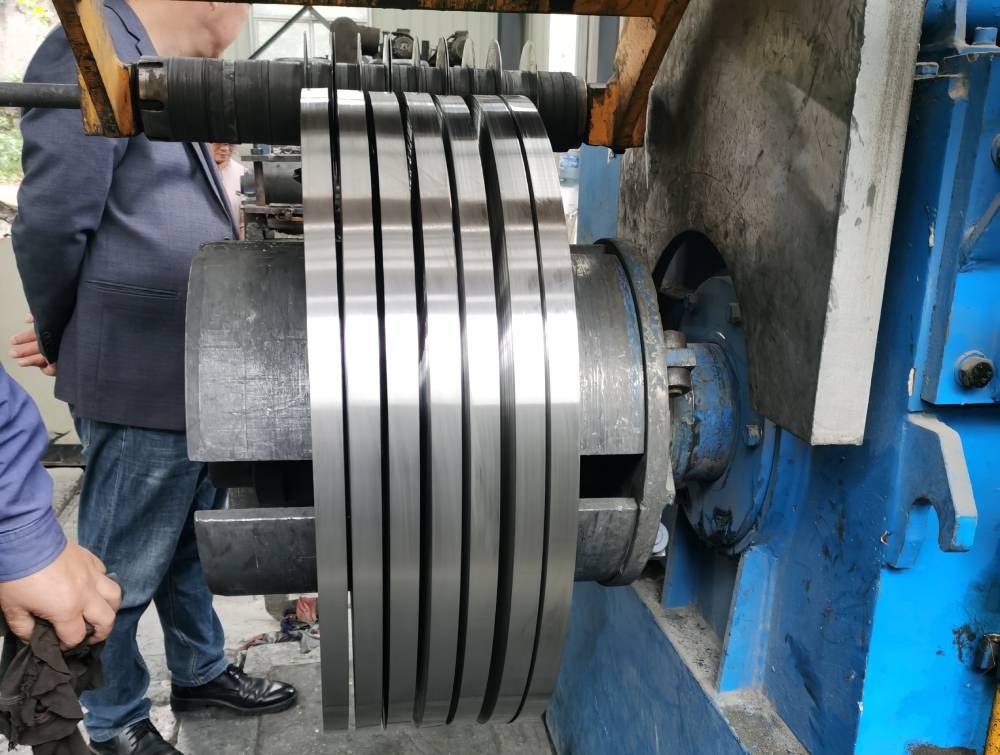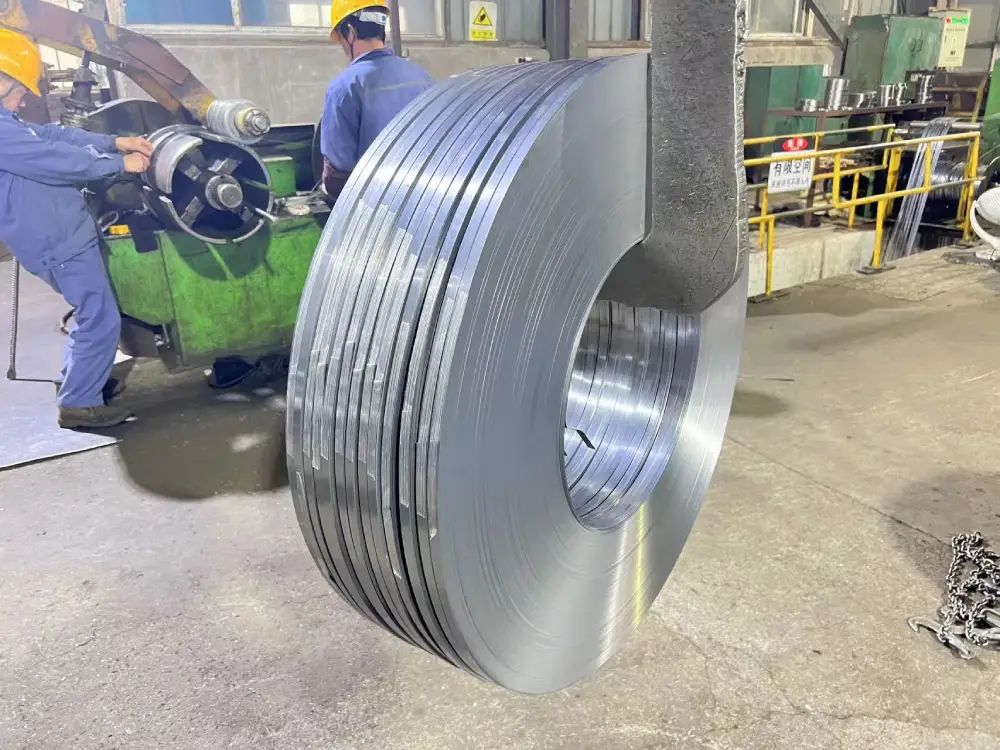
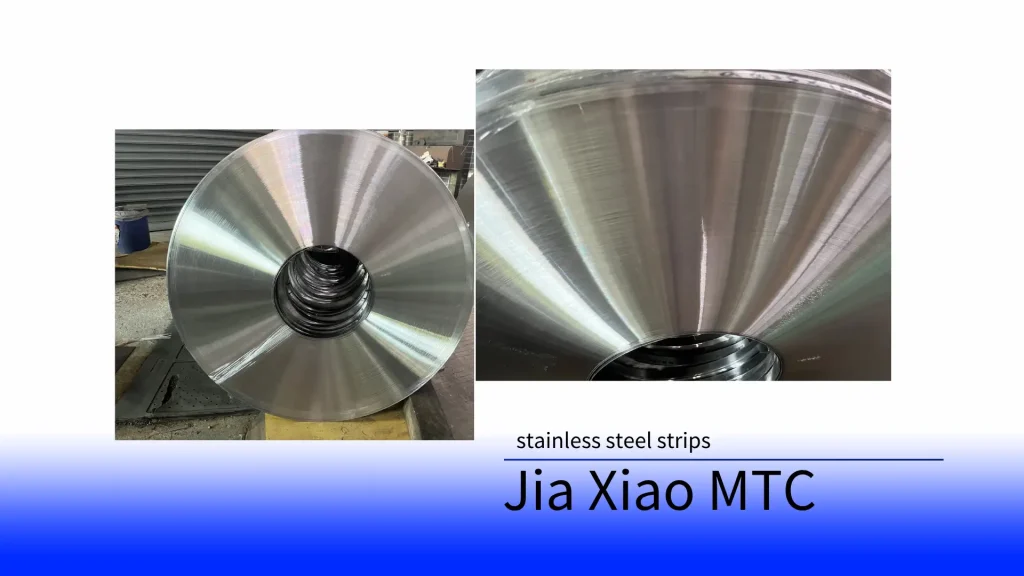
Stainless steel strips are among the most versatile materials in industrial and commercial applications. Known for their exceptional corrosion resistance, durabilidad, and aesthetic appeal, stainless steel strips are indispensable in various industries. This article explores the unique properties of stainless steel strips and their typical applications.
Key Properties of Stainless Steel Strips
Stainless steel strips derive their superior performance from their chemical composition, which typically includes iron, cromo, nickel, and other elements. These materials impart the following characteristics:
- Resistencia a la corrosión:
- Chromium content forms a protective oxide layer, making stainless steel highly resistant to rust and corrosion.
- Ideal for use in harsh environments, including marine, chemical, and food industries.
- High Strength and Durability:
- Stainless steel strips maintain structural integrity under high pressure and temperature conditions.
- Suitable for applications requiring long-term reliability.
- Aesthetic Appeal:
- Available in various finishes, including polished, brushed, and mirrored, making them perfect for decorative uses.
- Heat Resistance:
- Can withstand extreme temperatures without losing mechanical properties, making them suitable for heat-intensive processes.
- Hygiene and Easy Maintenance:
- Non-porous surface resists bacterial growth, making stainless steel ideal for sanitary applications.
Typical Applications of Stainless Steel Strips
The unique properties of stainless steel strips make them suitable for a wide range of applications across industries:
- Construction and Architecture:
- Used in structural components, techumbre, and cladding.
- Decorative elements like handrails, paneles de ascensor, and door frames.
- Industria automotriz:
- Employed in exhaust systems, trims, y refuerzos estructurales.
- Lightweight and durable, contributing to fuel efficiency and safety.
- Food and Beverage Industry:
- Essential in manufacturing food-grade containers, countertops, and processing equipment.
- Ensures hygiene and resists corrosion from acids and salts.
- Medical and Pharmaceutical Equipment:
- Used in surgical instruments, diagnostic devices, and hospital furniture.
- Easy to sterilize and maintains hygiene standards.
- Consumer Goods:
- Found in kitchenware, appliances, and decorative items.
- Combines durability with modern aesthetics.
- Sector energético:
- Used in solar panels, wind turbines, and power plants due to their strength and corrosion resistance.
Choosing the Right Stainless Steel Strip
To select the most suitable stainless steel strip for your needs, Considere lo siguiente:
- Calificación:
- Common grades include AISI 304 (excellent corrosion resistance) and AISI 316 (superior resistance to chlorides and acids).
- Acabado superficial:
- Choose a finish based on functional and aesthetic requirements, such as polished for hygiene or brushed for a decorative look.
- Dimensiones:
- Ensure the strip’s thickness and width match your specific application requirements.
- Supplier Reliability:
- Work with reputable suppliers who provide consistent quality, customization options, and technical support.
Conclusión
Stainless steel strips offer unparalleled benefits, from corrosion resistance to durability and aesthetic versatility. Their diverse applications across industries make them a valuable material for various projects. By understanding their properties and choosing the right specifications, you can maximize the performance and longevity of stainless steel strips. For high-quality stainless steel strips tailored to your needs, contact Guangzhou Jiaxiao Material Technology Co., Limitado. and explore our wide range of products and solutions.