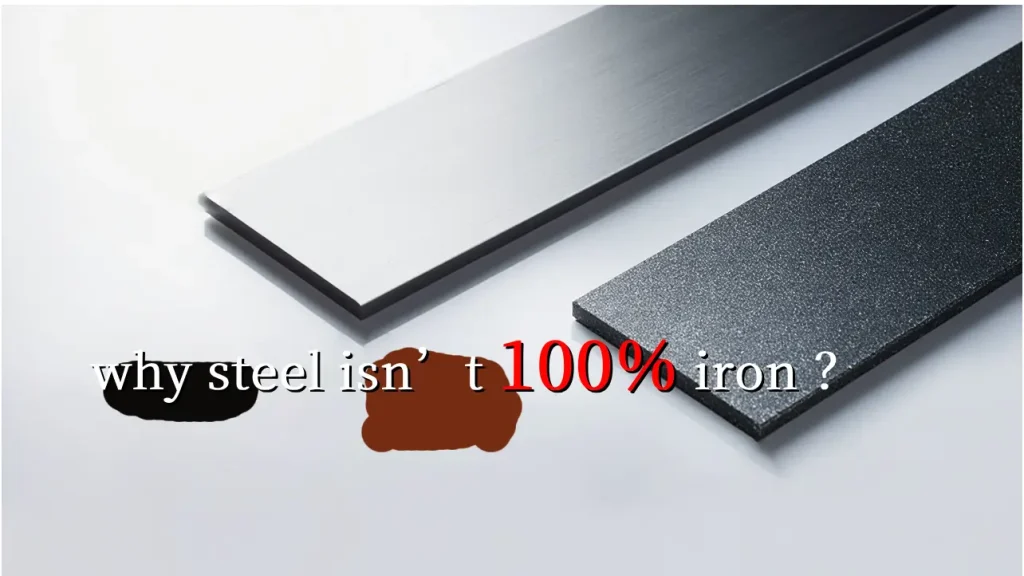
Steel has long been a cornerstone in modern construction, manufacturing, and engineering. But a common question arises: Is steel 100% iron? The short answer is no. While iron is the primary component, steel is an alloy that combines iron with other elements to enhance its properties. In this post, we’ll delve deeper into the science behind steel, its detailed composition, and why adding other elements makes all the difference.
Giới thiệu
Steel’s versatility comes from its unique composition. Unlike pure iron, which is soft and susceptible to corrosion, steel’s blend of iron with carbon and various alloying elements creates a material that is strong, bền bỉ, and adaptable to countless applications. This guide will walk you through:
- The fundamental differences between pure iron and steel.
- The role of carbon and other key alloying elements.
- How different compositions affect steel’s properties.
- A data-driven look at common steel types and their compositions.
What is Steel?
Steel is an alloy primarily composed of iron and carbon. It is engineered to overcome the limitations of pure iron by increasing hardness, độ bền kéo, and corrosion resistance through the addition of small amounts of carbon. Depending on the desired properties, elements like manganese, chromium, Niken, and vanadium may also be added.
Bảng so sánh: Pure Iron vs. Thép
| Tài sản | Pure Iron | Thép |
|---|---|---|
| Composition | Nearly 100% elemental iron | Sắt (majority) + Carbon & other elements |
| Độ cứng | Soft and malleable | Hardened and resistant to wear |
| Kháng ăn mòn | Prone to rust | Enhanced with alloying elements |
| Ứng dụng | Limited structural use | Sự thi công, automotive, aerospace, vân vân. |
This table illustrates why steel, with its enhanced properties, is preferred for many industrial applications.
The Role of Iron in Steel
Iron forms the backbone of steel. Its abundance on Earth and magnetic properties make it an ideal base metal. Tuy nhiên, pure iron lacks the necessary strength and resistance for most modern applications. By itself, iron is:
- Abundant: One of the most plentiful metals available.
- Magnetically Active: Useful in various industrial applications.
- Easily Processed: Can be melted, cast, and refined.
The Importance of Carbon and Other Alloying Elements
Carbon: The Key Enhancer
Even a small percentage of carbon dramatically changes iron’s properties. Here’s how carbon benefits steel:
- Increased Strength: Transforms soft iron into a much harder and stronger material.
- Enhanced Hardness: Makes steel more durable for tools and machinery.
- Versatility in Grades: Varying carbon content produces a range of steels—from ductile mild steel to extremely hard tool steels.
Other Essential Alloying Elements
Below is a table summarizing the roles and typical usage of common alloying elements in steel:
| Yếu tố | Role in Steel | Typical Percentage Range |
|---|---|---|
| Carbon | Increases strength and hardness | 0.1% ĐẾN 2.0% |
| Mangan | Enhances toughness and resistance to wear | 0.5% ĐẾN 1.5% |
| Chromium | Improves corrosion resistance and strength (stainless steel) | Varies (up to 20% in stainless) |
| Nickel | Boosts toughness and resistance to extreme temperatures | 1% ĐẾN 10% (depending on grade) |
| Vanadium | Increases strength and refines grain structure | 0.1% ĐẾN 0.3% |
These elements are carefully balanced during the production process to create steel with specific, desirable properties.
Debunking the Myth: Is Steel Pure Iron?
It’s a common misconception that steel is merely pure iron. The reality is that the controlled addition of carbon and other alloying elements transforms basic iron into a versatile material. Here’s a quick recap of the key differences:
- Composition: Pure iron is nearly 100% elemental iron, whereas steel is an alloy containing a mixture of iron, Carbon, and other elements.
- Properties: Pure iron is soft and easily corrodes; steel, in contrast, is engineered for strength and durability.
- Ứng dụng: Because of its enhanced properties, steel is used in construction, automotive manufacturing, aerospace, and much more.
Why Alloying Matters in Modern Engineering
Alloying has been fundamental to the evolution of modern engineering. Here are a few reasons why the addition of other elements is crucial:
- Tùy chỉnh: Engineers can tailor steel grades to meet specific performance criteria. Ví dụ, cường độ cao, low-alloy steels are used in bridges, while corrosion-resistant stainless steels are essential in medical devices.
- Safety: Enhanced strength and durability contribute to safer buildings, vehicles, and infrastructure.
- Innovation: Advances in metallurgical techniques continuously push the boundaries of what steel can achieve, supporting emerging technologies and sustainable design.
Common Misunderstandings About Steel Composition
Despite its widespread use, several myths about steel still persist:
- Myth: “Steel is pure iron.”
Fact: Steel is an alloy, not pure iron. Its superior properties come from the deliberate combination of iron with carbon and other elements. - Myth: “Adding more carbon always makes steel stronger.”
Fact: Although carbon increases strength, too much carbon can make steel brittle. Achieving the right balance is critical for optimal performance. - Myth: “Stainless steel is just rust-proof iron.”
Fact: Stainless steel contains significant amounts of chromium (and sometimes nickel), which form a protective layer to prevent rust and corrosion.
Phần kết luận
The answer to “Is steel 100% iron?” is a clear no. Steel is a carefully engineered alloy where iron is the primary component, but the addition of carbon and other alloying elements creates a material with superior strength, độ bền, và tính linh hoạt. This balanced composition is what makes steel indispensable across various industries, from construction to aerospace.
Understanding the intricate science behind steel not only dispels common myths but also underscores the importance of metallurgical innovation in modern engineering. If you found this article helpful, please share your thoughts in the comments below and explore more content on metallurgy and engineering.