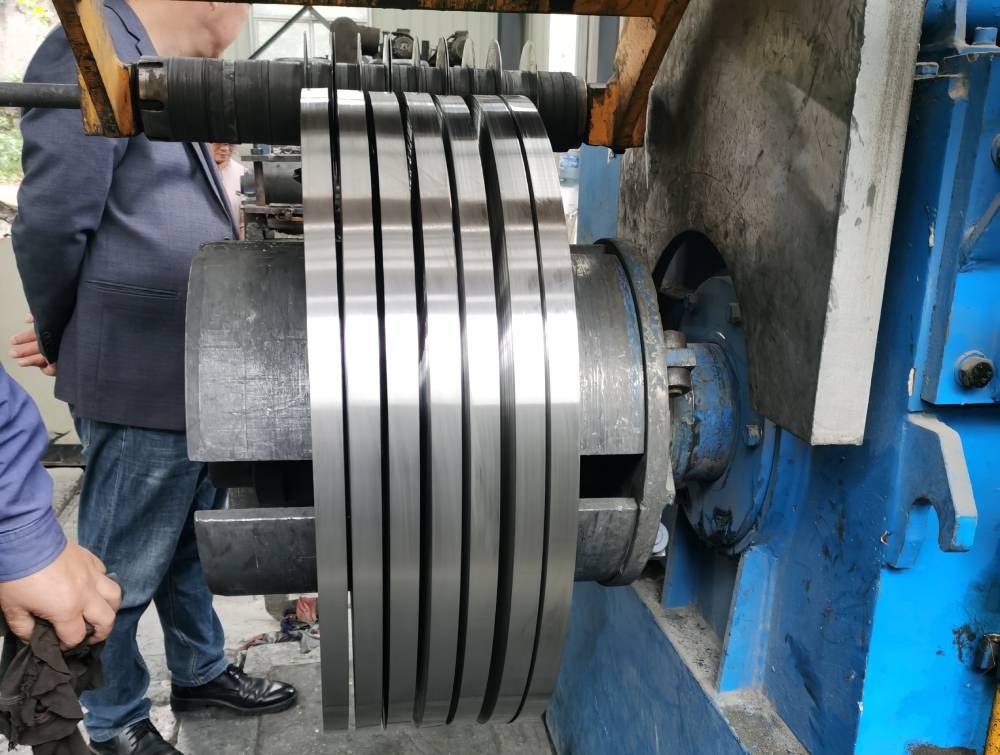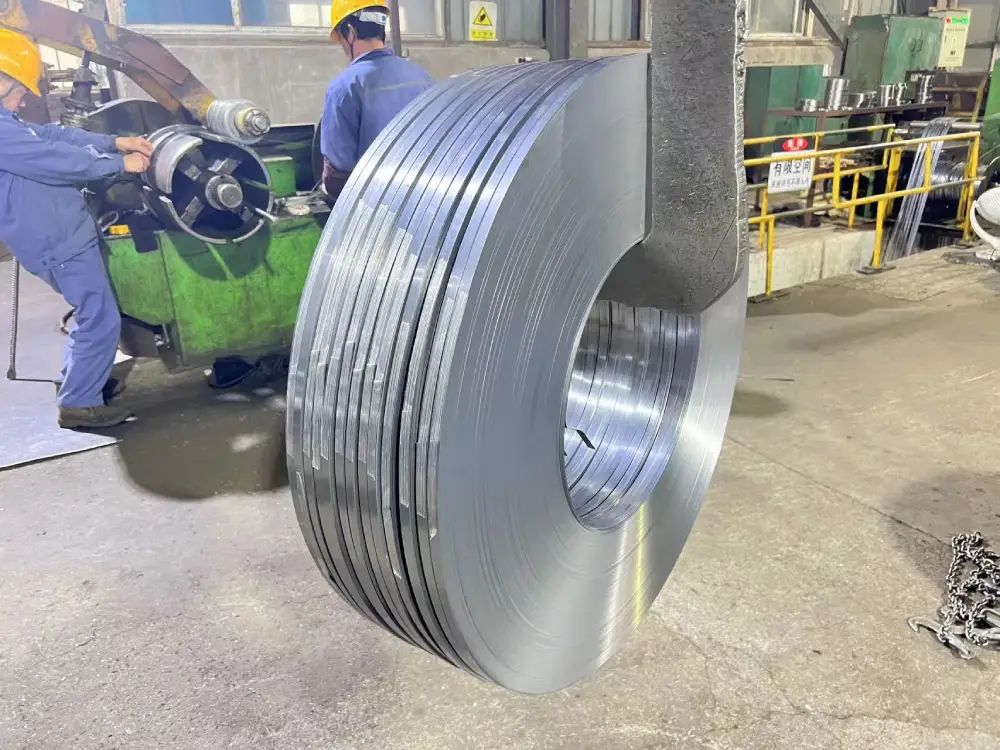
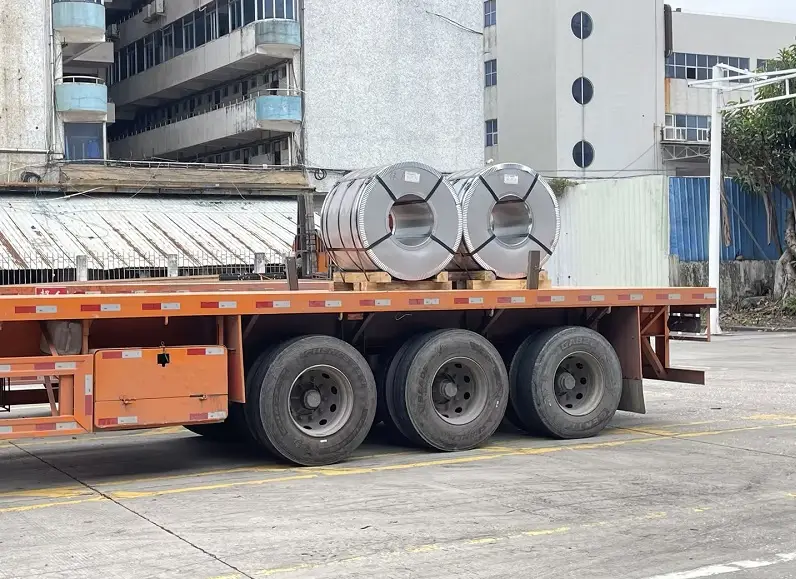
Steel coils are a critical component in various industries, from automotive manufacturing to construction. These massive rolls of steel are commonly transported across vast distances, either by sea, rail, or road. One notable feature of steel coil transportation is that they are typically transported upright—a practice that may seem surprising, given their size and weight. But why is this method preferred? In this blog, we explore the reasons behind this transportation technique, examining the safety, stability, and economic benefits of transporting steel coils upright.
1. Preventing Damage and Deformation
One of the primary reasons steel coils are transported upright is to prevent damage during transit. Steel coils are heavy and can easily become deformed if mishandled. Transporting them upright allows the weight of the coil to be distributed evenly across its base, minimizing the risk of deformation, dents, or scratches. When placed horizontally, the weight could create pressure points, causing the coil to flatten or lose its round shape, which could compromise the steel’s structural integrity.
By maintaining their shape, upright transportation ensures the coils arrive in pristine condition, ready for immediate use in industrial processes.
2. Enhanced Stability During Transit
Transporting steel coils upright improves the overall stability of the cargo. When placed upright, the center of gravity is lower, making the coils less likely to shift during transit. This stability is particularly important in sea freight or long-haul trucking, where constant movement, such as swaying, braking, or cornering, can cause unsecured or unstable cargo to shift, leading to accidents or damage.
Upright coils, especially when secured with chocks and chains, remain firmly in place throughout the journey, minimizing the risk of tipping or sliding, ensuring both the safety of the cargo and the crew.
3. Optimizing Space for Maximum Efficiency
Space optimization is another key reason steel coils are transported upright. Given their cylindrical shape, upright positioning allows for more efficient use of available space within shipping containers, trucks, or railcars. This is particularly important for large-scale shipments, where maximizing load efficiency can reduce transportation costs.
By positioning the coils upright, carriers can fit more units into a single shipment, reducing the number of trips required and lowering overall transportation costs. This method also reduces the need for excessive padding or additional bracing, streamlining the loading and unloading process.
4. Reducing Risk to Workers and Equipment
Safety is a top priority in any industrial operation, and transporting steel coils upright is a way to reduce the risk of accidents during loading, unloading, and transport. Upright coils are easier to secure and handle, lowering the risk of tipping over or rolling during the process.
Moreover, forklifts and cranes designed for lifting and moving steel coils are better equipped to handle them in the upright position. This reduces the likelihood of accidents, minimizes damage to handling equipment, and improves the overall efficiency of logistics operations.
5. Meeting Industry Standards and Regulations
In many regions, industry standards and regulations mandate the upright transportation of steel coils. These rules are in place to ensure safety, both for the cargo and for those handling and transporting it. Compliance with these regulations is essential for avoiding penalties, insurance claims, and delays.
By adhering to these guidelines, companies can ensure that their steel coils are transported in the safest, most efficient way possible, while also minimizing the risk of damage or loss during transit.
Conclusion: Upright Transportation Is the Key to Safe and Efficient Steel Coil Logistics
Transporting steel coils upright is a well-established practice, driven by the need for safety, stability, and efficiency. This method prevents damage to the coils, enhances stability during transit, optimizes space, and meets industry safety standards. By keeping steel coils upright, manufacturers, distributors, and logistics companies can ensure the safe arrival of their cargo, reduce operational costs, and maintain the quality of the product.
For companies involved in the transportation of steel products, understanding and adhering to these practices is essential for success in a highly competitive industry.