When it comes to choosing the right type of steel for manufacturing or fabrication, the debate between cold-rolled steel (CR) et hot-rolled steel (HR) often takes center stage. Both materials have unique characteristics that make them suitable for different industrial applications. Understanding the key differences can help you make the right choice for your project.
1. What Is Hot-Rolled Steel (HR)?
Hot-rolled steel is produced by rolling steel slabs at extremely high temperatures—typically over 900°C (1650°F)—above the steel’s recrystallization point.
At these temperatures, the steel becomes easier to shape and form, making it ideal for large structural components.
Main Features of Hot-Rolled Steel:
- Rough, scaled surface finish
- More dimensional tolerance (less precision)
- Lower production cost
- Excellent for heavy-duty applications
Common Uses:
- Construction beams and columns
- Railway tracks
- Automotive frames
- Agricultural equipment
2. What Is Cold-Rolled Steel (CR)?
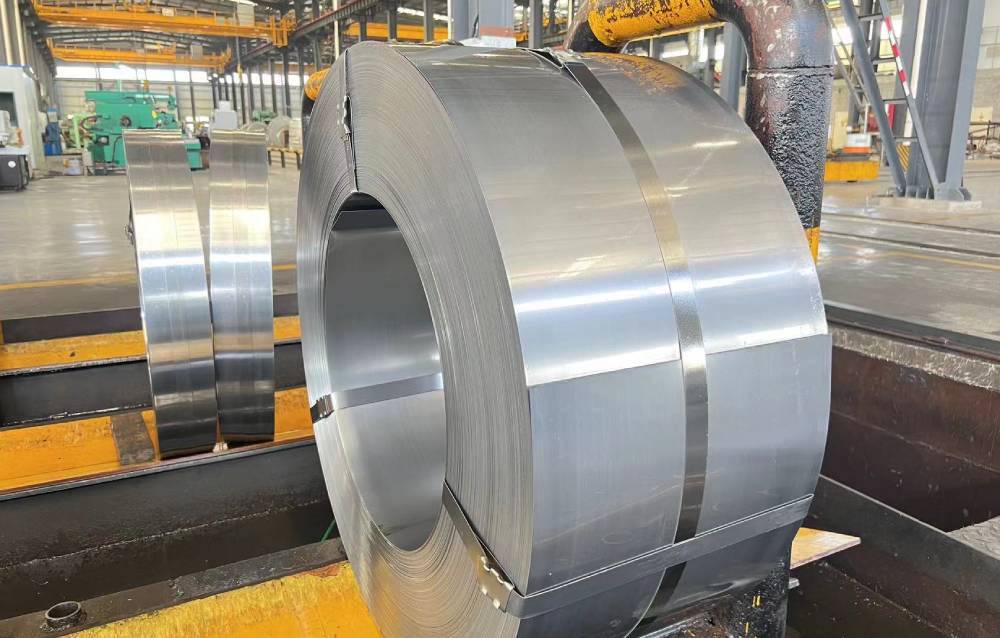
Cold-rolled steel starts as hot-rolled steel, which is then further processed at room temperature through cold reduction mills. This process improves its surface finish, dimensional accuracy, and mechanical properties such as strength and hardness.
Main Features of Cold-Rolled Steel:
- Smooth, bright surface finish
- Higher strength and hardness
- Tight dimensional tolerances
- Better formability for precision parts
Common Uses:
- Automotive panels
- Home appliances
- Electrical components
- Steel strips and coils for tools or springs
3. Key Differences Between CR and HR Steel
| Propriété | Cold-Rolled Steel (CR) | Hot-Rolled Steel (HR) |
|---|---|---|
| Surface Finish | Smooth, glossy | Rough, scaled |
| Dimensional Accuracy | High | Moderate |
| Strength | Higher (due to strain hardening) | Lower |
| Cost | More expensive | More economical |
| Applications | Precision components | Structural components |
4. Which Is Better for Your Application?
There’s no universal answer—the choice depends on your project needs.
- Choose Hot-Rolled Steel (HR) if you need:
- Cost-effective material for large structures
- Good weldability and machinability
- Tolerance for surface imperfections
- Choose Cold-Rolled Steel (CR) if you need:
- Superior surface quality and finish
- Precise dimensions
- Higher strength and hardness
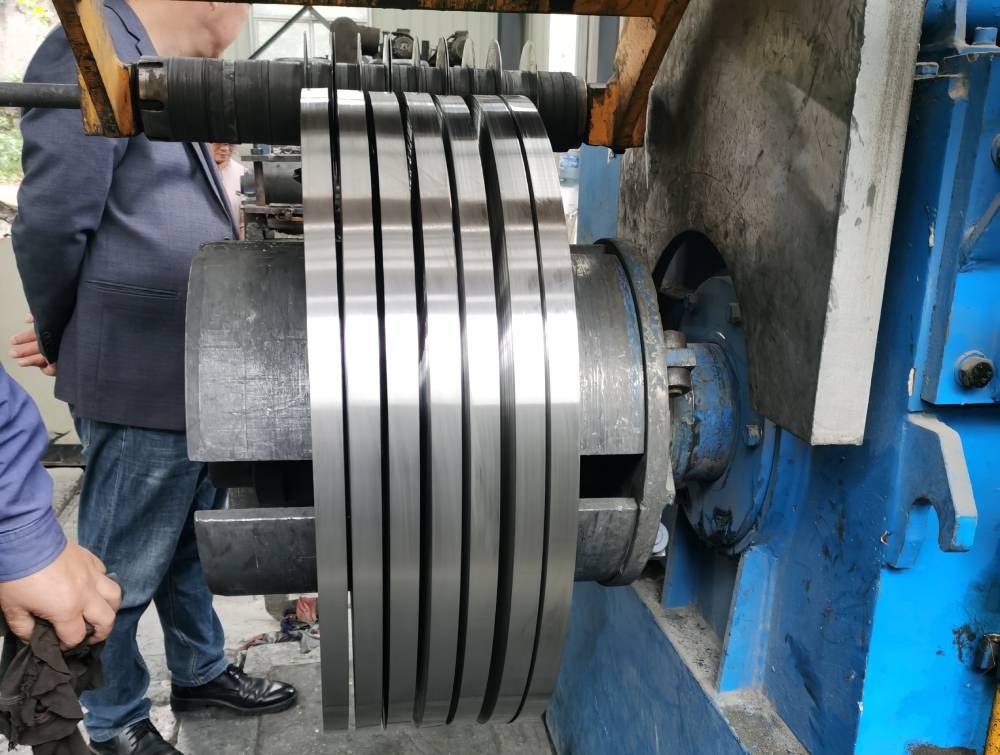
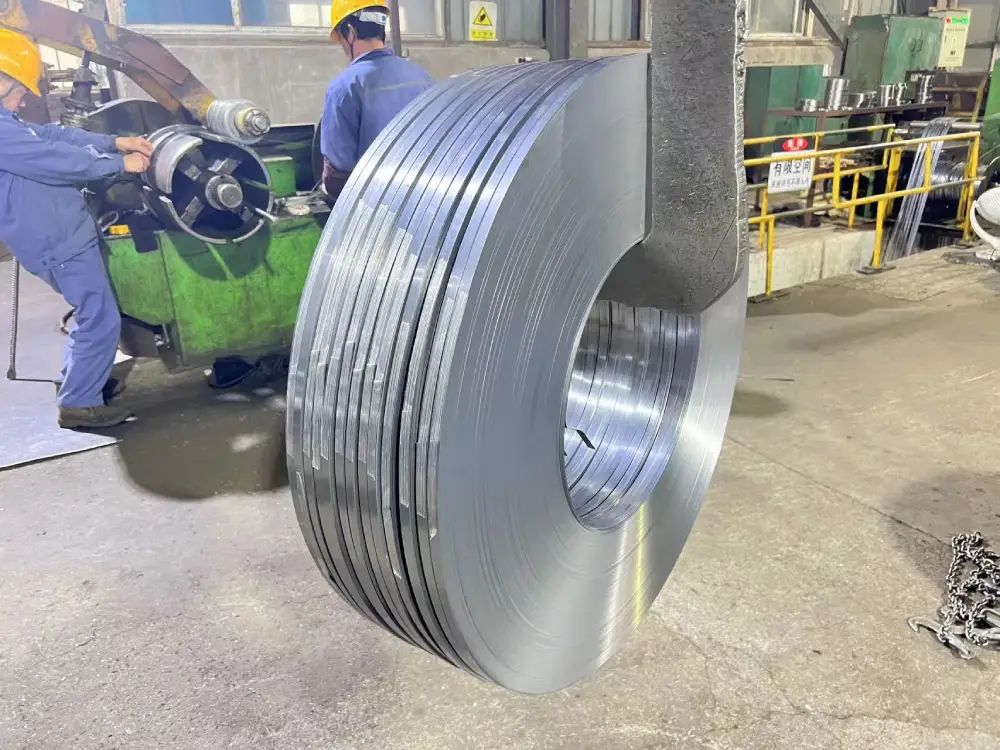
For example, Jiaxiao MTC specializes in producing cold-rolled and annealed steel strips with tight thickness tolerances and excellent mechanical properties—ideal for industries like spring manufacturing, blade making, and automotive components.
5. Conclusion
Both cold-rolled steel et hot-rolled steel serve important roles in modern manufacturing.
If your focus is precision, aesthetics, and strength, cold-rolled steel is the better option.
However, if cost and large-scale forming are your priorities, hot-rolled steel offers the best value.
At Jiaxiao MTC, we provide high-quality cold-rolled and heat-treated steel strips customized for your application.
Contact us today to find the right steel solution for your business.