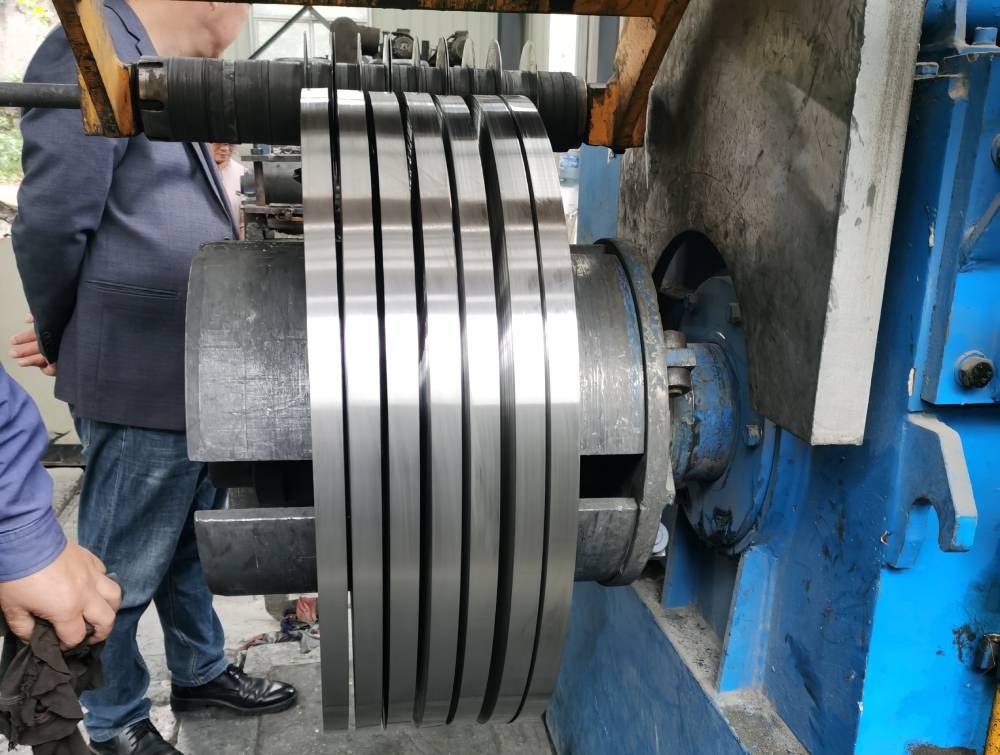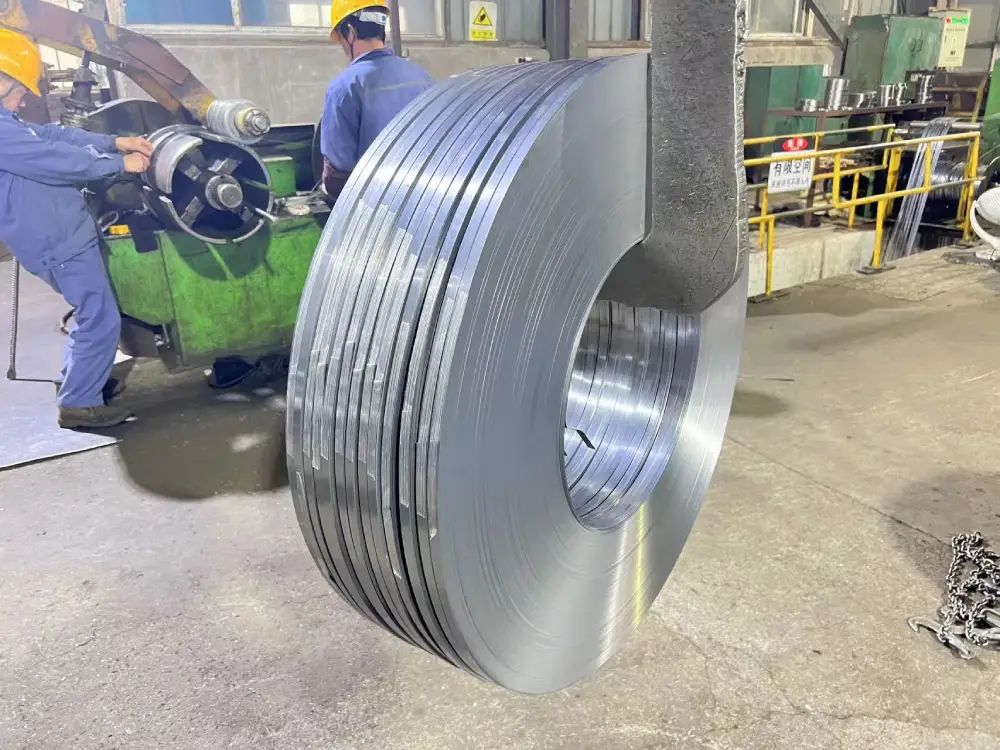
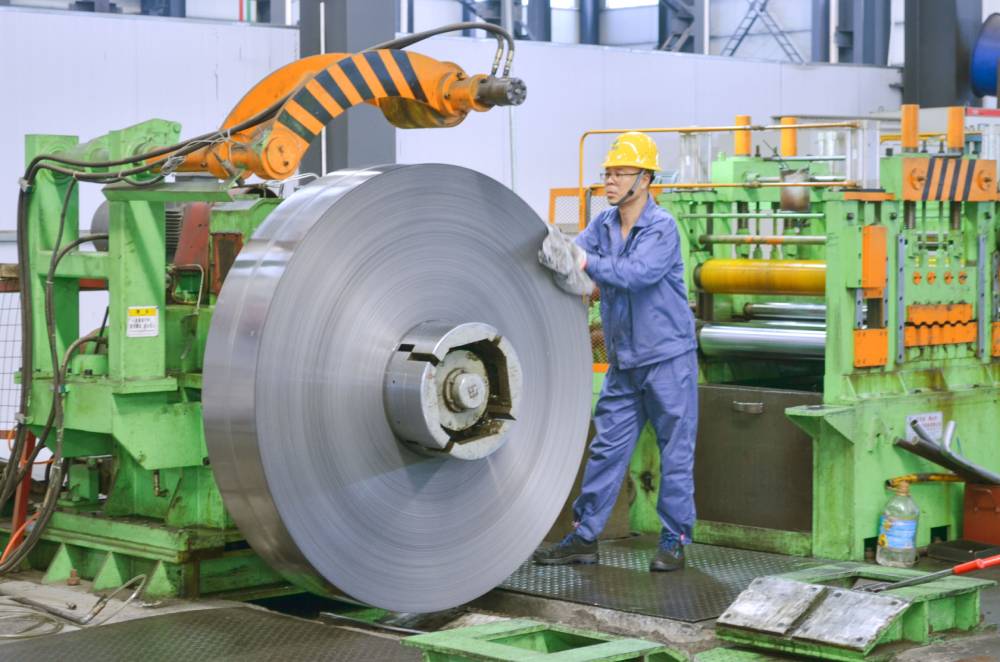
Steel strips—also known as steel bands or steel tapes—play an essential role in modern manufacturing. Their combination of high strength, độ bền, elasticity, and precise thickness makes them indispensable across multiple industries. Tuy nhiên, certain sectors rely on steel strips far more heavily than others. Trong bài viết này, we break down the industries with the highest and most urgent demand for steel strip materials.
1. Automotive and Transportation Manufacturing
The automotive industry is one of the largest consumers of high-strength steel strips. These materials are required for:
- Seat belt springs
- Clutch plates
- Brake components
- Hose clamps
- Shaft parts
- Precision shims and washers
High-carbon and alloy steel strips like C75s, 50CRV4, SK5, and 65Mn are widely used due to their exceptional fatigue resistance and formability. As electric vehicles (EVs) expand globally, demand continues to rise for precision steel strips used in battery components, connectors, and energy-absorption mechanisms.
2. Blades, Knives, and Cutting Tools Industry
Producers of industrial blades rely heavily on hardened and tempered steel strips. These include:
- Bandsaw blades
- Hacksaw and handsaw blades
- Food-processing blades
- Packaging machine blades
- Textile cutting knives
Độ cứng, edge retention, and wear resistance are critical. Grades such as SK5, 1095, C67, C75s and martensitic stainless steels like 420 Và 430 are common choices.
This industry is extremely steel-strip-intensive because blades require consistent thickness, độ cứng đồng đều, and excellent cutting stability.
3. Spring and Hardware Industry
Springs are everywhere—from simple household items to advanced machinery. The spring industry demands steel strips for:
- Leaf springs
- Constant force springs
- Watch springs
- Hose clamps
- Lock parts
- Measuring tapes
- Small hardware components
Elasticity and long-term fatigue performance are key. Common materials include 65Mn, C67, C75s, 51CRV4, 301 stainless steel, and similar grades.
This remains one of the most stable and predictable demand sectors globally.
4. Sự thi công, Công cụ, and Industrial Machinery
Steel strips are widely used for both hand tools and heavy-duty industrial applications, such as:
- Masonry tools
- Trowels
- Scrapers
- Saw blades
- Fasteners
- Mechanical parts requiring wear resistance
Heat-treated steel strips offer toughness and durability, which are essential for construction sites and industrial equipment.
5. Bao bì & Strapping Industry
Steel strapping (steel bands) is indispensable for securing:
- Heavy cargo
- Timber bundles
- Steel coils
- Machinery
- Containers for export
High-tensile steel strips guarantee safety and stability during transport and storage. With global logistics and e-commerce expanding rapidly, this industry consistently remains a top consumer of steel strip coils.
6. Electronics and Electrical Components
Precision stainless steel strips are used in:
- Battery components
- Electrical connectors
- EMI shielding parts
- Precision shims
- Micro-spring components
- Electronic housings
Grades like 301, 304, 316L, Và 420 stainless steel provide corrosion resistance, sức mạnh, và độ chính xác kích thước.
As IoT, EVs, and smart devices continue to grow, this industry becomes increasingly steel-strip-reliant.
7. Appliance and Household Goods Industry
Many home appliances incorporate steel strips, bao gồm:
- Rice cookers and kitchen appliances (outer shells made from Zn-Al-coated steel / dải thép không gỉ)
- Air conditioners
- Máy giặt
- Fans
- Door components
- Home electronics casings
Stainless steel and coated steel strips offer corrosion resistance, surface aesthetics, and easy forming.
Phần kết luận
Steel strips are in high demand across numerous industries, but the sectors with the most critical and consistent need include:
- Automotive manufacturing
- Blades and industrial cutting tools
- Spring and hardware production
- Construction tools and machinery
- Packaging and strapping
- Electronics and electrical components
- Household appliance production
As global manufacturing advances and lightweight, high-strength materials become more essential, the demand for specialized steel strips—both annealed and hardened/tempered—continues to rise.