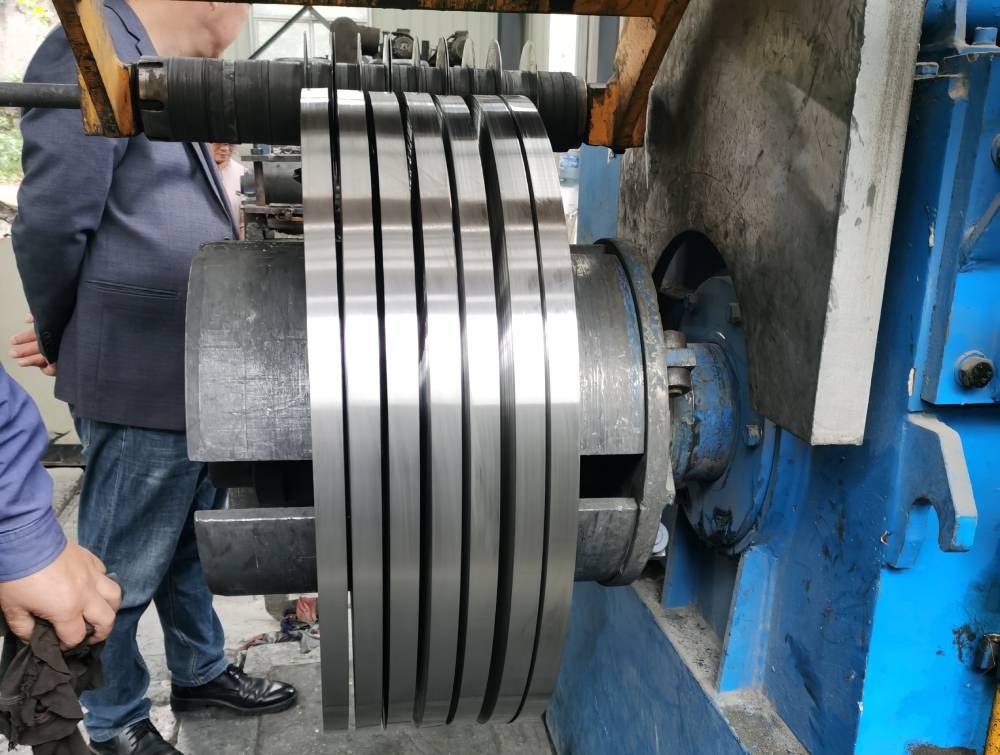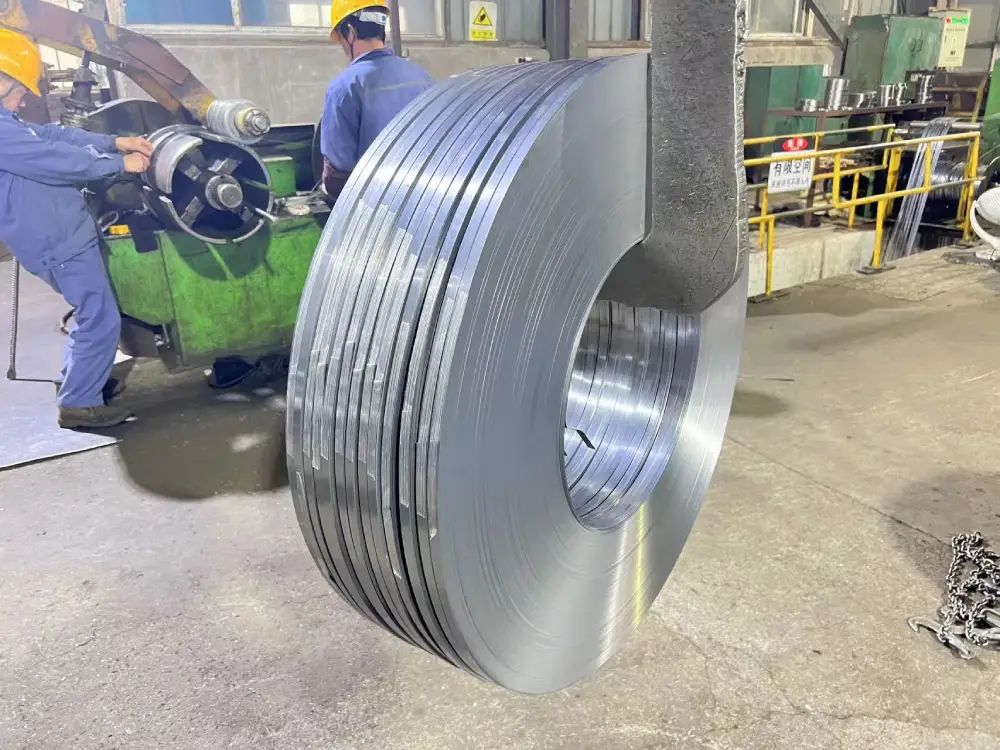

А группа видел is a common cutting tool used for slicing through wood, металл, и различные другие материалы. The key component of a группа видел – его лезвие – имеет свою производительность, точность, и долговечность напрямую зависят от выбора используемой стали.. Ленточные пилы typically fall into two categories: ленточные пилы по дереву and metal-cutting band saw blades, each with distinct steel compositions.
Woodworking Band Saw Blades Steel:
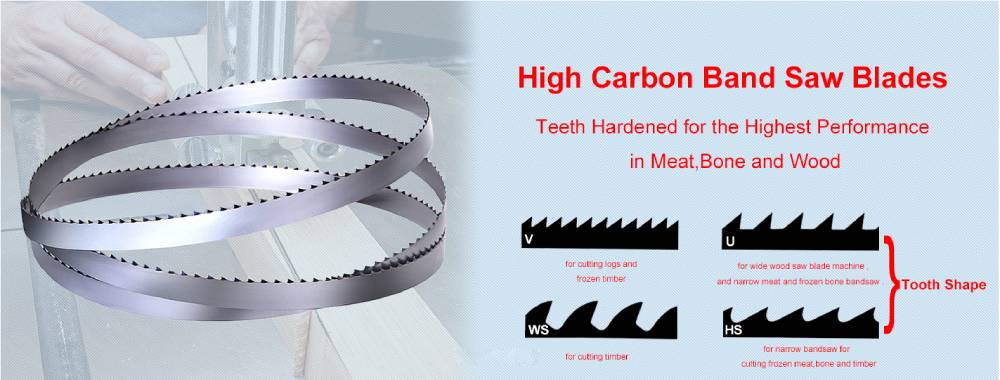
Carbon Steel/Low Alloy Steel: Например, 65Мин., a medium-carbon manganese steel, is commonly employed in the fabrication of the back or body of ленточные пилы по дереву due to its relatively low cost, moderate toughness, и износостойкость.
Быстрорежущая сталь: SK5 is an example that is used in the manufacture of tooth sections. High-speed steel contains a significant amount of elements like tungsten, молибден, хром, и ванадий, which after heat treatment yield high hardness and red hardness. This allows the teeth to maintain excellent cutting properties even at high speeds and reduces wear during operation.
Metal-Cutting Band Saw Blade Steels:
Bi-Metal Band Saws: These blades consist of a high-strength, high-toughness steel substrate combined with a high-performance high-speed steel (такой как М42 или M51) for the tooth portion. M42 high-speed steel, with its high cobalt content, enhances hardness and wear resistance at elevated temperatures, making it particularly suitable for cutting metallic materials like stainless steel and cast iron.
Hardmetal Tipped Band Saws: In special applications requiring extreme hardness and wear resistance, hardmetal inserts containing elements such as titanium and tantalum are brazed onto the tooth tips of the saw blades to further enhance blade life and cutting efficiency.
Each type of steel undergoes specific heat treatment processes when manufacturing band saw blades to ensure balanced overall performance. This balance ensures adequate hardness for effective cutting while maintaining a degree of flexibility to prevent breakage. Более того, factors like tooth geometry, arrangement, and blade thickness also play a critical role in determining the blade’s performance characteristics.