When choosing between stainless steel and cold rolled steel, many engineers, manufacturers, and buyers ask the same question:
? “Which one is stronger?”
Both materials are widely used in industrial and commercial applications — but they differ in composition, processing, and mechanical performance.
Let’s explore how these two steels compare in terms of strength, durability, and use.
1. Understanding the Basics
What Is Stainless Steel?
Stainless steel is an iron-based alloy containing at least 10.5% chromium, often combined with elements like nickel or molybdenum.
This composition forms a protective chromium oxide layer, giving stainless steel its famous corrosion resistance and long lifespan.
Common grades include 301, 304, 316, and 420, each designed for specific performance needs.
What Is Cold Rolled Steel?
Cold rolled steel is not a specific alloy but a type of processing.
It’s made by rolling hot-rolled steel at room temperature, which increases its strength, surface quality, and dimensional accuracy.
Cold rolling can be applied to carbon steel, alloy steel, or even stainless steel to improve hardness and tensile strength.
2. Comparing Strength: Stainless vs Cold Rolled
| Property | Stainless Steel | Cold Rolled Steel |
|---|---|---|
| Material Type | Alloy (with chromium) | Processed (via cold rolling) |
| Tensile Strength | 520–750 MPa (depending on grade) | 350–900 MPa (depending on base metal) |
| Surface Finish | Naturally smooth & corrosion-resistant | Very smooth, precise dimensions |
| Corrosion Resistance | Excellent | Moderate (unless coated) |
| Hardness | Moderate to high | High (due to work hardening) |
| Cost | Higher | More affordable |
? In short:
- If we compare unprocessed stainless steel vs cold-rolled carbon steel, cold-rolled steel is typically stronger due to work hardening.
- But high-grade stainless steels (like 420 or 301) can match or even exceed the strength of cold-rolled steels — with the added benefit of corrosion resistance.
3. Mechanical Strength in Detail
- Cold Rolled Steel Strength:
Cold working increases tensile and yield strength through strain hardening. Some cold-rolled grades, such as C75S, SK5, and 65Mn, can exceed 900 MPa in tensile strength, making them ideal for springs, saw blades, and precision parts. - Stainless Steel Strength:
Austenitic stainless steels (like 304) have moderate strength but excellent ductility.
Martensitic stainless steels (like 420) can be heat-treated to reach very high hardness — suitable for cutting tools and knives.
Thus, strength depends on grade and treatment, not just the label “stainless” or “cold rolled.”
4. Applications: Choosing the Right Material
| Application | Recommended Material | Reason |
|---|---|---|
| Springs, blades, tools | Cold rolled high carbon steel (e.g. SK5, 65Mn) | High strength and wear resistance |
| Kitchenware, food processing | Stainless steel (304, 316) | Corrosion resistance and hygiene |
| Automotive and hardware parts | Cold rolled alloy steel | Strength and surface precision |
| Medical or marine equipment | Stainless steel (316, 420) | Excellent corrosion resistance |
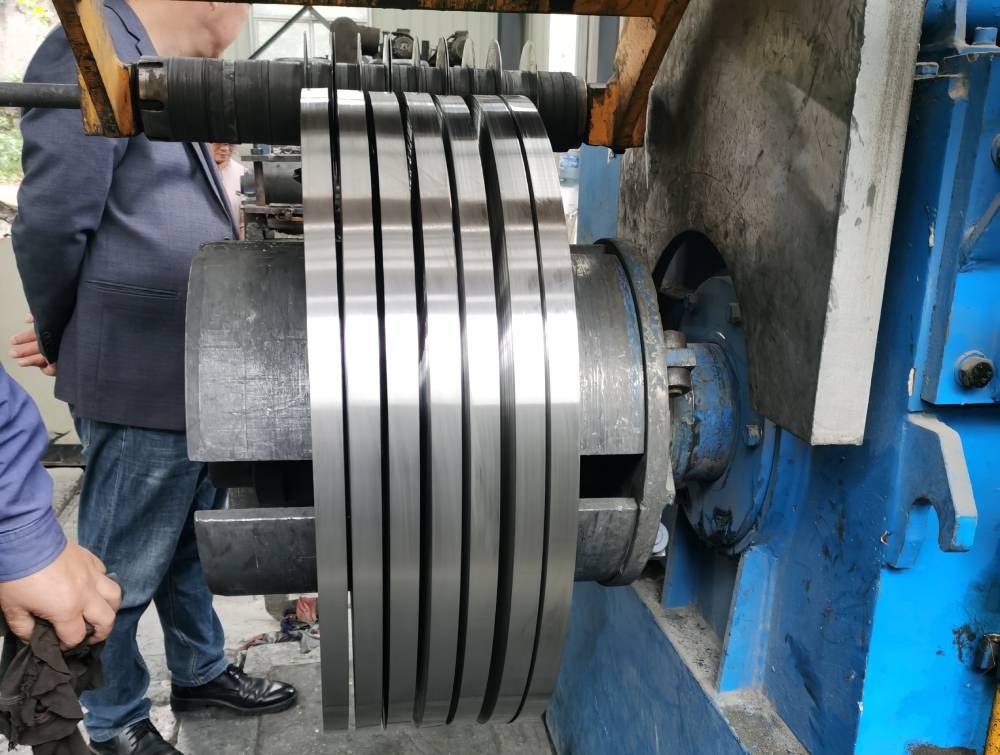
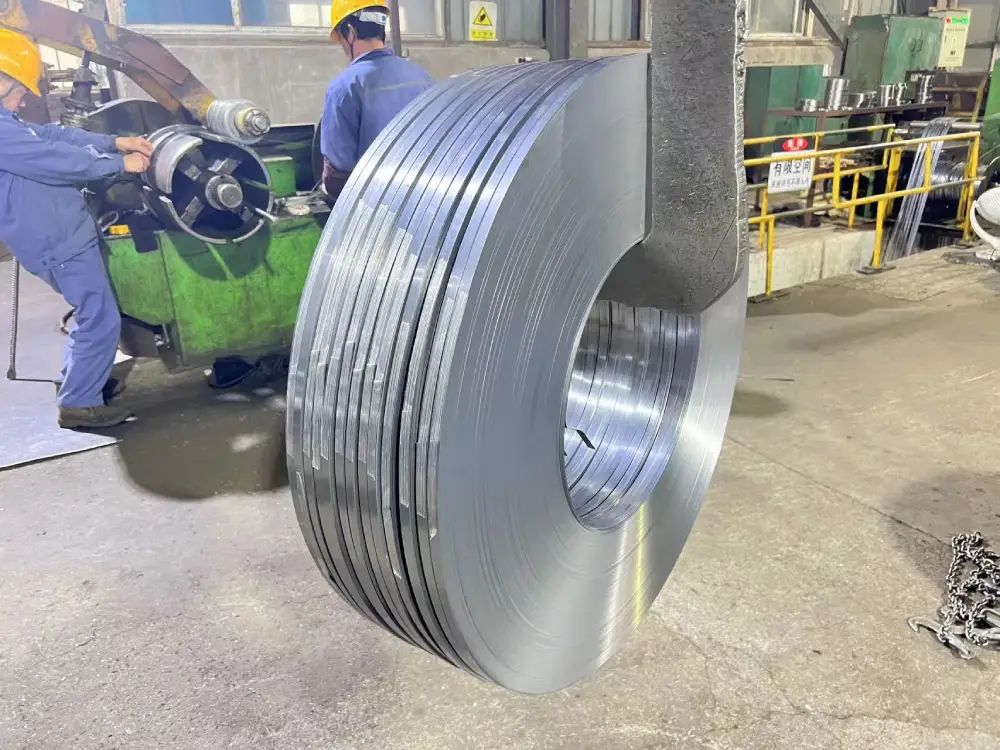
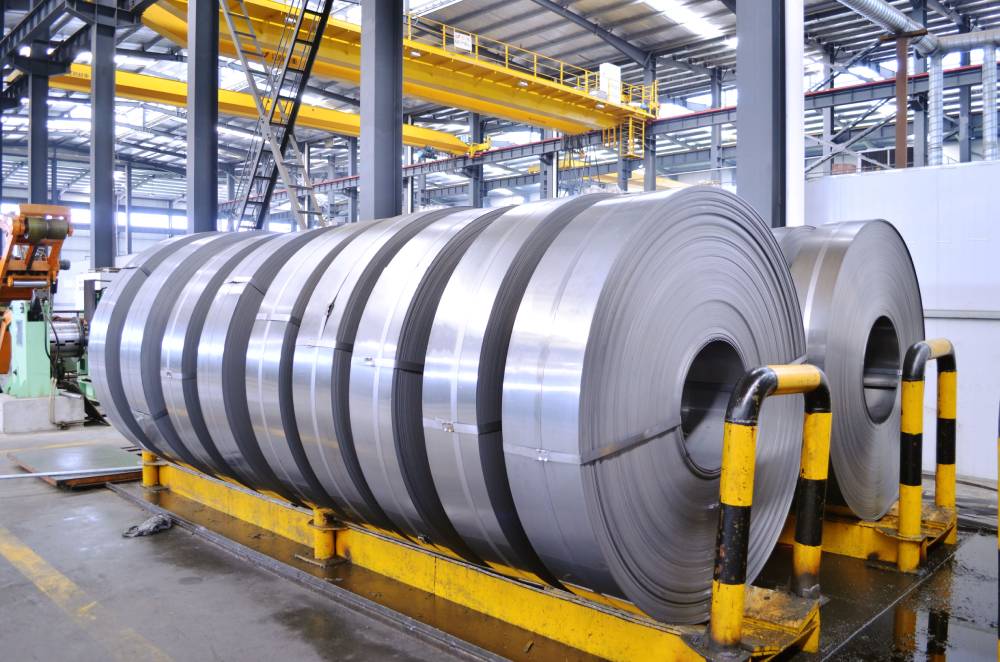
At Jiaxiao MTC, we produce both cold-rolled carbon steel strips and stainless steel strips with controlled mechanical properties.
Our products are used in blades, springs, automotive components, and industrial tools, ensuring both strength and durability.
5. Conclusion
So, what is stronger — stainless steel or cold rolled steel?
? It depends on what you compare.
- Cold rolled steel is generally stronger than hot-rolled steel due to work hardening.
- Stainless steel, especially martensitic grades like 420, can match or exceed cold-rolled carbon steel in strength — while offering superior corrosion resistance.
If you need high-strength steel with excellent precision and hardness, choose cold-rolled carbon or alloy steel strips.
If your priority is corrosion resistance and longevity, stainless steel is the better option.
For tailored solutions in cold-rolled and stainless steel strips, Jiaxiao MTC provides reliable quality and professional service for global manufacturers.