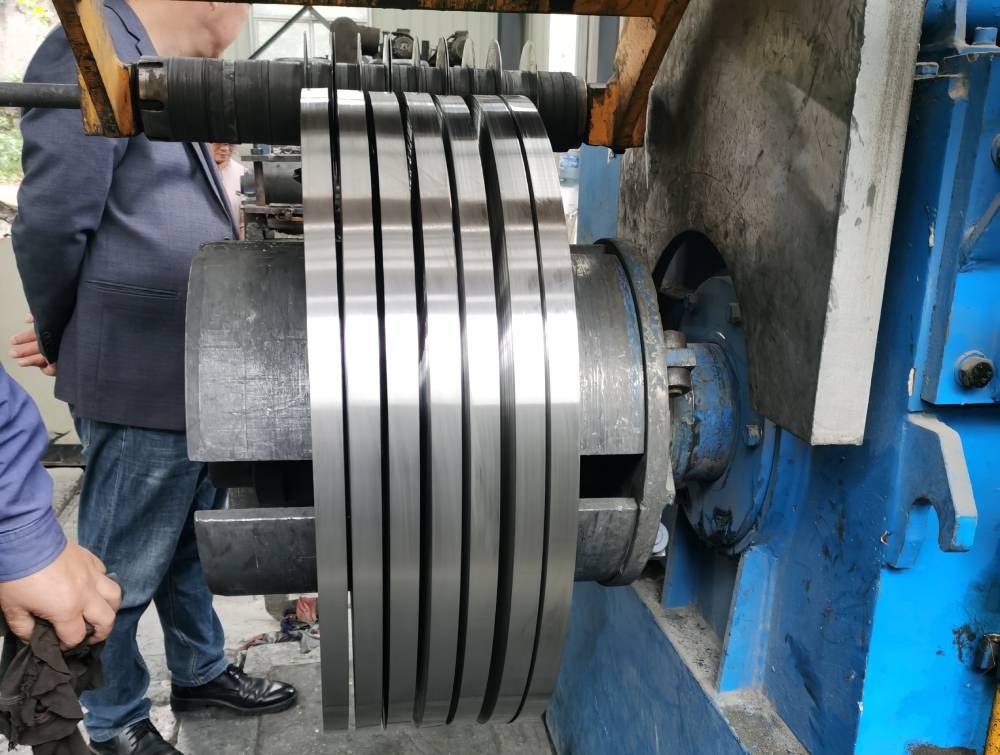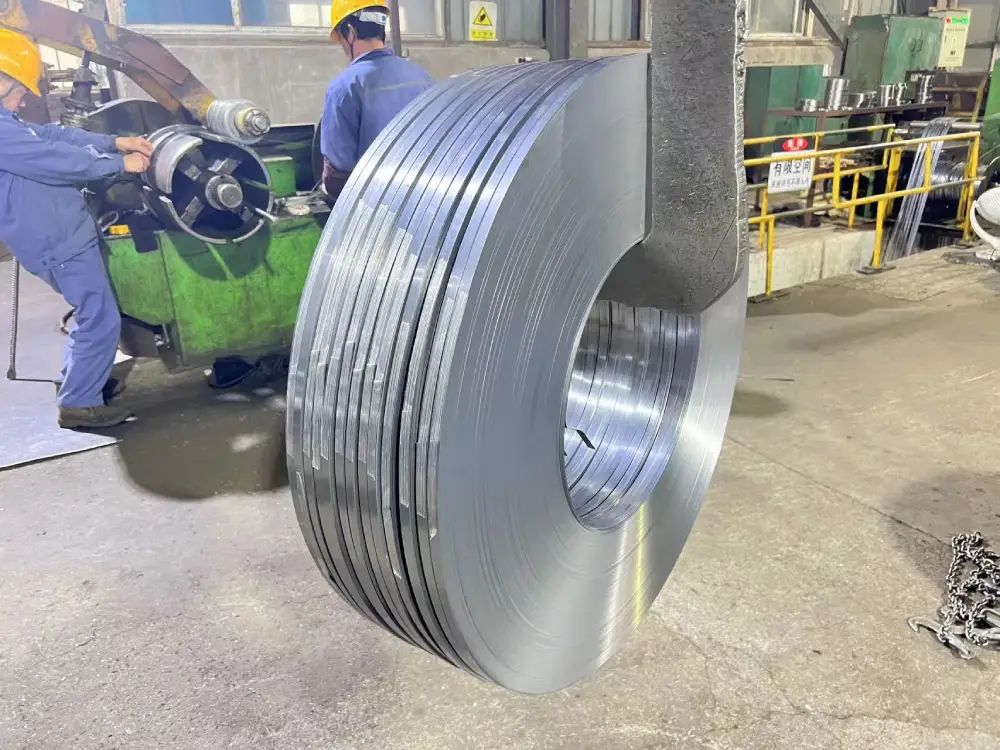

Steel coil is a fundamental material in various industries, known for its strength, durability, and versatility. It is produced through hot rolling or cold rolling processes and is available in different grades, including high-carbon steel, acier allié, and stainless steel. But what exactly is steel coil used for? In this blog, we will explore the key applications of steel coil across different sectors.
1. Industrie automobile
The automotive sector relies heavily on steel coils for manufacturing vehicle components. These coils are used to produce body panels, structural parts, chassis, and other essential components due to their strength, impact resistance, and cost-effectiveness. Cold-rolled steel coils, in particular, provide excellent surface finish and formability, making them ideal for car manufacturing.
2. Construction and Infrastructure
Steel coils play a vital role in the construction industry. They are used in the production of:
- Roofing sheets
- Wall panels
- Beams and structural reinforcements
- Bridges and tunnels
Their high strength and durability ensure the stability of buildings and infrastructure, making them indispensable for modern construction projects.
3. Manufacturing of Household Appliances
Many household appliances are made using steel coils, particularly cold-rolled and galvanized steel. Some common examples include:
- Refrigerators
- Washing machines
- Ovens and microwaves
- Dishwashers
Steel coil provides the necessary durability and corrosion resistance for these appliances, ensuring a longer lifespan and aesthetic appeal.
4. Metal Fabrication and Engineering
Steel coil is widely used in metal fabrication, where it is processed into sheets, strips, or customized shapes for different engineering applications. Industries such as machinery manufacturing, tools and equipment production, and industrial machinery depend on steel coils to produce precision-engineered components.
5. Production of Pipes and Tubes
Steel coil is commonly used to manufacture pipes and tubes for multiple applications, y compris:
- Water supply and drainage systems
- Oil and gas pipelines
- Structural tubing for buildings and machinery
The flexibility of steel coil allows it to be shaped into various forms, making it an essential material for fluid transportation and structural purposes.
6. Packaging Industry
Steel coils are also used in packaging, particularly in the food and beverage industry. Tinplate steel, derived from steel coils, is used for manufacturing cans and containers that store food, beverages, and other perishable goods. This type of packaging provides excellent protection against contamination and extends the shelf life of products.
7. Secteur de l'énergie
The energy sector, including renewable and non-renewable sources, relies on steel coils for the production of components such as:
- Wind turbine frames
- Solar panel mounting structures
- Power plant equipment
Their ability to withstand extreme conditions makes steel coils a preferred material for energy-related infrastructure.
Conclusion
Steel coil is a versatile and essential material across numerous industries, from automotive and construction to packaging and energy. Its adaptability, strength, and durability make it a critical component in modern manufacturing and infrastructure development.
If you are looking for high-quality steel coils for your business, JiaxiaoMTC offers premium-grade cold-rolled, high-carbon, et alloy steel coils tailored to your needs. Contact us today to learn more!