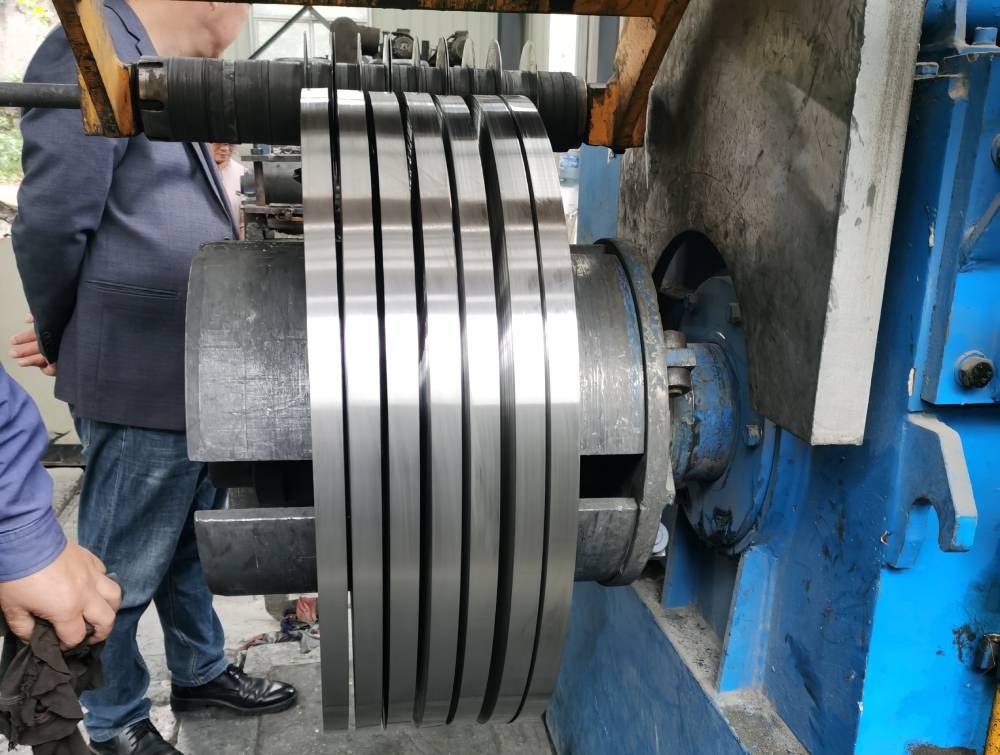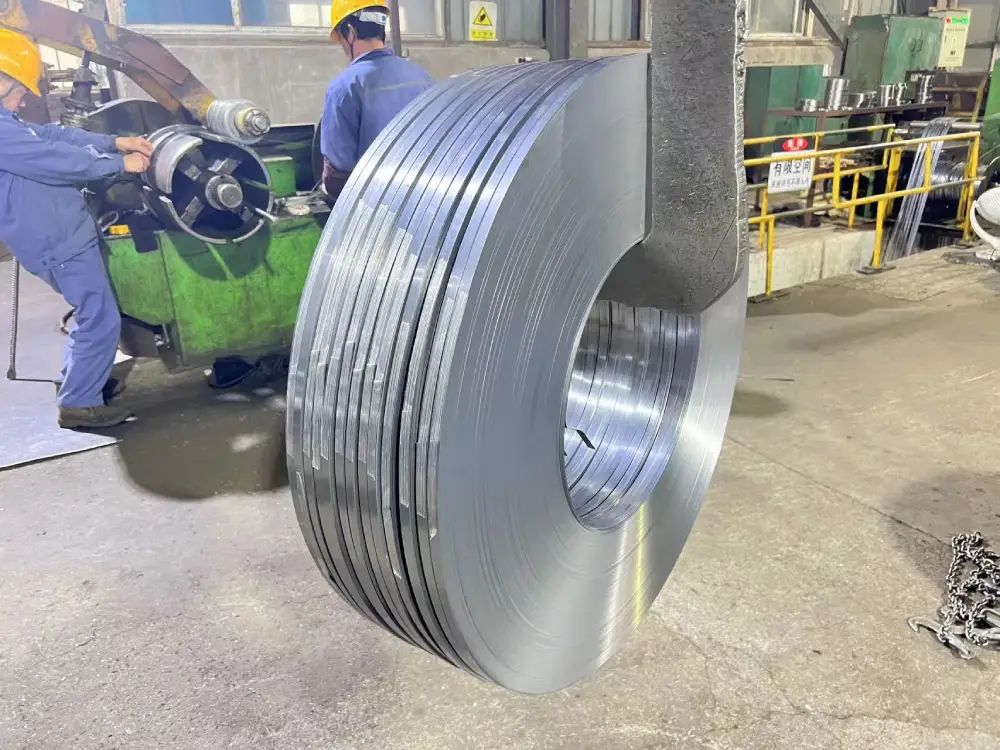
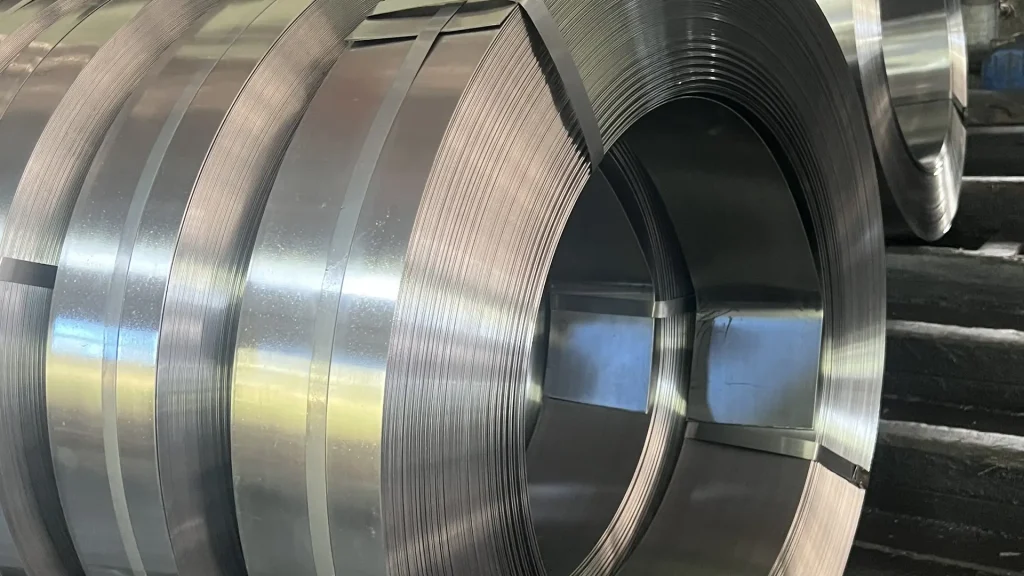
High-strength low-alloy (HSLA) steels are a group of steels that provide better mechanical properties and greater resistance to corrosion than carbon steel. HSLA steels typically have lower carbon content but are alloyed with elements such as chromium, vanadium, titanium, molybdenum, and niobium to increase their strength without increasing weight.
Here are some common types of HSLA steels:
1. ASTM A572
- Characteristics: This is one of the most common HSLA steels, often used in construction for structural steel applications.
- Applications: Bridges, buildings, composants structurels.
- Key Alloying Elements: Vanadium, columbium (niobium), copper.
2. ASTM A588 (Corten Steel)
- Characteristics: Known for its weathering properties, A588 steel forms a stable rust-like appearance after exposure to weather, which reduces the need for painting.
- Applications: Bridges, exposed steel structures, where corrosion resistance is crucial.
- Key Alloying Elements: Copper, chromium, nickel.
3. ASTM A656
- Characteristics: Provides high strength and good formability.
- Applications: Structural applications, pressure vessels, pièces automobiles.
- Key Alloying Elements: Manganèse, vanadium, columbium, titanium.
4. ASTM A715
- Characteristics: Enhanced formability and weldability, making it suitable for cold-formed products.
- Applications: Cold-rolled applications such as automotive and industrial products.
- Key Alloying Elements: Silicon, vanadium, manganese.
5. ASTM A709
- Characteristics: High strength with good toughness, designed for structural steel in bridges.
- Applications: Bridge construction and other infrastructure projects.
- Key Alloying Elements: Chromium, nickel, copper, vanadium.
6. ASTM A992
- Characteristics: Primarily used for wide-flange beams, it has high strength and excellent weldability.
- Applications: Construction of buildings and bridges.
- Key Alloying Elements: Columbium (niobium), vanadium.
7. EN 10149-2 (S355MC, S420MC, S460MC)
- Characteristics: European standard HSLA steel known for high strength and good weldability.
- Applications: Structural and automotive applications, such as frames and chassis.
- Key Alloying Elements: Manganèse, niobium, vanadium.
8. API 5L X Grades (X42, X52, X60, X70)
- Characteristics: HSLA steel used in the production of line pipes for transporting gas, oil, and water.
- Applications: Oil and gas pipelines.
- Key Alloying Elements: Manganèse, vanadium, niobium.
9. SAE 950X Series
- Characteristics: These steels are commonly used in automotive applications, offering both strength and toughness.
- Applications: Automotive frames, composants structurels.
- Key Alloying Elements: Silicon, manganese, vanadium.
10. ASTM A1101
- Characteristics: Known for excellent formability and strength, often used in cold-rolled or galvanized products.
- Applications: Automotive, industrial applications.
- Key Alloying Elements: Niobium, vanadium.
Each of these HSLA steels is designed to meet specific mechanical properties, and their alloying elements provide benefits like enhanced strength, weldability, and corrosion resistance while reducing the overall weight.