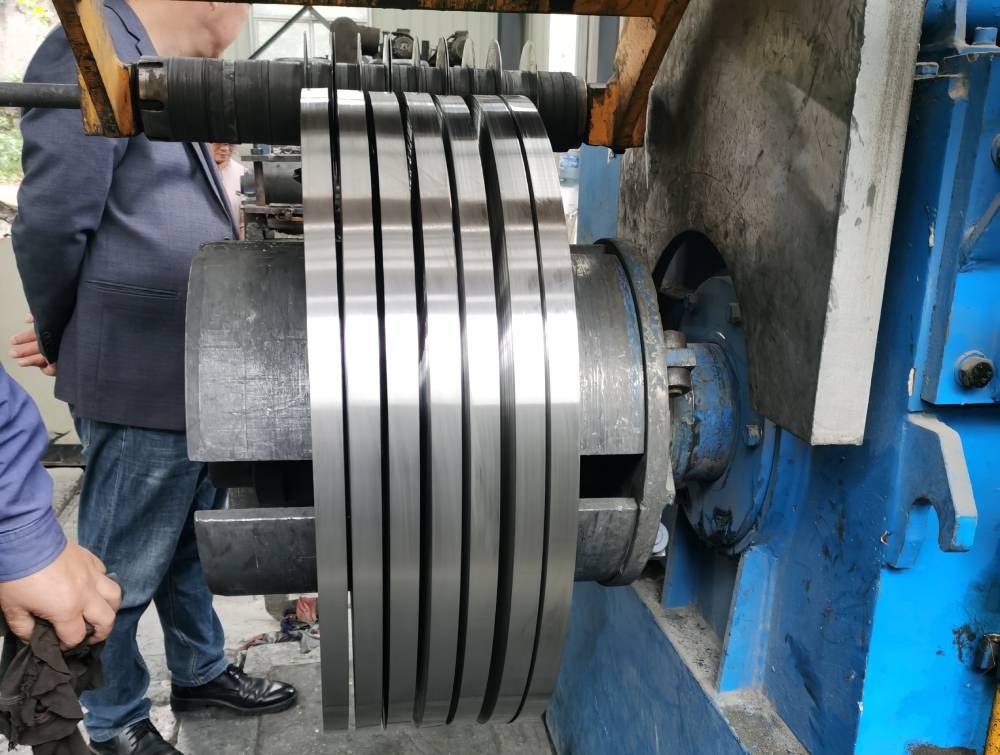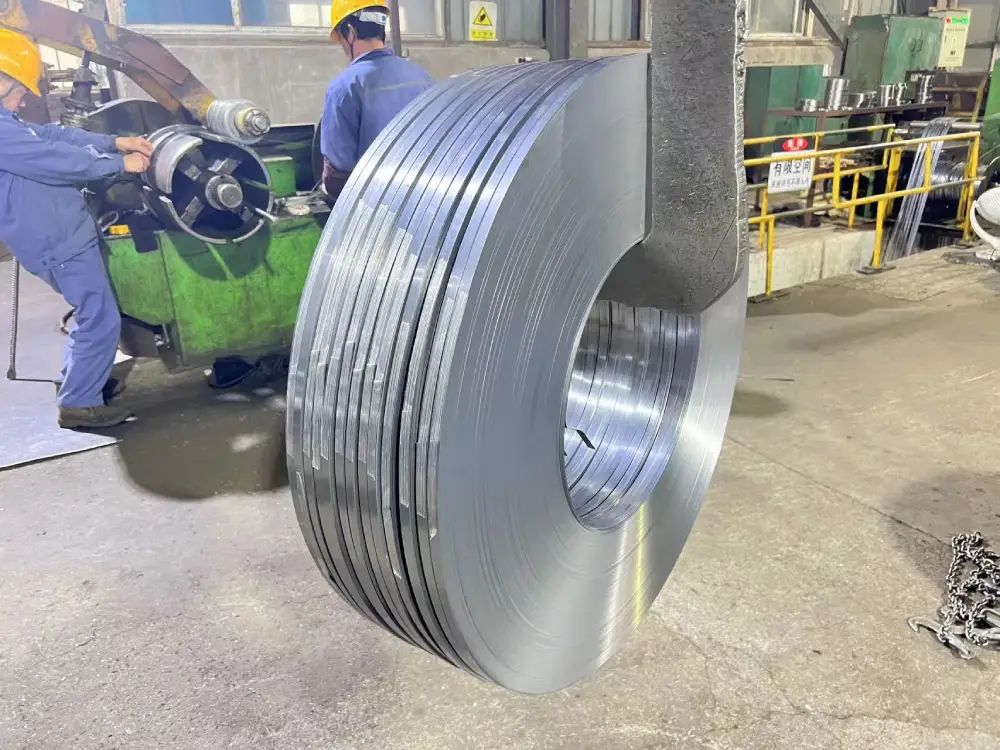
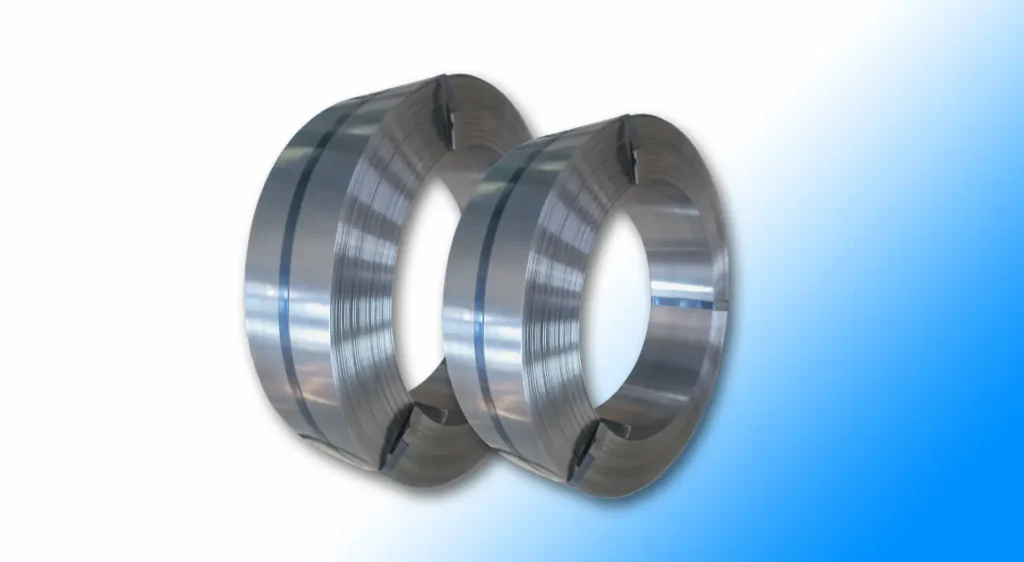
CK50 is a type of high-quality non-alloy carbon steel known for its excellent mechanical properties and versatility in various industrial applications. Classified under the DIN 17200-1987 standard and recognized by its material number 1.1206, CK50 offers a balance of strength, hardness, and machinability, making it suitable for components that require precision and durability, such as springs, blades, and automotive parts. CK50 is often used in cold-rolled steel form, providing additional benefits like a smoother surface finish, tighter tolerances, and improved mechanical performance compared to hot-rolled alternatives.
In this blog, we will explore the key features of CK50 steel, its production process, common applications, and the advantages of using cold-rolled CK50 steel coils for demanding industrial tasks.
CK50 Steel Composition and Properties
CK50 is a medium-carbon steel, typically containing around 0.50% carbon along with trace amounts of other elements like manganese and silicon. This chemical composition makes the steel ideal for hardening processes, particularly quenching and tempering, which further enhance its mechanical properties. The high carbon content in CK50 gives it excellent strength and hardness, but also allows for good ductility when annealed, making it versatile for a range of applications.
Key characteristics of CK50 steel include:
- Tensile strength: CK50 exhibits high tensile strength, making it suitable for parts subjected to significant mechanical stress.
- Hardness: When properly heat-treated, CK50 can achieve a high degree of hardness, ensuring wear resistance and durability.
- Machinability: CK50 is relatively easy to machine in its annealed state, allowing for precise shaping and cutting.
Because of these properties, CK50 is widely used in industries where components must endure harsh working conditions or where hardness and wear resistance are critical factors.
Cold-Rolling Process of CK50 Steel
Cold-rolling is a metalworking process that involves passing steel through rollers at room temperature to achieve a precise thickness and surface finish. For CK50 steel, the cold-rolling process enhances its mechanical properties and produces a product that is superior in quality compared to hot-rolled steel.
Benefits of Cold-Rolled CK50 Steel:
- Enhanced Surface Finish: Cold-rolled CK50 steel has a smoother surface compared to hot-rolled steel, making it ideal for applications where aesthetics and surface quality are important.
- Improved Mechanical Properties: Cold-rolling improves the yield strength and tensile strength of CK50 steel. This results in better performance in high-stress environments.
- Tighter Tolerances: Cold-rolled steel is manufactured with precise thickness control, ensuring consistent material thickness across large coils.
- Dimensional Accuracy: The cold-rolling process increases dimensional accuracy, which is critical for industries requiring precision parts.
The cold-rolled version of CK50 is often used in sheet or coil form and finds applications in a variety of sectors, including automotive, tool manufacturing, and machinery.
Heat Treatment of CK50 Steel
One of the key advantages of CK50 is its ability to be heat-treated to enhance specific mechanical properties. Quenching and tempering are two common heat treatment processes used to improve the hardness, strength, and toughness of CK50 steel.
- Quenching: This process involves heating the steel to a high temperature and then rapidly cooling it, usually in water or oil. Quenching increases the hardness of CK50 by transforming its microstructure, making it suitable for applications that require wear resistance and strength.
- Tempering: After quenching, CK50 steel may become too brittle for certain applications. Tempering is a process of reheating the quenched steel to a lower temperature and then cooling it slowly, which helps reduce brittleness while retaining much of the hardness.
By adjusting the quenching and tempering conditions, manufacturers can tailor CK50 steel to meet the specific requirements of different applications. For example, CK50 can be used to make machine components that need both high hardness and toughness, such as cutting tools, blades, and gears.
CK50 Steel’s Global Equivalents
As a globally recognized steel grade, CK50 has equivalents in various international standards, making it easier for manufacturers and engineers to specify and source the material. Some common equivalents of CK50 include:
- Japan: S50C (JIS standard)
- United States: 1050 (ASTM standard)
- International: C50E4 (ISO standard)
- France: XC50 (NF EN standard)
- Russia: 50 (GOST standard)
- UK: 080M50 (BS EN standard)
These equivalents ensure that CK50 can be readily substituted or compared with similar steel grades across different countries and industries, facilitating international trade and manufacturing.
Applications of CK50 Cold-Rolled Steel Coils
Due to its excellent mechanical properties, CK50 cold-rolled steel coils are used in a wide range of applications, including:
- Automotive Industry: CK50 steel is used to manufacture various automotive components, including suspension parts, gears, and shafts. The material’s high strength and wear resistance ensure the longevity and reliability of these parts under demanding conditions.
- Tool Manufacturing: CK50 is commonly used in the production of hand tools, cutting tools, and industrial blades. Its ability to withstand wear and maintain sharp edges makes it a preferred choice for high-precision tools.
- Mechanical Engineering: In machinery, CK50 steel is often used to create parts that experience heavy wear and mechanical stress, such as axles, levers, and springs. Its high tensile strength and resistance to deformation ensure the durability of these components.
- Construction Industry: CK50 cold-rolled steel coils are used in structural applications where high strength is required, such as in reinforcement bars, structural supports, and fasteners. The steel’s toughness and ability to withstand mechanical stress make it ideal for these purposes.
- Industrial Springs: CK50 is widely used in the manufacturing of springs that require high resilience and the ability to absorb mechanical energy. Whether for automotive suspensions or mechanical devices, CK50 offers the necessary combination of strength and flexibility.
Advantages of CK50 Cold-Rolled Steel Coils
Choosing CK50 cold-rolled steel coils over other materials comes with several advantages:
- Customizable Properties: Through heat treatment processes like quenching and tempering, CK50 can be customized to meet the exact mechanical requirements of various applications.
- Cost-Effective: CK50 provides an excellent balance of cost and performance. Its widespread availability and versatility make it a cost-effective choice for industries requiring durable and high-performance steel.
- Reliable Performance: CK50 steel’s ability to withstand harsh working conditions, high mechanical stress, and wear ensures reliable and long-lasting performance in demanding environments.
- Global Compatibility: With international equivalents and standards, CK50 is widely accepted and used around the world, making it an excellent choice for manufacturers and engineers involved in global projects.
Conclusion
CK50 cold-rolled steel coils offer an excellent combination of strength, machinability, and wear resistance, making them ideal for a wide range of industrial applications. With its versatile properties, CK50 steel is suitable for use in the automotive, construction, tool-making, and machinery industries. Through advanced heat treatment techniques, such as quenching and tempering, CK50 can be customized to meet the specific needs of each application.
Whether you are looking for durable steel for tool manufacturing or reliable material for mechanical components, CK50 cold-rolled steel is a robust and cost-effective choice that meets international standards.