As the world increasingly adopts renewable energy sources to combat climate change, wind energy stands out as one of the most promising solutions. Wind turbines, the backbone of this energy revolution, rely on highly efficient generators to convert kinetic energy into electricity. A key material that underpins the performance and reliability of these generators is non-oriented silicon steel (NOES). This specialized steel grade plays a pivotal role in ensuring the efficiency, durability, and sustainability of wind energy systems.
In this blog, we’ll explore the application of non-oriented silicon steel in wind turbine generators, examine its unique properties, and highlight its contribution to the broader goal of a greener energy landscape.
Wind Turbines and the Importance of Efficient Generators
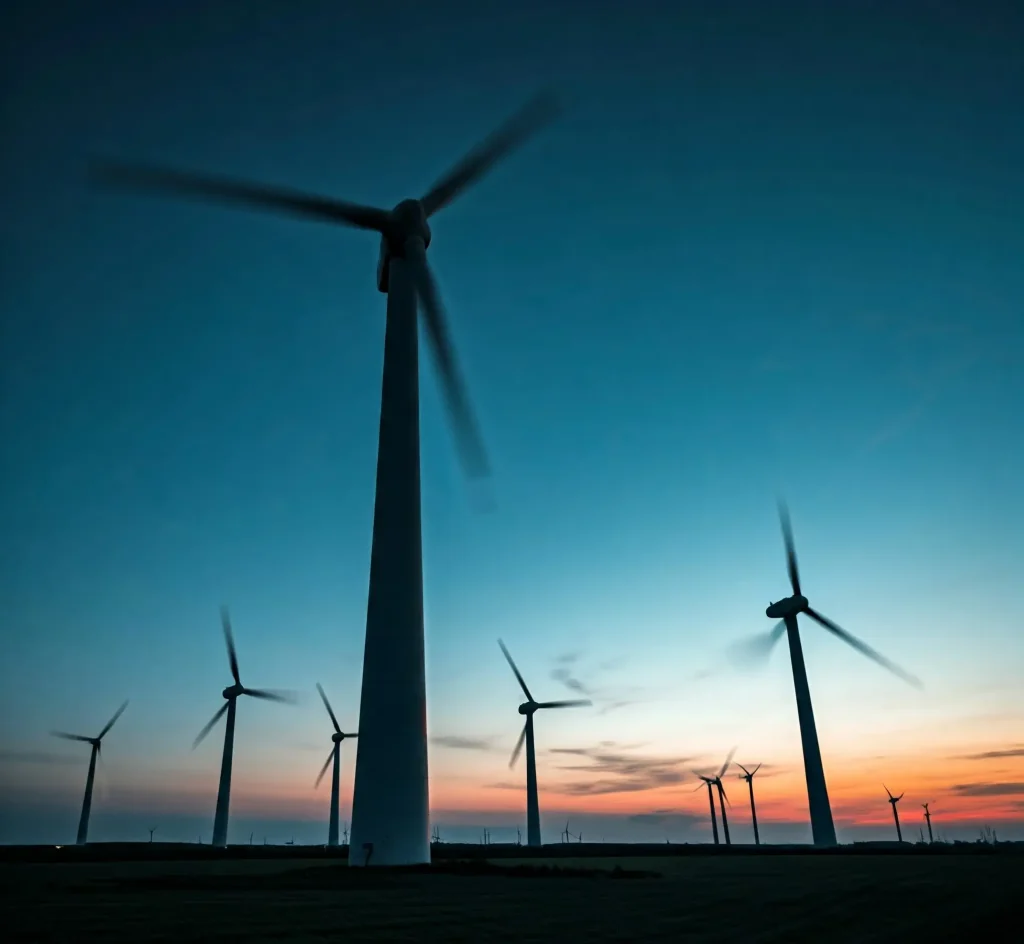
Wind turbines operate by capturing kinetic energy from the wind and converting it into mechanical energy via rotating blades. This mechanical energy is then transformed into electrical energy by the generator, which is the heart of the wind turbine.
The efficiency of this conversion process is heavily dependent on the materials used in the generator’s construction. Here, non-oriented silicon steel emerges as a vital component due to its superior magnetic and mechanical properties.
What is Non-Oriented Electrical Steel?
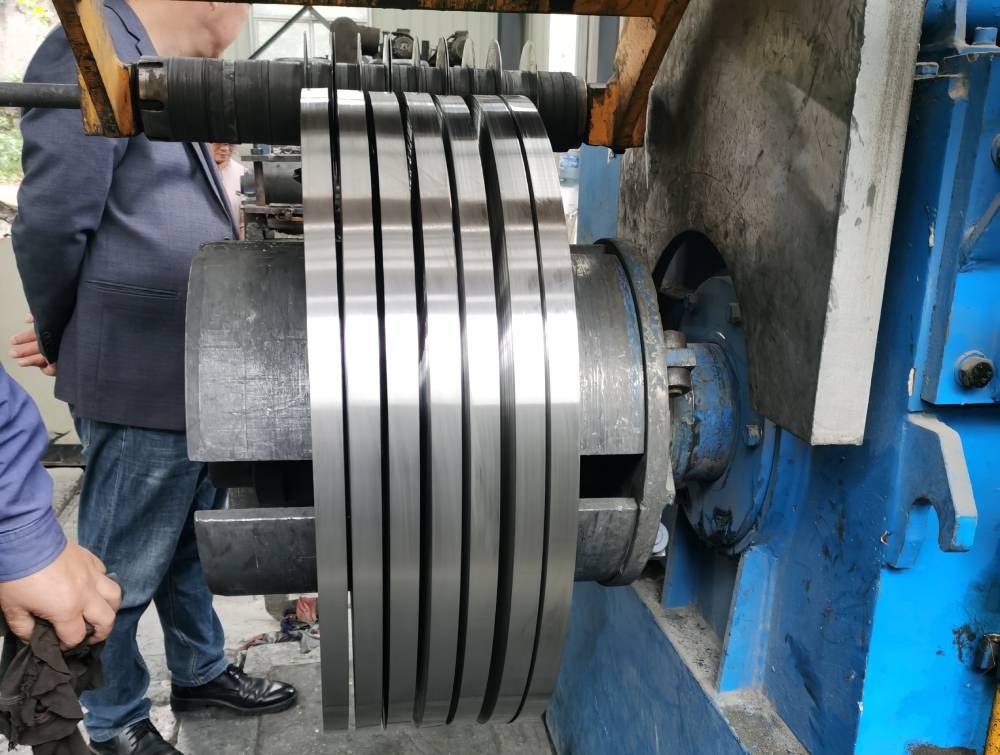
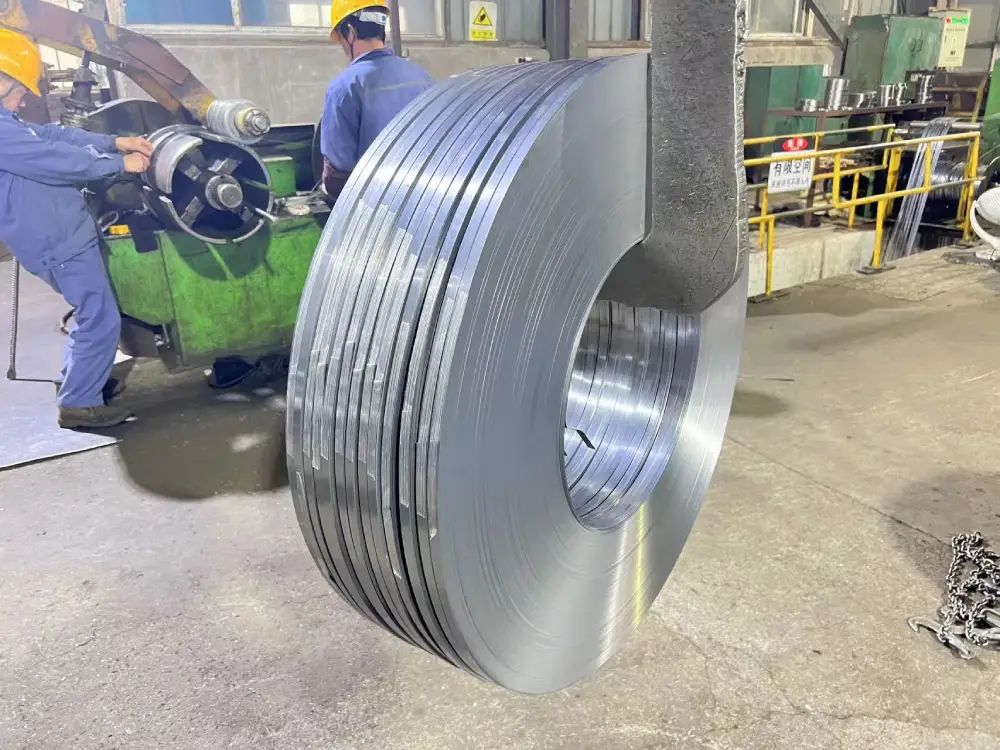
Non-oriented electrical steel, often referred to as non-oriented silicon steel, is a type of iron-silicon alloy designed for use in electromagnetic applications where magnetic fields change direction frequently, such as in the rotating parts of wind turbine generators. Unlike grain-oriented electrical steel, which is optimized for unidirectional magnetic flow, NOES exhibits uniform magnetic properties in all directions.
Key Characteristics of Non-Oriented silicon Steel
- Isotropic Magnetic Properties
NOES has uniform magnetic permeability in all directions, making it ideal for use in the rotating components of wind turbine generators. - Low Core Losses
Core losses, comprising hysteresis and eddy current losses, directly impact the efficiency of electrical systems. NOES minimizes these losses, ensuring high energy conversion rates. - High Mechanical Strength
The structural integrity of NOES allows it to withstand the stresses and vibrations encountered in high-speed generator operations. - Thermal Stability
In wind turbine generators, which often operate in varying and extreme conditions, NOES maintains its performance without significant degradation.
Why Non-Oriented Electrical Steel is Critical for Wind Turbine Generators
1. Maximizing Energy Conversion Efficiency
Wind turbines depend on the efficiency of their generators to deliver reliable power. The magnetic cores in these generators, made from NOES, facilitate the efficient transformation of mechanical energy into electrical energy.
Case in Point: Offshore Wind Turbines
Offshore wind farms often face fluctuating wind speeds and harsh environmental conditions. High-quality NOES helps maintain generator performance by reducing energy losses, which is crucial for ensuring consistent electricity output.
2. Enhancing Durability and Reliability
Wind turbines are designed to operate continuously for decades. Generators made with NOES are less prone to wear and energy losses over time, thanks to the material’s resistance to mechanical stress and thermal expansion.
3. Supporting Compact and Lightweight Designs
The demand for more efficient and cost-effective wind turbines has led to a focus on compact and lightweight generators. NOES enables higher power densities, allowing manufacturers to design smaller generators without compromising on performance.
4. Operating in High-Speed and Variable Conditions
Wind turbines often operate at variable speeds, depending on wind conditions. NOES’s isotropic magnetic properties ensure stable performance across a range of operating conditions, from low-speed breezes to high-speed gusts.
Technological Innovations in Non-Oriented Electrical Steel for Wind Energy
1. Advanced Manufacturing Techniques
Recent advancements have enabled the production of ultra-thin laminations of NOES, significantly reducing eddy current losses. These thin sheets are particularly beneficial in high-frequency applications within modern wind turbines.
2. Improved Alloy Compositions
Manufacturers are optimizing the silicon and carbon content in NOES to achieve a balance between magnetic performance, mechanical strength, and cost-effectiveness.
3. Enhanced Insulation Coatings
Insulating coatings on NOES sheets further reduce energy losses and enhance the durability of the material. These coatings are also designed to withstand the high temperatures and corrosive environments typical of wind farms.
The Role of Non-Oriented Electrical Steel in the Energy Transition
1. Enabling Scalable Wind Power Generation
As global wind power capacity expands, the demand for efficient and durable materials like NOES continues to grow. Its application in generators ensures that wind turbines can operate reliably, even as the scale and complexity of wind farms increase.
2. Supporting Grid Stability
High-efficiency generators made with NOES contribute to stable electricity supply from wind farms, minimizing fluctuations and improving grid reliability.
3. Reducing the Carbon Footprint of Wind Turbine Manufacturing
The production of NOES has seen advancements that lower its environmental impact. Additionally, its recyclability makes it a sustainable choice for generator construction.
Challenges in Utilizing Non-Oriented Electrical Steel
1. Cost Considerations
The production of high-grade NOES involves advanced processing techniques, which can increase costs. Manufacturers must balance performance with affordability to ensure widespread adoption.
2. Technological Barriers
Producing NOES with consistently low losses and high mechanical strength requires precision engineering and quality control. Ongoing research aims to address these challenges.
3. Recycling and End-of-Life Management
As wind turbines reach the end of their operational lives, developing efficient recycling processes for NOES will be critical to maintaining its sustainability credentials.
Future Directions for Non-Oriented Electrical Steel in Wind Energy
- Increased Use of Ultra-Thin Laminations
The push for even higher efficiency is driving research into thinner NOES sheets that can further minimize energy losses. - Integration with Smart Grid Technologies
As wind energy systems become more integrated with smart grids, the role of NOES in enabling efficient energy storage and distribution will grow. - Application in Direct-Drive Generators
Direct-drive wind turbines, which eliminate the need for gearboxes, require high-performance NOES to handle increased magnetic and mechanical demands.
Conclusion
Non-oriented electrical steel is far more than a functional material in wind turbine generators—it is a cornerstone of modern wind energy systems. By enabling high efficiency, durability, and sustainability, this remarkable alloy supports the global transition to renewable energy.
As wind farms expand and technologies evolve, the role of NOES will only become more significant, driving innovations in generator design and performance. For manufacturers and engineers, the challenge lies in leveraging the full potential of this material to create wind turbines that are not only efficient but also environmentally responsible.
Call to Action:
Looking to enhance the performance of your wind turbine generators? Explore the latest advancements in non-oriented electrical steel and partner with trusted suppliers to access high-quality materials tailored for renewable energy applications.