Choosing the right steel strip isn’t just a technical decision — it’s a practical one that directly affects performance, safety, and cost. Whether you’re manufacturing cutting blades, band saws, or precision measuring tools, your steel selection will make or break your product quality.
Let’s break it down clearly — no fluff, just straight talk about what matters.
1. Start With the Application, Not the Material
One common mistake we see: picking a steel grade based on general reputation rather than actual application requirements. A steel that works beautifully in a saw blade might completely fail in a precision measuring tape.
Ask yourself:
- Will the product face high impact or continuous friction?
- Does it need sharp edges that hold up over time?
- Is corrosion resistance critical?
- Do you need high flexibility, or stiffness and dimensional stability?
Start with these questions. Then move to material specs.
2. Blades & Outils de coupe: Go Hard or Go Home
For industrial or utility blades, the top priority is hardness and edge retention. That’s where hardened and tempered high carbon steel shines.
Popular options:
- SK5 / 75Cr1 / C75S – High hardness, good edge retention, cost-effective. Ideal for utility knives, cutter blades, and garden tools.
- 65Mn – Excellent wear resistance and toughness. Common in industrial blades and circular saws.
- 51CrV4 / 50CrV4 – For heavy-duty or impact-prone cutting tools, this alloyed spring steel adds extra fatigue strength.
Tips:
- Aim for a Rockwell hardness between HRC 48–55 for general-purpose blades.
- Ask your supplier about surface finish – bluing or polishing can reduce friction during cutting.
3. Band Saws & Woodworking Blades: Strength Meets Flexibility
Band saws need to resist fatigue over long cycles. They’re constantly under tension and flexing. You need steel that won’t crack under pressure — literally.
Recommended materials:
- High carbon spring steel (e.g., SK85 or C75S) – Offers the right balance of hardness and elasticity.
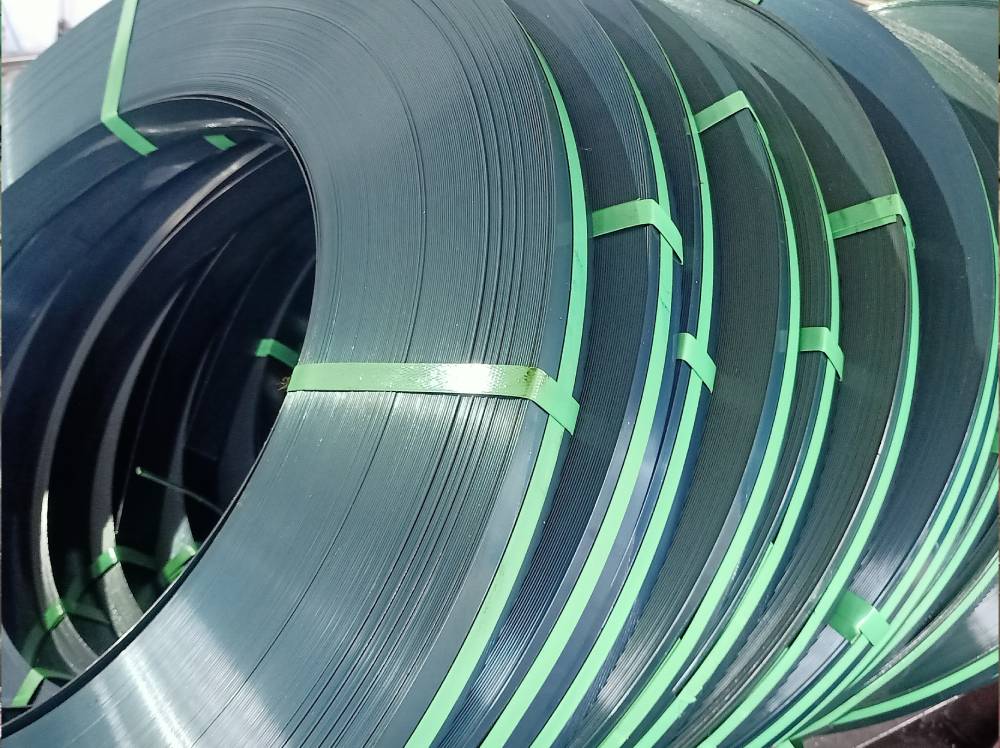
- Tempered blue or yellow strips – Color isn’t just cosmetic. These indicate a controlled tempering process, often preferred for woodworking saws.
Watch out for:
- Poor heat treatment can cause premature cracking.
- Uneven coil thickness leads to poor blade tracking. Make sure tolerance is tight — within ±0.02mm.
4. Measuring Tapes & Flexible Tools: Precision Over Power
Measuring tools need steel that’s thin, elastic, and dimensionally stable. Unlike knives or saws, hardness isn’t the focus — it’s flexibility without permanent deformation.
Best picks:
- 65Mn (annealed) – Offers excellent spring properties at thinner gauges.
- 301 ou 420 Stainless Steel (annealed) – For corrosion-prone environments or high humidity usage.
Design notes:
- Don’t over-spec hardness. Too hard, and the tape will snap. You want it to bend — and bounce back.
- Surface finish should be smooth to prevent wear from repeated rolling.
5. The Real Difference: Consistency and Quality Control
Even the best steel grade is useless if the strip isn’t processed properly. Here’s where a lot of problems show up in the field:
- Edge burrs leading to premature failure
- Inconsistent hardness across coils
- Uneven width or thickness causing rejection during tool assembly
What to demand from your supplier:
- Full test reports (mechanical properties, dureté, chemical composition)
- Coil-to-coil consistency
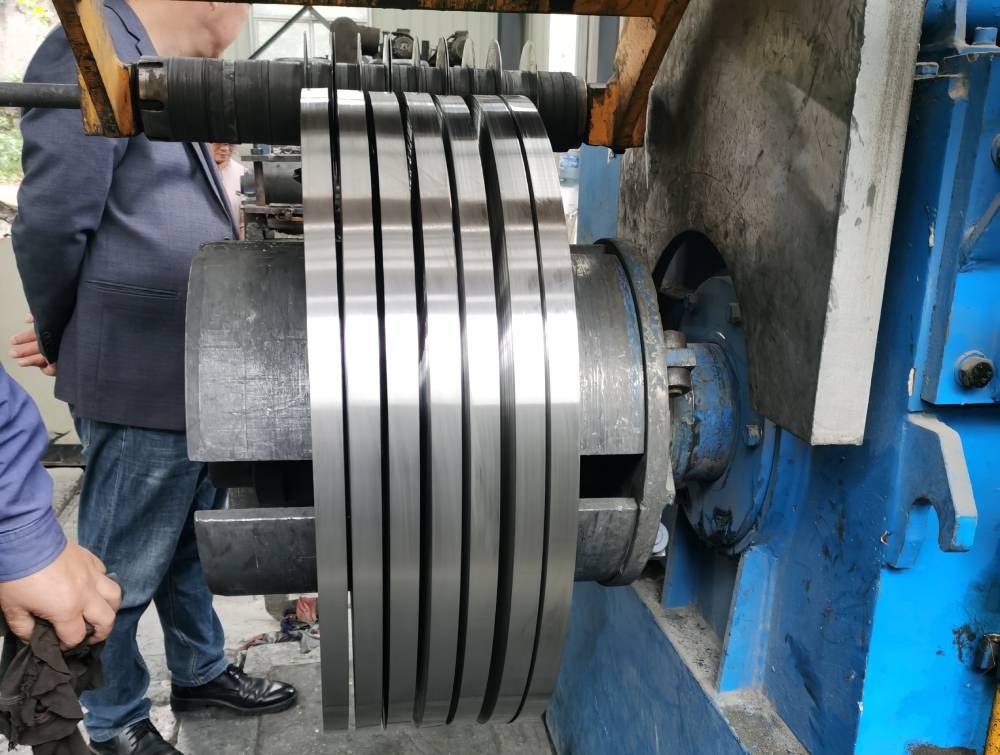
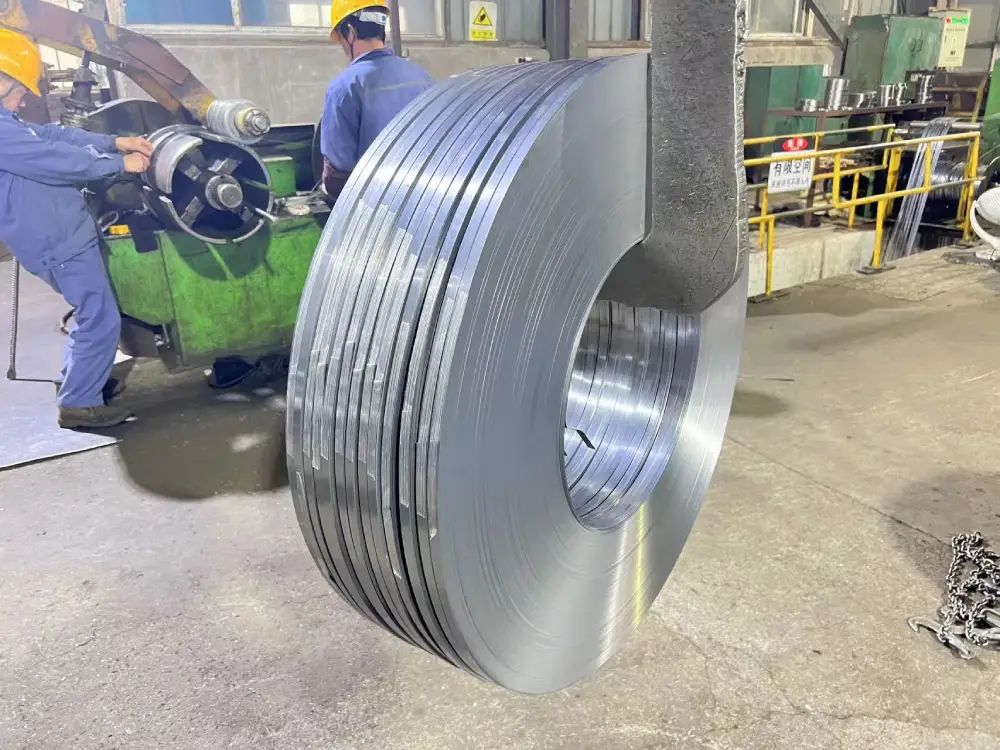
- Clean, burr-free slitting and proper packaging
Final Thoughts
There’s no one-size-fits-all answer when selecting steel strips for blades, saws, or measuring tools. But if you match the right material to the job — and work with a supplier who knows what they’re doing — you’ll avoid a lot of headaches later.
At JiaxiaoMTC, we specialize in heat-treated and cold-rolled steel strips tailored to cutting tools and precision instruments. We know how critical material quality is — and we back it up with inspection, service, and export experience you can trust.
Need help choosing the right strip?
Let’s talk — we’ll help you pick steel that performs, not just one that looks good on paper.