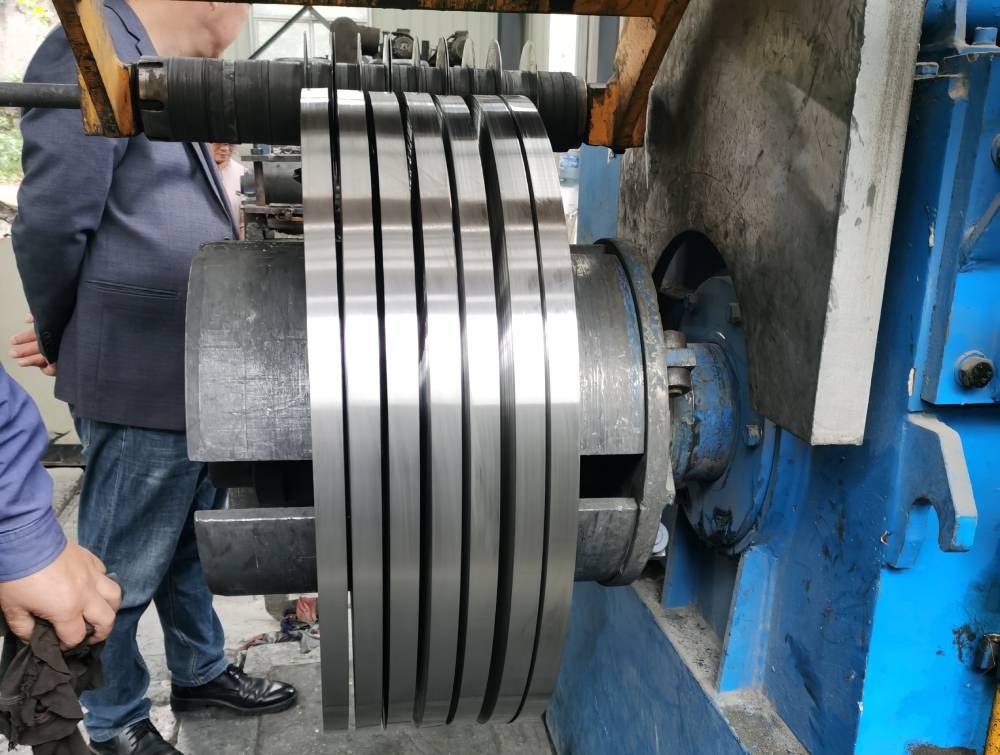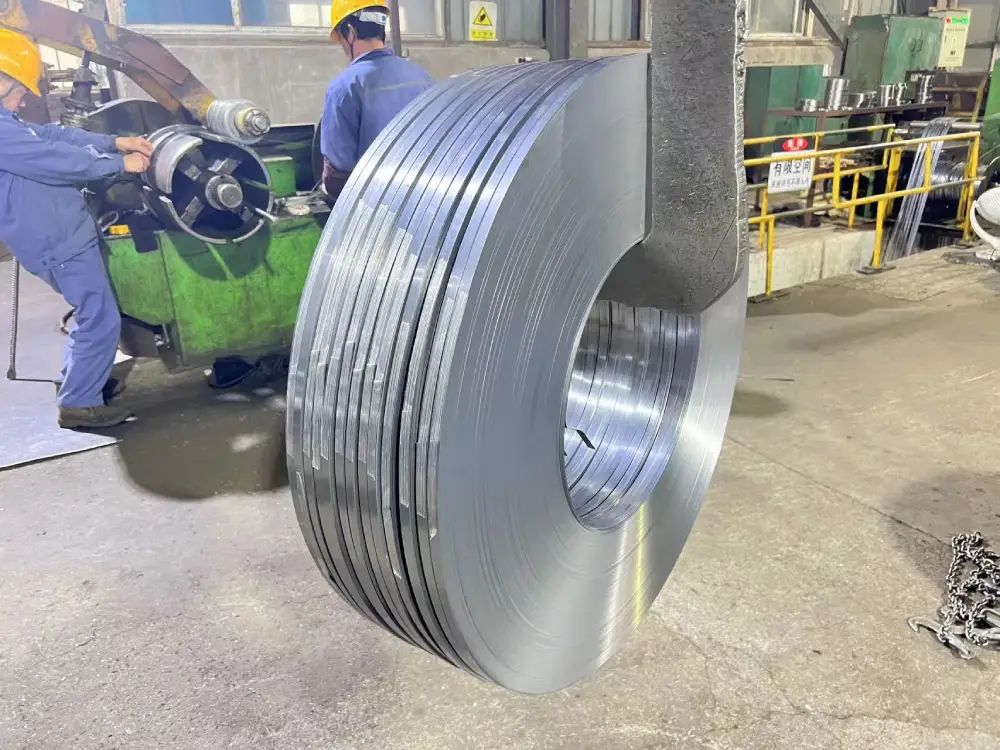
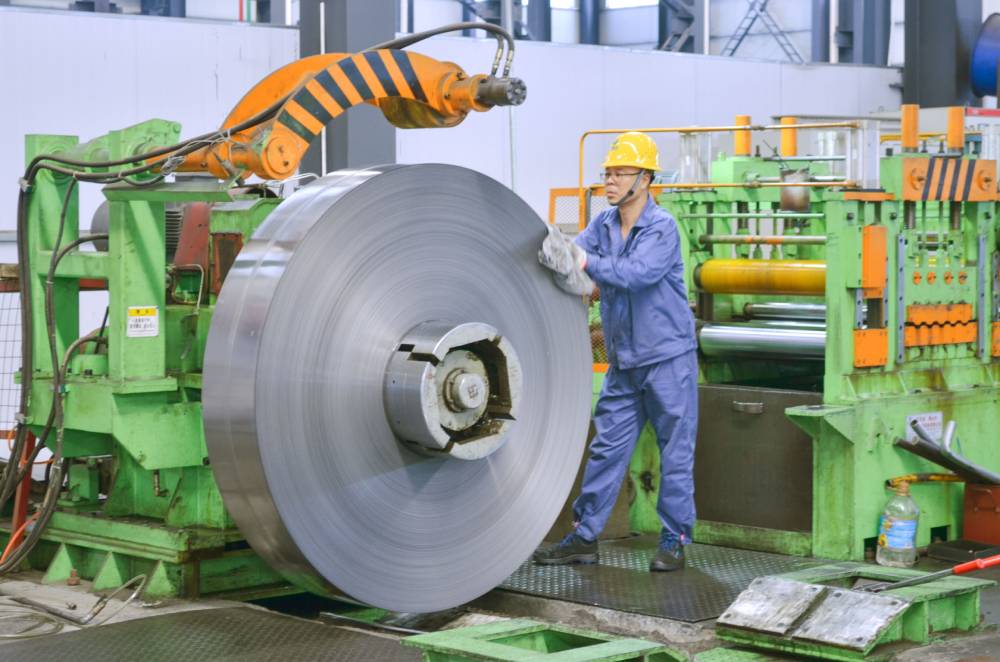
When you’re choosing steel for your products—whether it’s for blades, источники, инструменты, or automotive parts—performance isn’t just about the grade. It’s about how that steel is treated. And few processes are as critical as закалка и отпуск.
В этой статье, we’ll break down what quenching and tempering really mean, why they matter, and how they impact the final performance of your steel components.
What Is Quenching and Tempering?
Let’s start with the basics.
- закалка is the rapid cooling of steel from a high temperature (usually around 800–900°C), typically in oil or water.
- Закалка follows quenching. The quenched steel is reheated to a lower temperature (usually between 150–700°C) and then cooled again—this time more slowly.
It’s a two-step heat treatment that transforms the internal structure of steel to make it harder, tougher, and more stable.
Why This Matters to You
If you’re sourcing steel strips, coils, or parts, here’s why you should care about quenching and tempering:
1. Hardness vs. Toughness – You Need Both
Quenching alone makes steel very hard, but also very brittle—not ideal for tools that need to absorb shock or bend slightly under load.
That’s where tempering comes in. It softens the steel just enough to remove brittleness while preserving strength. The result? A durable, wear-resistant material that won’t crack under pressure.
Think: лезвия пилы, cutting knives, or suspension springs. You want high hardness, yes—but not at the cost of sudden breakage.
2. Dimensional Stability After Processing
Uncontrolled heat treatment can warp or deform steel. A properly quenched and tempered steel strip stays flat and straight—crucial for stamping, формирование, or any precision application.
В Jiaxiaomtc, we pay special attention to flatness control. Because we know your press machines and dies don’t forgive poor tolerances.
3. Consistent Performance, Batch After Batch
Every batch of our hardened and tempered steel strip goes through strict process control:
- Precise temperature profiling
- Uniform quenching speed
- Controlled tempering cycles
This ensures you get predictable mechanical properties—no surprises in the field or on your production line.
4. Tailored to Your Application
Not all quenched and tempered steels are created equal. The final hardness (measured in HRC or HV) depends on:
- The steel grade (например, СК5, C75S, 51КрВ4)
- The quenching medium
- The tempering temperature
We work closely with customers to fine-tune each product’s hardness, предел прочности, and ductility—because your application isn’t one-size-fits-all.
Common Applications of Quenched & Tempered Steel Strips
| Приложение | Key Requirements | Our Solution |
|---|---|---|
| Blade & Knife Making | High edge retention, no cracking | SK5 hardened & tempered strips |
| Spring Manufacturing | Гибкость + сопротивление усталости | C75S or 51CrV4 with tight tolerances |
| Automotive Clips | Прочность, formability post-delivery | Blue tempered 1075/1095 полосы |
Need Help Choosing the Right Steel Strip?
В Jiaxiaomtc, we don’t just sell steel—we help you find the right material, with the right treatment, for your specific job.
Whether you need hardened and tempered coils in bulk, or cut-to-length strips for immediate production, we’re ready to support you with technical insight and consistent quality.
Let us know your application—and we’ll handle the rest.
✅ Key Takeaways:
- Quenching and tempering improve steel’s performance by balancing hardness and toughness.
- Poor heat treatment can lead to cracks, deformation, or early failure—avoid it.
- Partnering with an experienced supplier means better results, fewer production issues, and peace of mind.
? Looking for hardened & закаленные стальные полоски? Contact JiaxiaoMTC for customized solutions backed by real-world experience.