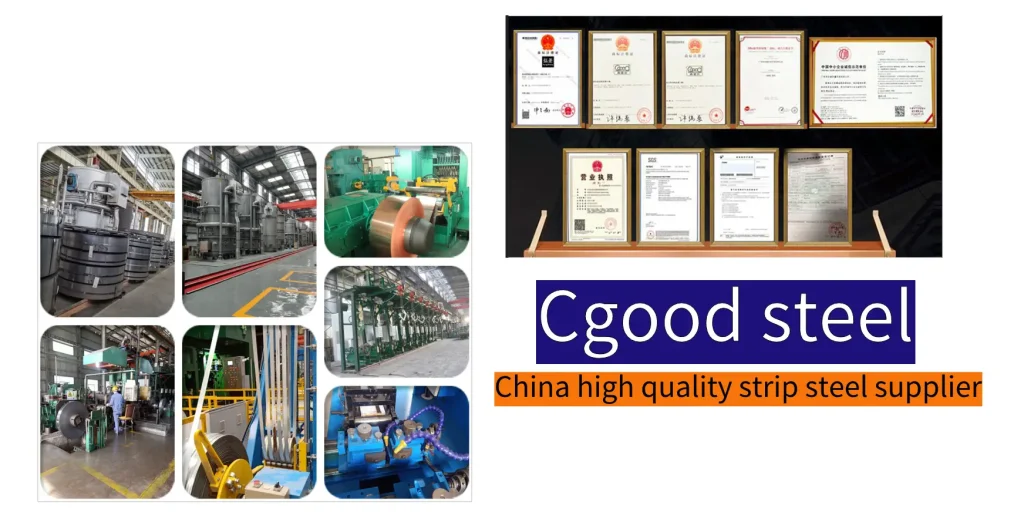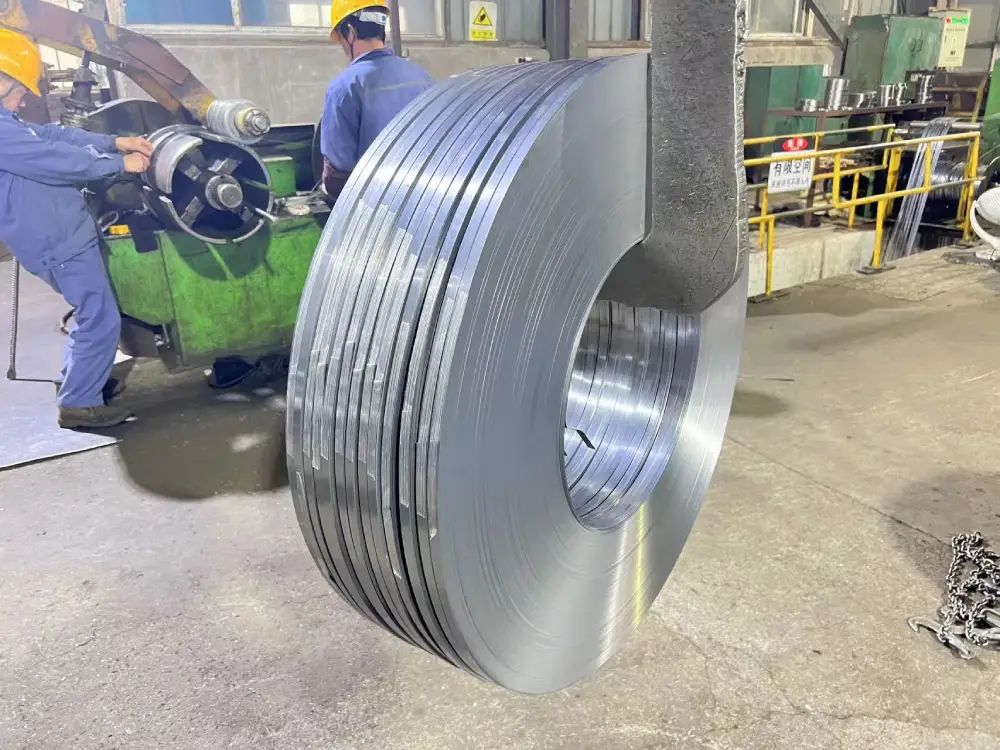
The production of steel strips is a detailed and precision-driven process that ensures high-quality materials for various industrial applications. In this blog, we will walk through the essential steps of the steel strip production process, emphasizing key industry standards and the high levels of precision involved.
1. Raw Material Procurement
The steel strip production process begins with sourcing high-quality raw materials, typically hot-rolled steel coils from reputable suppliers. The coils undergo strict quality control to meet specific chemical and physical properties required for further processing.
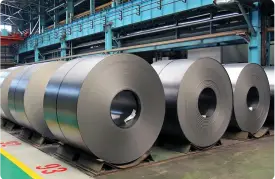
2. Acid Washing
Before cold rolling, the hot-rolled steel coils must go through an acid washing process to remove oxidation from the surface. This is essential as the oxide layer (typically 5-20µm thick) must be removed to ensure a clean, smooth surface for the next stages.
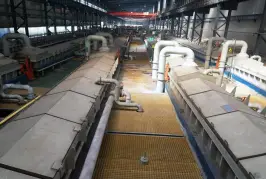
3. Cold Rolling
In this step, the cleaned steel coils are cold-rolled to reduce the thickness to the required dimensions while improving accuracy and surface finish. Cold rolling increases the strength and hardness of the steel strip, making it suitable for various applications.
The cold rolling process involves passing the steel between two rollers, which reduces the thickness by applying high pressure. Cgoodsteel, for example, uses 4-high reversing cold rolling mills to achieve precise thicknesses down to 0.08mm with optimized tolerances.
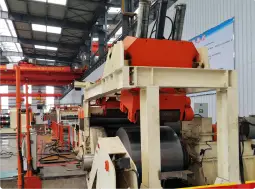
4. Leveling
Once the steel strip has been cold-rolled, it undergoes leveling to ensure a flat and smooth surface. This process eliminates shape defects, such as curves or twists, which may have formed during cold rolling. Leveling ensures that the material meets customer standards and specifications for flatness and stability.
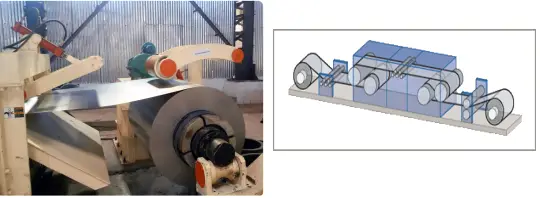
5. Annealing
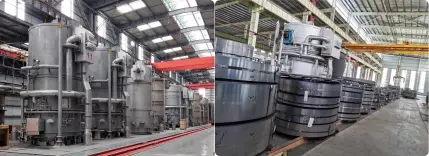
Annealing is a heat treatment process that alters the physical properties of the steel, making it softer and more ductile. The steel strip is heated to a high temperature and then cooled gradually. This process improves the strip’s malleability, making it easier to shape in later applications, such as springs, washers, and clips.
There are two main types of annealing: bright annealing, which results in a smooth, shiny surface, and spheroidized annealing, which creates a fine grain structure ideal for cold forming.
6. Hardening and Tempering
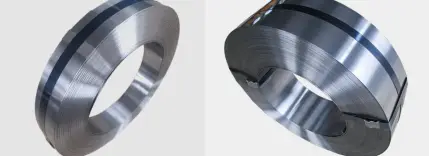
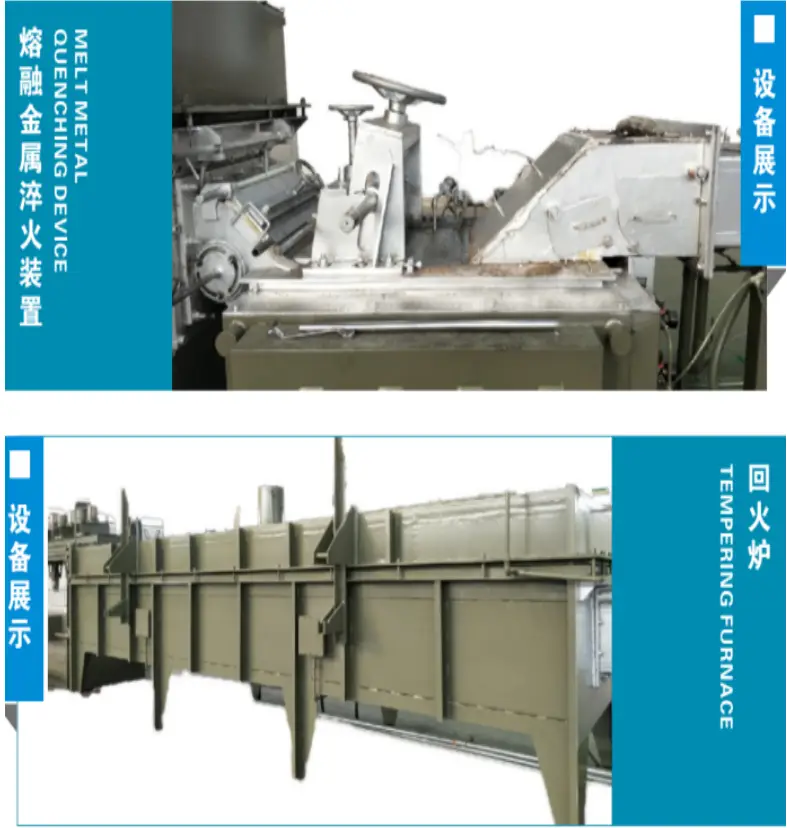
For steel strips that require enhanced strength and toughness, hardening and tempering are essential. In this process, the steel strip is heated above its critical temperature and rapidly cooled (hardening). However, since hardened steel is brittle, tempering is necessary to reduce brittleness and increase toughness by reheating the steel at a lower temperature.
Cgoodsteel’s hardened and tempered steel strips are widely used in demanding applications, such as rolling shutter door springs and band saw blades.
7. Slitting and Length Cutting
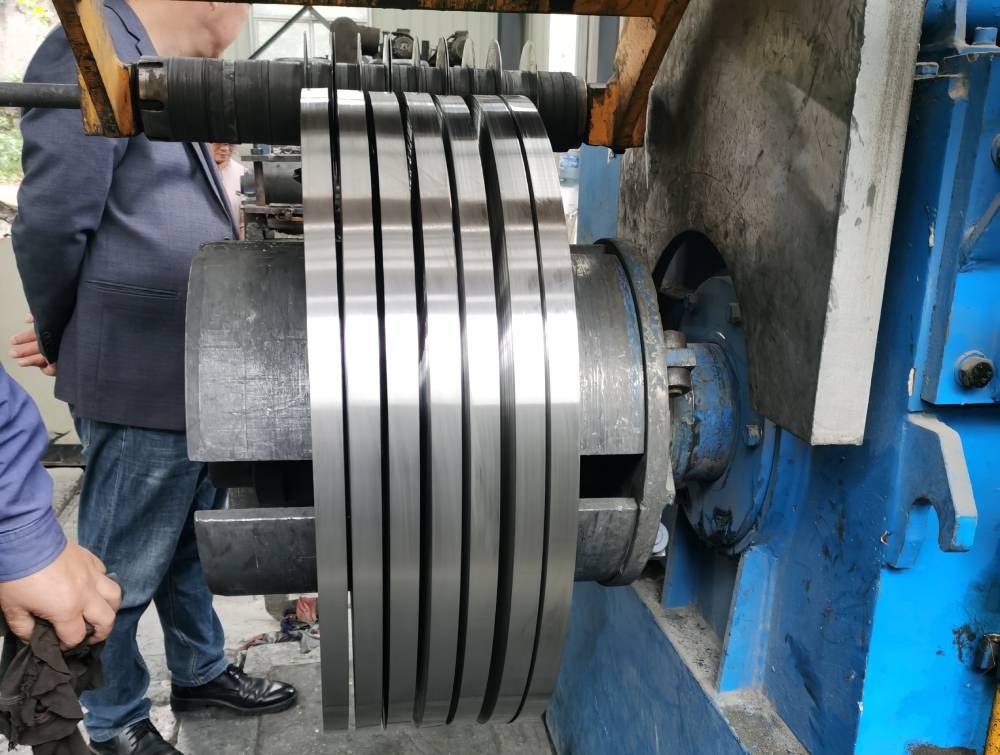
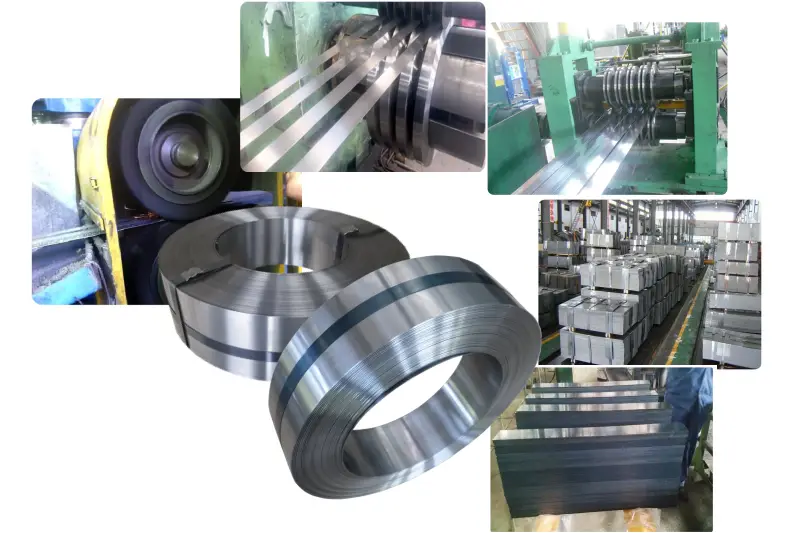
Once the desired mechanical properties are achieved, the steel strip is slit into narrower widths or cut to length, depending on the customer’s requirements. Slitting involves passing the steel through a set of rotating knives, which precisely shear the steel to the required dimensions.
8. Polishing and Edge Treatment
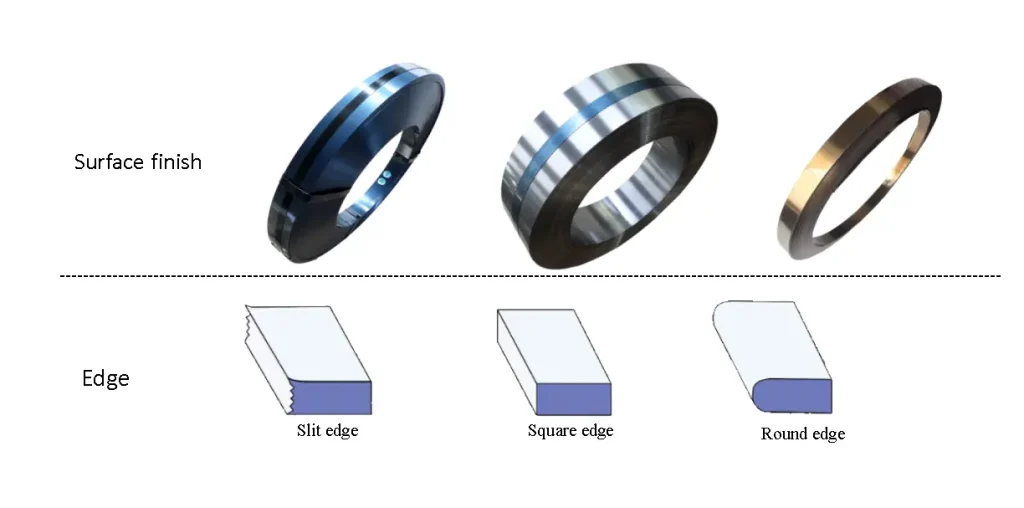
To meet specific customer requirements, steel strips can undergo polishing and edge treatment. Polishing enhances the strip’s surface finish, while edge treatments such as deburring or rounding ensure safety and ease of handling.
9. Quality Control and Packaging
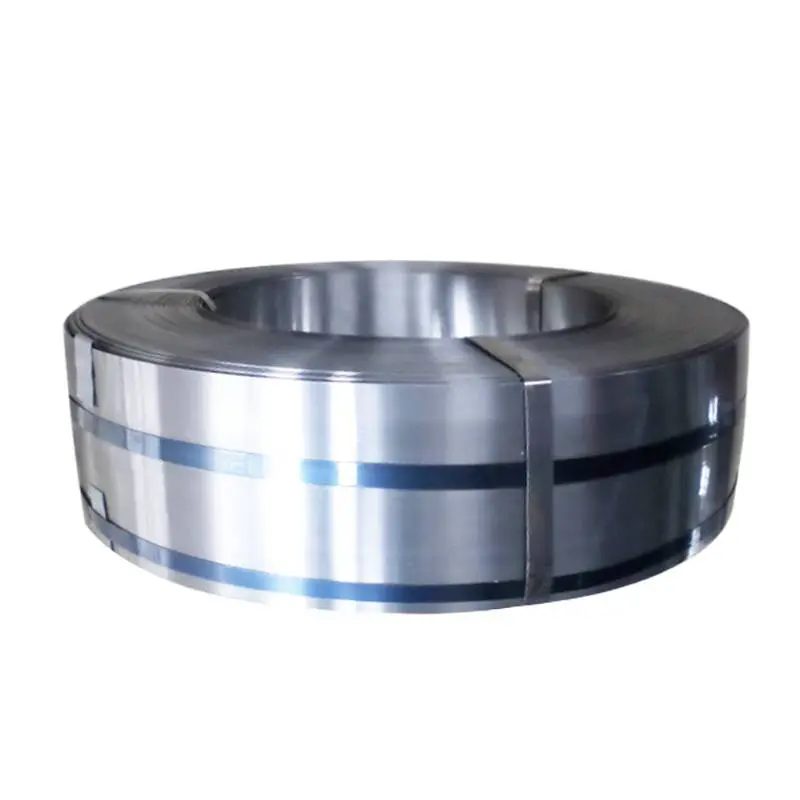
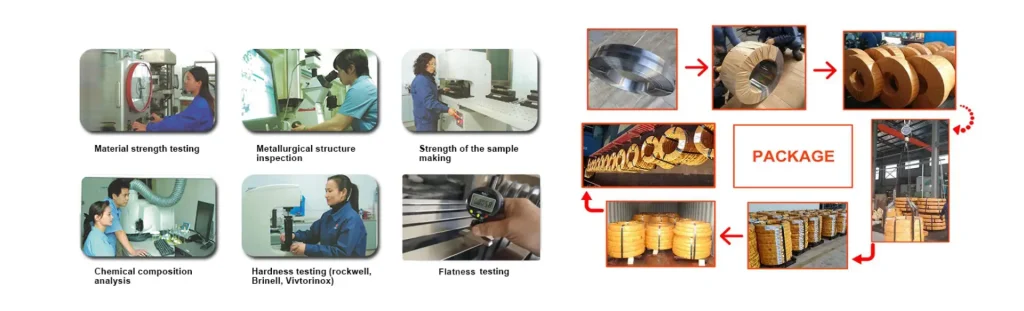
Before delivery, steel strips are subjected to rigorous quality control checks. Key factors like thickness, hardness, width, and flatness are verified to ensure they meet industry standards. Strips are then light oiled, wrapped in plastic film, and packaged for shipping.
Conclusion
Steel strip manufacturing is a meticulous process that combines advanced technology and skilled craftsmanship. From raw material procurement to the final packaging, each step ensures that the finished product meets high-quality standards for diverse industrial applications.
By understanding this process, customers can better appreciate the precision and care that goes into producing high-performance steel strips. For industries requiring reliable and durable materials, partnering with an experienced steel strip manufacturer, such as Cgoodsteel, ensures consistent quality and tailored solutions to meet specific needs.