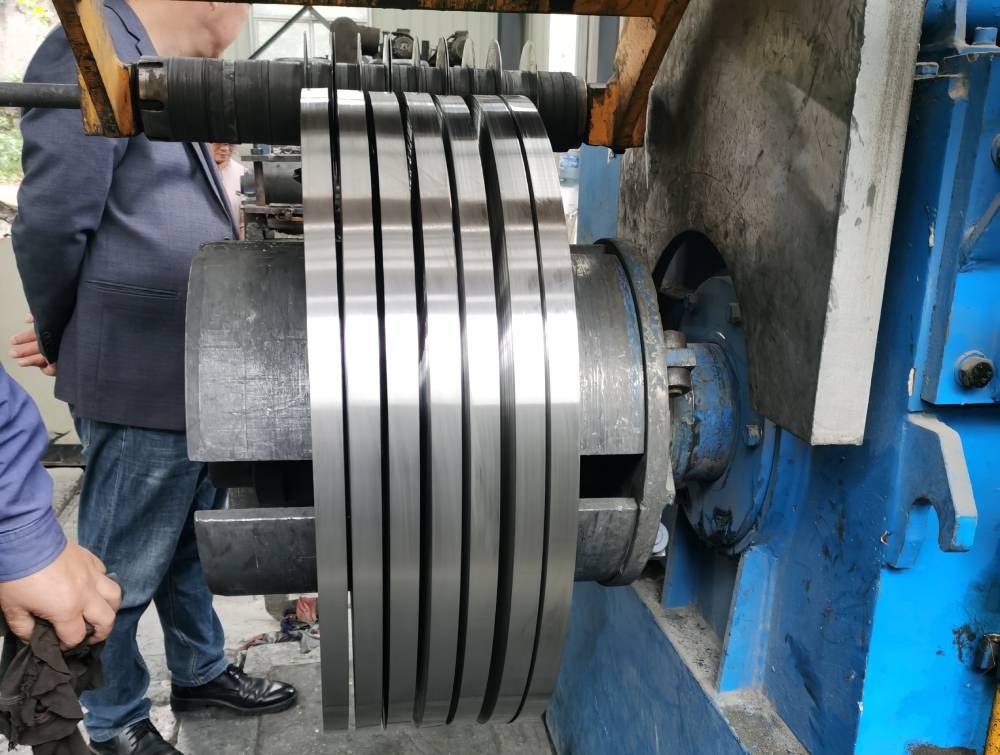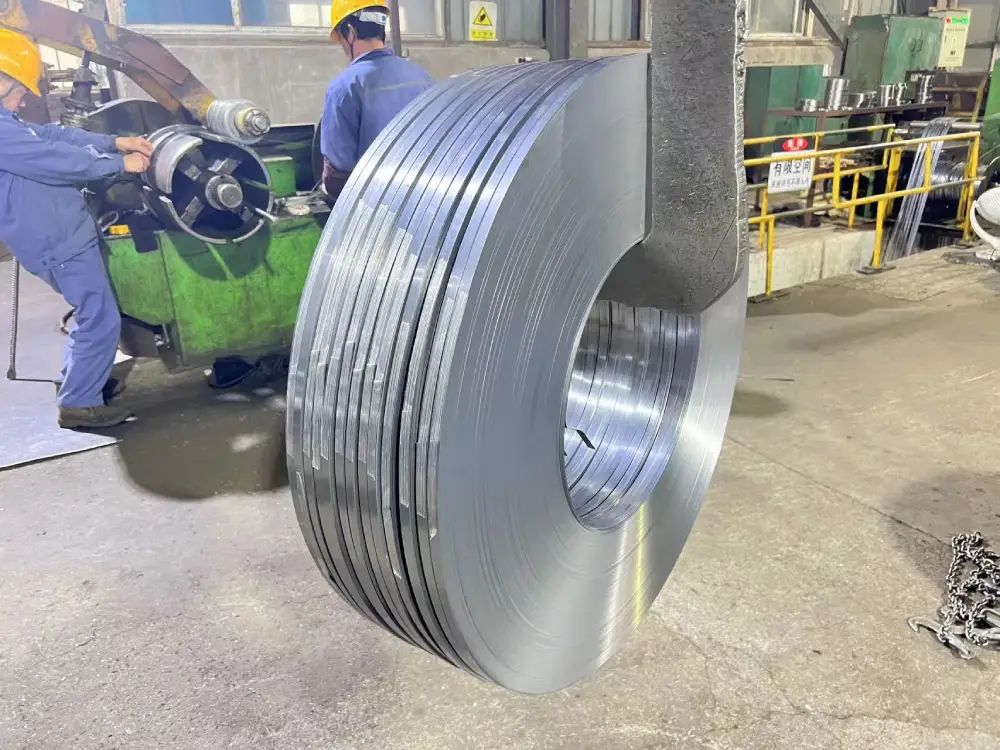
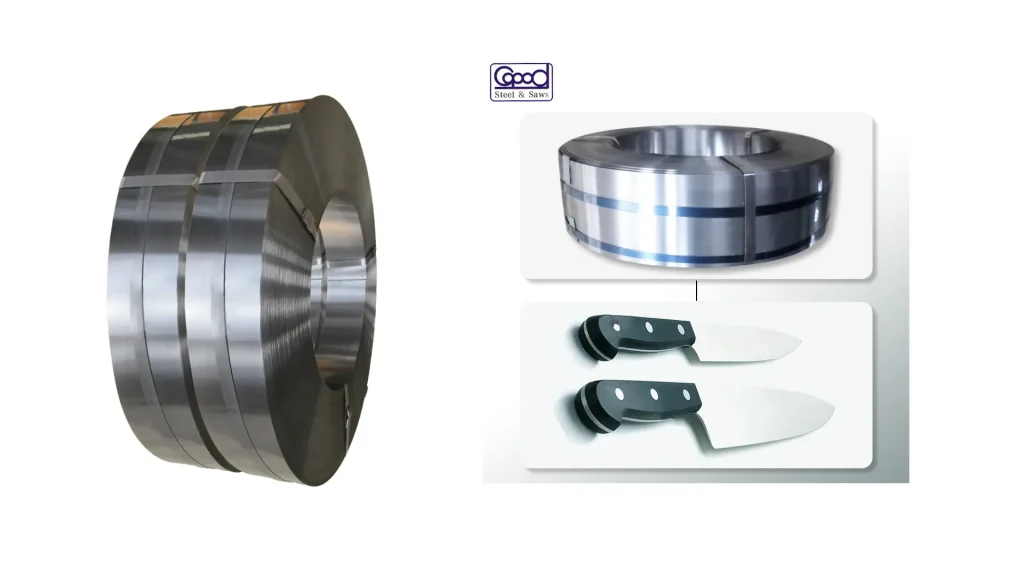
При выборе материалов для промышленного, строительство, или для изготовления инструментов, сила часто является ключевым фактором. High carbon steel and stainless steel are two of the most widely used materials, each with unique characteristics and advantages. So, is high carbon steel stronger than stainless steel? The answer depends on how we define “stronger” and the specific application in question.
What is High Carbon Steel?
Высокая углеродная сталь contains a higher carbon content, usually between 0.6% и 1.0%, giving it increased hardness and strength. The elevated carbon levels make it ideal for producing sharp, durable edges, making it popular in knives, инструменты, and springs. Однако, the hardness comes at a price: high carbon steel is more brittle and prone to cracking under stress or impact.
Key Characteristics of High Carbon Steel:
- Твердость: High carbon steel is known for its impressive hardness, making it suitable for wear-resistant applications.
- Сила: It offers excellent tensile strength, crucial in heavy-duty tools and applications where durability is critical.
- Бриттлис: Несмотря на свою твердость, high carbon steel can be brittle, making it less ductile and more prone to fractures.
What is Stainless Steel?
Нержавеющая сталь, on the other hand, is an alloy that contains at least 10.5% хром, which gives it its famous corrosion resistance. Stainless steel is commonly used in environments where exposure to moisture, химикаты, or high temperatures is a concern, such as in medical instruments, кухонная утварь, и строительство.
Key Characteristics of Stainless Steel:
- Коррозионная стойкость: The chromium content in stainless steel forms a protective layer that prevents rust and corrosion.
- Сила: Depending on the grade, stainless steel offers good strength, particularly in its austenitic and martensitic forms.
- Прочность: Stainless steel is typically more ductile than high carbon steel, meaning it can absorb impacts without breaking.
Strength Comparison: High Carbon Steel vs. Нержавеющая сталь
In terms of raw предел прочности, high carbon steel can be stronger than certain grades of stainless steel. Однако, the overall “сила” comparison involves various factors:
- Твердость: High carbon steel is harder than stainless steel, making it superior for cutting tools, лезвия, and applications where sharpness and wear resistance are necessary.
- Прочность: Нержавеющая сталь, particularly austenitic grades like 304 или 316, is tougher and more resistant to impact and bending than high carbon steel. This makes it a better choice for applications where flexibility and durability are important.
- Коррозионная стойкость: Stainless steel wins by far when it comes to resisting rust, especially in environments exposed to moisture or chemicals. Высокая углеродная сталь, without proper protective coatings, can rust and degrade more quickly.
- Пластичность: Stainless steel has higher ductility, meaning it can bend without breaking, which is important in construction and manufacturing where materials undergo deformation.
Which is Better for Your Application?
The answer depends on the specific needs of your application:
- Choose High Carbon Steel if: You need high hardness and wear resistance, such as in cutting tools, лезвия, or heavy-duty industrial applications where strength is paramount but corrosion resistance is less of a concern.
- Choose Stainless Steel if: You need corrosion resistance, прочность, и пластичность, such as in environments exposed to moisture, химикаты, or high temperatures. Stainless steel is also ideal for medical, переработка пищевых продуктов, and outdoor applications.
Заключение
While high carbon steel is stronger in terms of hardness and tensile strength, stainless steel offers better overall toughness and corrosion resistance. The choice between high carbon steel and stainless steel depends on the specific requirements of the application. Both materials have their unique strengths, and understanding these will help you select the right steel for your needs.