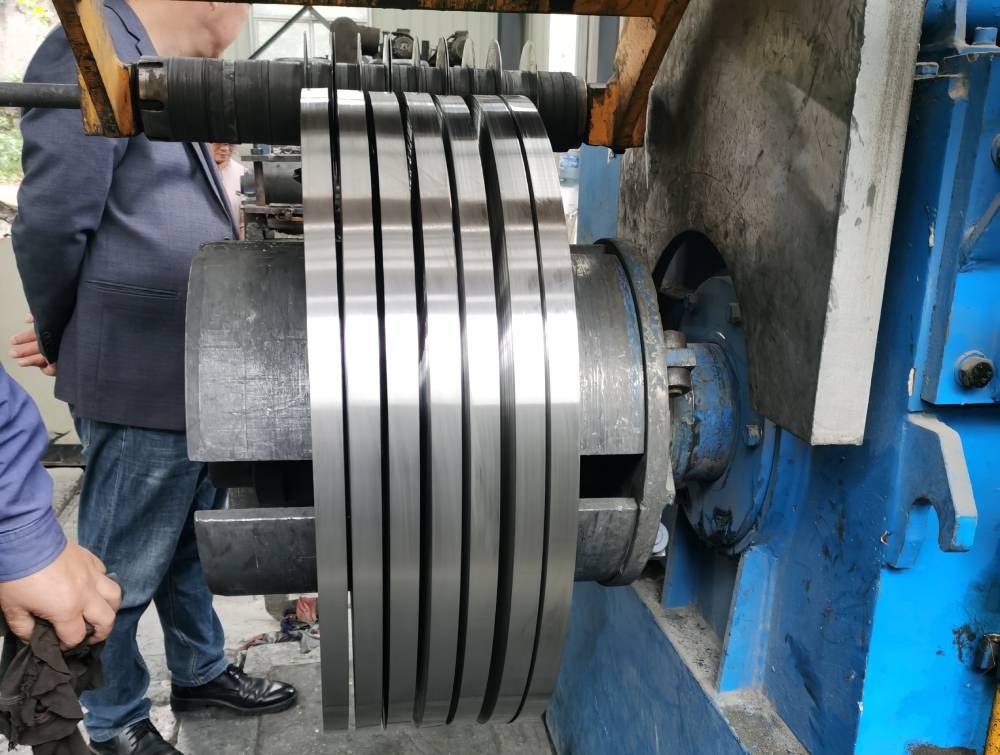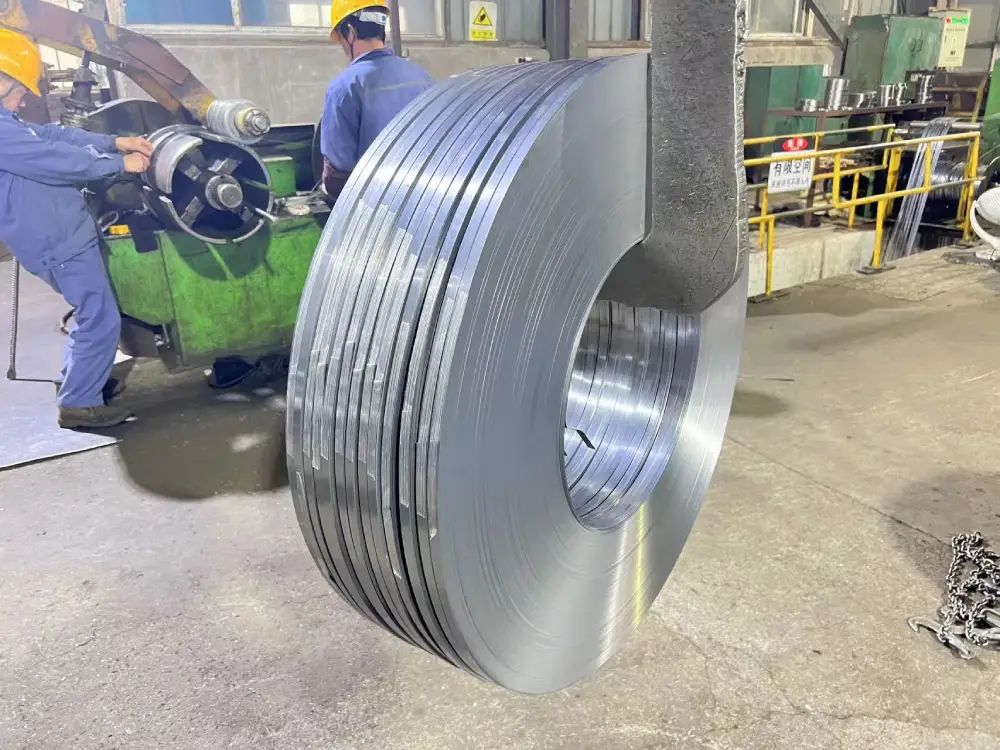
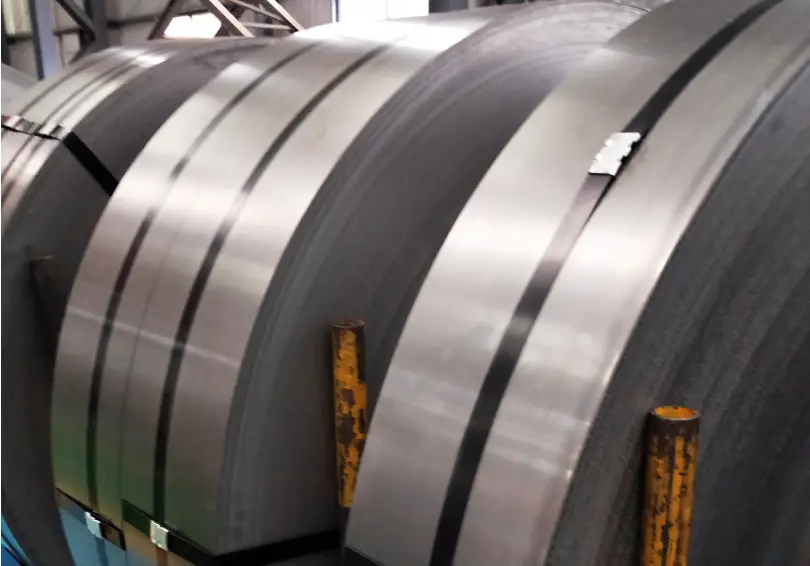
When it comes to selecting high carbon steel strips for industrial applications, one of the most critical considerations is finding the right balance between hardness and toughness. High carbon steel strips are widely used in industries such as automotive, sự thi công, and tool manufacturing due to their exceptional strength and durability. Tuy nhiên, choosing the wrong balance of hardness and toughness can lead to premature failure, increased costs, and operational inefficiencies.
Trong blog này, we’ll explore the key factors to consider when selecting high carbon steel strips, how to balance hardness and toughness, and why this balance is crucial for your application.
Understanding Hardness and Toughness
What is Hardness?
Hardness refers to a material’s ability to resist deformation, wear, and abrasion. In high carbon steel strips, hardness is typically achieved through heat treatment processes such as quenching and tempering. Higher hardness levels are ideal for applications where wear resistance is critical, such as cutting tools, Lưỡi dao, and springs.
What is Toughness?
Độ dẻo dai, on the other hand, is the ability of a material to absorb energy and withstand impact without fracturing. Toughness is essential for applications where the material is subjected to dynamic loads or impacts, such as automotive components or construction tools.
While hardness and toughness are both desirable properties, they often exist in a trade-off relationship. Increasing hardness can reduce toughness, and vice versa. Therefore, finding the right balance is key to ensuring optimal performance.
Key Factors to Consider When Choosing High Carbon Steel Strips
1. Application Requirements
The first step in selecting the right high carbon steel strip is understanding the specific requirements of your application. Ask yourself:
- Will the material be subjected to high wear or abrasion?
- Will it need to withstand impact or dynamic loads?
- What are the environmental conditions (VÍ DỤ., temperature, corrosion exposure)?
Ví dụ, if you’re manufacturing band saw blades, you’ll need a high carbon steel strip with high hardness to maintain a sharp cutting edge. Mặt khác, if you’re producing automotive clutch discs, toughness will be more important to handle repeated stress and impact.
2. Hàm lượng carbon
The carbon content in high carbon steel strips typically ranges from 0.60% ĐẾN 1.00%. Higher carbon content increases hardness but can reduce toughness. For applications requiring a balance of both properties, medium-high carbon steels (VÍ DỤ., C75s, C80s) are often the best choice.
3. Heat Treatment Processes
Heat treatment plays a crucial role in determining the final properties of high carbon steel strips. Common processes include:
- Dập tắt và ôn hòa: This process increases hardness while maintaining a certain level of toughness. It’s ideal for applications like springs and cutting tools.
- Ủ: Annealing softens the steel, improving toughness and machinability. It’s often used for components that require further shaping or bending.
4. Thickness and Width
The dimensions of the steel strip also affect its performance. Thicker strips generally offer higher strength but may be less flexible. For applications requiring both strength and flexibility, such as rolling shutter springs, thinner strips with precise tolerances are preferred.
5. Surface Finish and Edge Treatment
The surface finish and edge treatment can impact both hardness and toughness. Ví dụ:
- Polished surfaces reduce friction and wear, enhancing hardness.
- Rounded edges improve toughness by reducing stress concentrations.
Balancing Hardness and Toughness: Practical Tips
1. Match Material Grade to Application
Choose a high carbon steel grade that aligns with your application’s needs. Ví dụ:
- C67S and C75S: Ideal for rolling shutter springs, offering a good balance of hardness and toughness.
- C80S and C95S: Suitable for high-wear applications like saw blades and cutting tools.
2. Optimize Heat Treatment
Work with your supplier to customize the heat treatment process based on your requirements. For instance, a lower tempering temperature can increase hardness, while a higher temperature improves toughness.
3. Conduct Performance Testing
Before finalizing your choice, conduct performance tests to evaluate the steel strip’s hardness, độ dẻo dai, and overall suitability for your application. Common tests include Rockwell hardness testing and Charpy impact testing.
4. Consult with Experts
If you’re unsure about the best material for your needs, consult with a trusted supplier like Jiaxiao MTC. Với hơn 20 years of experience in high carbon steel strip production, we can help you select the right product and optimize its properties for your application.
Why Choose Jiaxiao MTC for High Carbon Steel Strips?
Tại jiaxiao MTC, we specialize in manufacturing high-quality high carbon steel strips tailored to your specific requirements. Our advanced production facilities and rigorous quality control processes ensure that every product meets the highest industry standards. Whether you need high hardness for cutting tools or superior toughness for automotive components, we’ve got you covered.
Our Key Offerings:
- Customized Solutions: We offer a wide range of high carbon steel grades, including C67S, C75s, C80s, and C95S, with customizable hardness and toughness levels.
- Precision Manufacturing: Our state-of-the-art equipment ensures tight tolerances and consistent quality.
- Expert Support: Our team of technical experts is always available to provide guidance and support.
Phần kết luận
Choosing the right high carbon steel strip requires a careful balance between hardness and toughness. By understanding your application requirements, optimizing material selection, and leveraging expert support, you can ensure optimal performance and longevity for your products.
Tại jiaxiao MTC, we’re committed to helping you achieve this balance. Contact us today to learn more about our high carbon steel strips and how we can support your business.