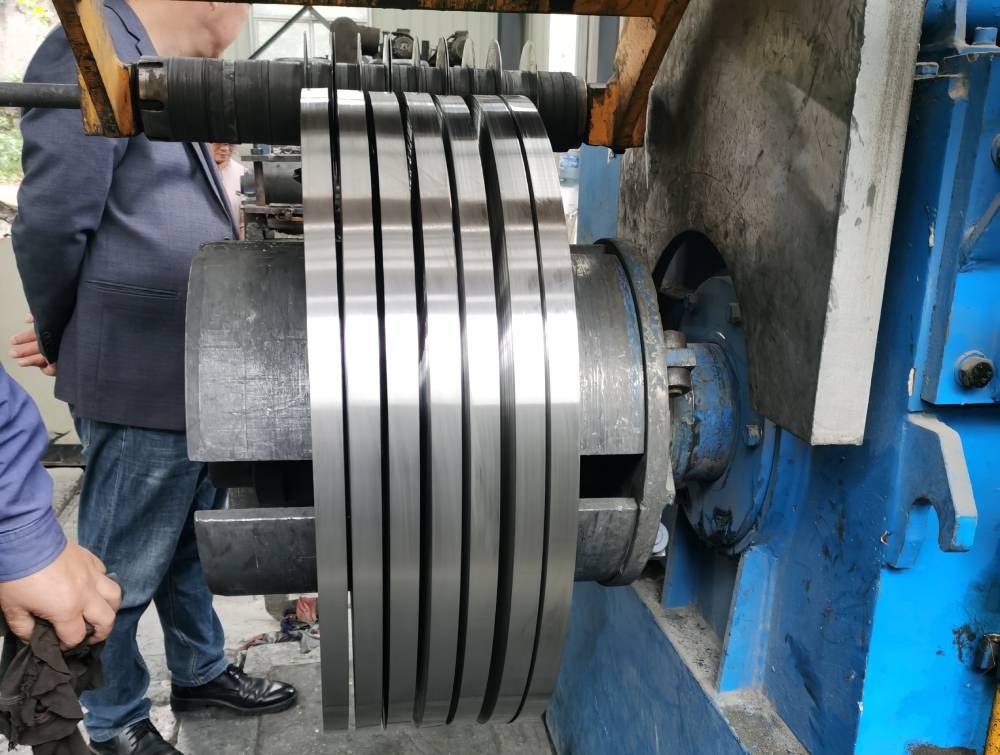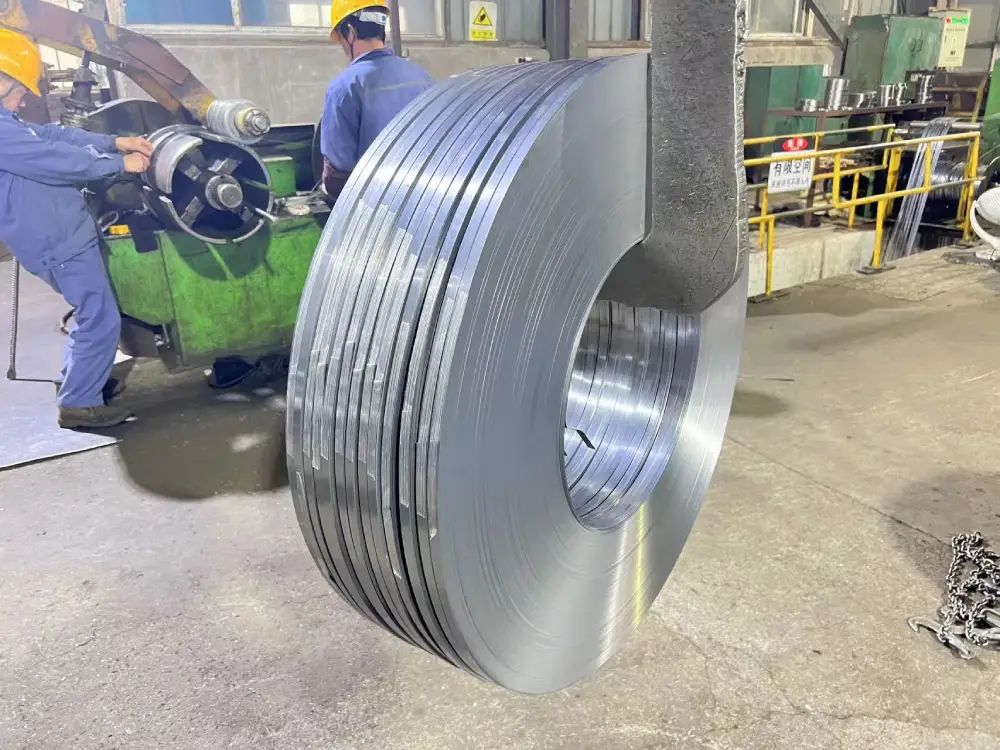
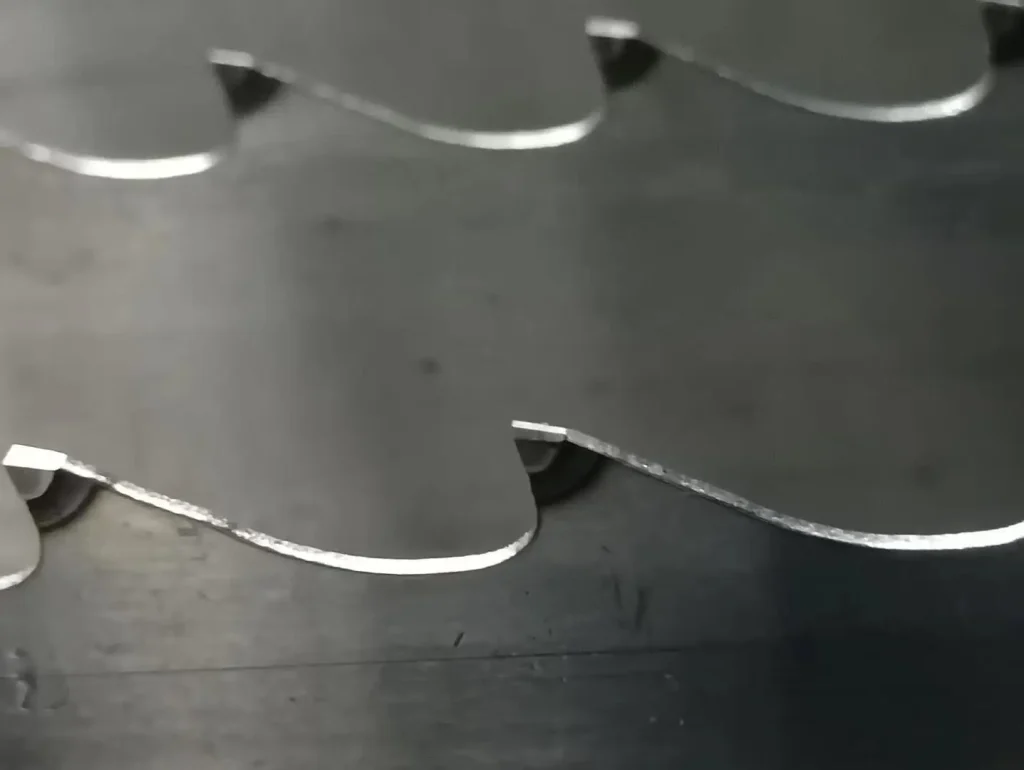
In blade manufacturing, using heat-treated steel strips is essential to create durable, high-performance cutting tools. From industrial saws to kitchen knives, blades require specific properties, especially hardness and wear resistance, to perform effectively. Through processes like quenching, закалка, and annealing, steel strips are transformed to reach these demanding standards. Let’s explore how heat treatment impacts steel strip properties, making blades tougher, sharper, and longer-lasting.
Understanding Heat Treatment for Blade Steel Strips
Термическая обработка is a controlled process of heating and cooling metal to change its physical and mechanical properties. For steel strips in blade manufacturing, the goal is to improve hardness and wear resistance without sacrificing flexibility. Here’s how key heat treatment methods enhance these critical qualities:
- закалка
This process involves heating steel to a specific temperature and then cooling it rapidly in water, масло, or air. Quick cooling creates a martensitic structure, greatly increasing hardness and making the blade surface more resistant to wear. - Закалка
После закалки, steel can become brittle. Tempering involves heating the steel to a moderate temperature to reduce brittleness but keep the hardness. This helps ensure blades won’t fracture under stress, giving them the toughness they need. - Отжиг
In contrast to quenching, annealing softens the steel by heating it to a high temperature and then cooling it slowly. This makes the steel more ductile and workable, which is especially helpful when complex blade shapes need forming.
Benefits of Heat-Treated Steel Strips in Blade Manufacturing
Heat-treated steel strips offer several advantages that make them ideal for blade manufacturing:
- Increased Durability
Hardness and wear resistance help blades last longer and perform better under tough conditions, making them suitable for rigorous applications. - Reduced Maintenance
Heat-treated blades hold their edge longer, so they don’t require frequent sharpening, which cuts down on maintenance time and costs. - Improved Consistency
Uniform hardness across the blade contributes to consistent performance, essential in applications requiring precise cutting.
Factors Influencing Heat Treatment of Steel Strips for Blades
Heat treatment effectiveness depends on several factors:
- Material Composition
Steel with high carbon content, such as SK5 or M42, responds well to heat treatment. These materials can reach high hardness levels, ideal for blades. - Temperature Control
Precise temperature control is crucial. Overheating the steel can make it overly brittle, while underheating might leave it too soft. - Cooling Rate
The cooling rate affects the final structure of the steel. Rapid cooling leads to harder, though sometimes more brittle steel, while slow cooling increases ductility. The right balance helps to achieve both hardness and toughness.
FAQs on Heat-Treated Steel Strips and Blade Manufacturing
Q1: Why is heat treatment important for steel strips used in blades?
Heat treatment enhances hardness, прочность, и износостойкость, creating blades that are sharp, прочный, and resilient under heavy use.
Q2: What effect does quenching have on blade performance?
Quenching hardens the steel by rapid cooling, forming a hard martensitic structure that boosts wear resistance, which is essential for heavy-duty blades.
Q3: Why temper steel after quenching?
Tempering reduces brittleness from quenching, keeping the steel hard while improving its toughness. This process ensures blades are durable and less likely to break.
Q4: How does annealing benefit the blade-making process?
Annealing softens the steel, making it easier to shape. This is useful for intricate blade designs and also improves the stability of the final product.
Q5: How does carbon content affect heat treatment results in blades?
Higher carbon steels can achieve greater hardness with heat treatment, which makes them excellent for blades that need to maintain a sharp edge, like SK5 and M42 steels.
Q6: Can heat treatment affect a blade’s edge retention?
Да. Properly heat-treated blades have better edge retention due to increased hardness and wear resistance, meaning they stay sharp longer.
Q7: Are specific heat treatments better for different types of blades?
Да. Industrial blades often require stronger quenching and tempering to maximize hardness, while general-use blades may undergo milder treatments for improved toughness.
Q8: What hardness level is ideal for heat-treated blade steel?
The ideal hardness depends on the blade’s application, but a Rockwell hardness of HRC 55-65 is generally suitable for industrial and commercial blades, balancing hardness and toughness.
Q9: How do manufacturers check the hardness of heat-treated steel strips?
Most manufacturers use Rockwell or Vickers hardness tests to confirm that the steel meets required standards for blade production.
Q10: Can heat-treated steel strips be used in other applications besides blades?
Да, heat-treated steel strips are also essential in making springs, hand tools, and automotive parts that need high strength and durability.
Заключение
Полосы из термообработанной стали play a central role in blade manufacturing, delivering the needed hardness, прочность, and wear resistance for demanding cutting applications. Through processes like quenching, закалка, and annealing, manufacturers can customize steel strip properties to suit specific blade needs. For industries reliant on cutting tools, using heat-treated steel strips results in blades that perform consistently, stay sharp longer, and require less maintenance.
Mastering heat treatment techniques for steel strips not only elevates blade quality but also sets a high standard for durability and performance in the cutting tool industry.