
Steel coils are essential in industries ranging from construction to automotive manufacturing, offering a convenient way to transport and store large quantities of steel. Однако, unrolling steel coils requires precision, proper equipment, and safety precautions to ensure the material is handled correctly. В этом блоге, we will explore the step-by-step process of how steel coils are unrolled, discuss the equipment used, and highlight important safety measures.
1. The Importance of Proper Uncoiling
Steel coils are rolled under immense pressure, meaning they store a significant amount of tension. Improper handling or unrolling can lead to dangerous accidents or damage to the material. Proper uncoiling not only ensures worker safety but also maintains the integrity of the steel, preventing deformation or scratches that can impact its usability in further processing.
2. Key Equipment for Unrolling Steel Coils
To unroll steel coils safely and efficiently, specialized equipment is required. Below are the most common tools used:
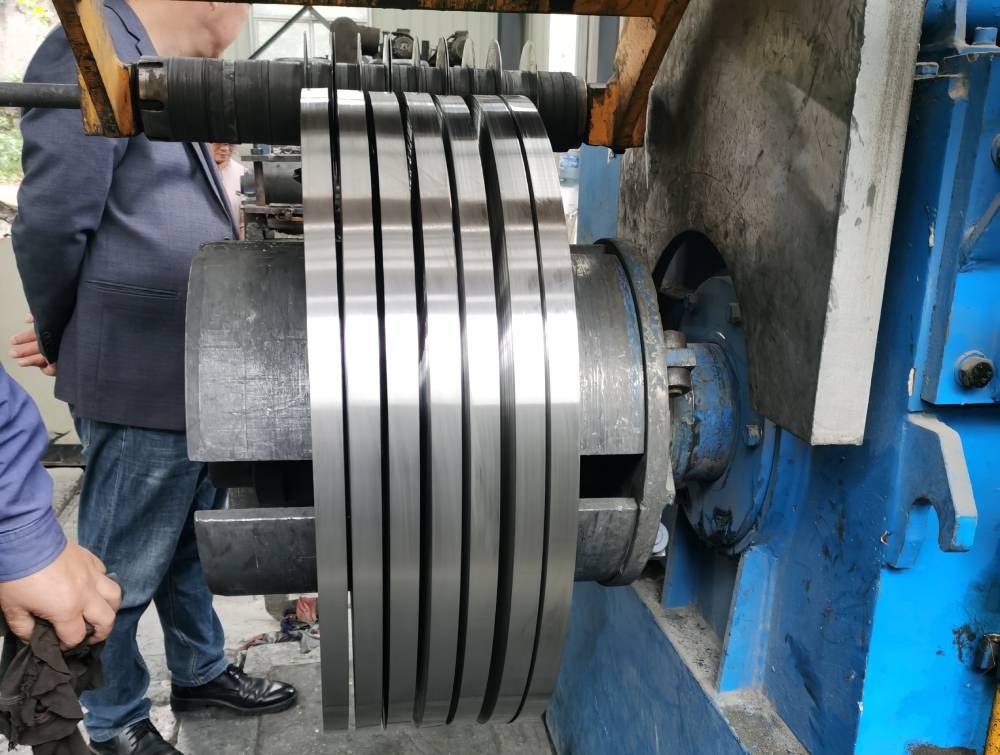
- Decoiler/Uncoiler: A machine specifically designed to unwind steel coils. The coil is loaded onto the uncoiler, which rotates to gradually release the steel.
- Straightener/Leveler: After uncoiling, the steel often passes through a straightener to remove any curvature or warping caused by the coiling process. This ensures a гладкий, flat sheet of steel for further processing.
- Coil Tilter: Some operations use coil tilters to change the coil’s orientation, making it easier to load onto the uncoiler.
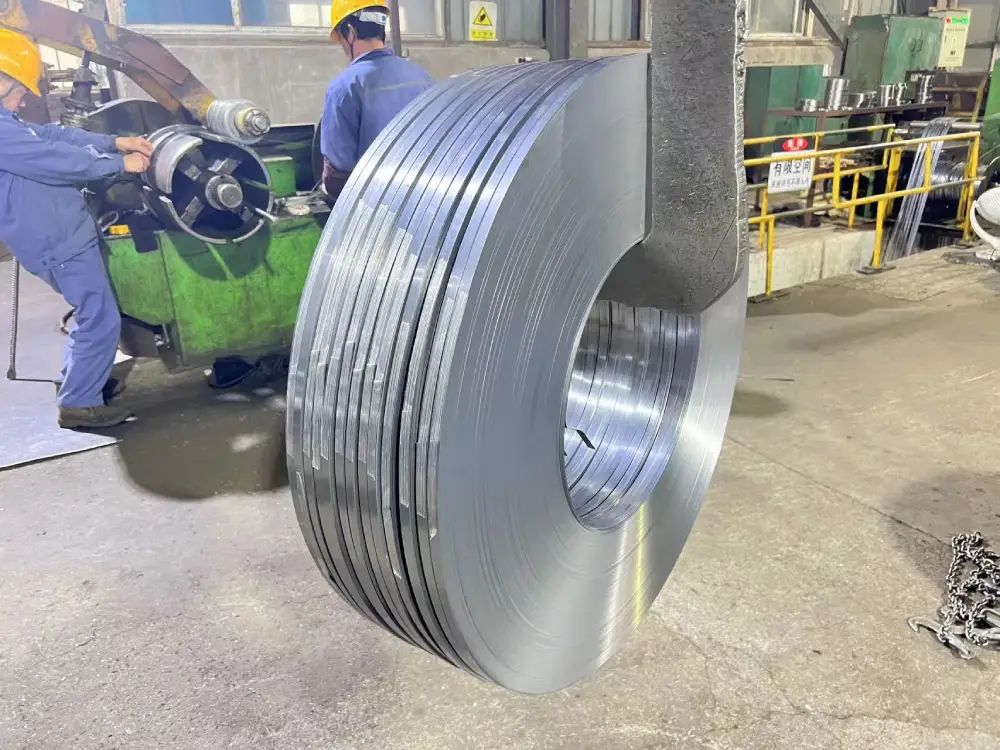
- Cranes/Forklifts: Before the uncoiling process begins, heavy-duty cranes or forklifts are often used to transport the steel coil to the uncoiler.
3. Step-by-Step Process of Unrolling Steel Coils
Step 1: Loading the Coil
The first step in the unrolling process is loading the steel coil onto the uncoiler. Depending on the weight and size of the coil, cranes or forklifts are typically used to place the coil onto the uncoiler’s spindle. This step must be done carefully to prevent any damage to the coil’s edges.
Step 2: Securing the Coil
Once the coil is loaded, it is securely fastened to the uncoiler. The machine has a gripping mechanism that holds the coil tightly in place, ensuring it won’t slip or move during the unrolling process.
Step 3: Initiating the Uncoiling Process
The uncoiler slowly begins to rotate, unrolling the steel sheet in a controlled manner. Depending on the application, the speed of the uncoiler can be adjusted. In many cases, the uncoiling process is synchronized with additional machinery, such as cutters, slitters, or straighteners, to streamline production.
Step 4: Straightening the Steel
As the steel sheet unrolls, it may pass through a straightener or leveler to eliminate any bends or curves caused by the coiling process. This ensures the steel is perfectly flat, especially important for precision applications like automotive panels or construction materials.
Step 5: Feeding Into the Production Line
Once unrolled and straightened, the steel sheet is typically fed directly into a production line. This could involve cutting, stamping, or forming the steel into the desired shape or size. The uncoiler continues to release the coil in sync with the production machinery, ensuring a smooth, continuous operation.
4. Safety Measures for Unrolling Steel Coils
Unrolling steel coils can be dangerous if not handled properly. The weight and stored tension in the coil present significant hazards. Here are essential safety measures to follow:
- Proper Training: Workers should receive thorough training on how to operate the uncoiler, use lifting equipment, and handle steel coils.
- Personal Protective Equipment (PPE): Safety gear such as gloves, helmets, and steel-toed boots should always be worn to minimize the risk of injury.
- Controlled Uncoiling: Uncoiling should be done at a controlled speed to prevent the coil from suddenly unwinding, which could lead to accidents or damage.
- Load Limits: Never exceed the weight limit of the uncoiler or the lifting equipment used to transport the steel coil. This can lead to mechanical failure and accidents.
5. Common Applications for Uncoiled Steel
Once the steel coil is unrolled, it is used in a variety of industries:
- Автомобильная промышленность: Steel sheets are formed into car bodies, frames, and other components.
- Строительство: Uncoiled steel is used to manufacture beams, panels, and structural reinforcements.
- Manufacturing: Steel sheets are utilized in the production of household appliances, промышленное оборудование, and tools.
- Упаковочная промышленность: Thin steel sheets are used in the creation of packaging materials, such as cans and containers.
Заключение: Ensuring Efficiency and Safety in Steel Coil Unrolling
Unrolling steel coils is a crucial process in industrial operations, requiring precise equipment and strict safety measures. By using tools like uncoilers, straighteners, and cranes, companies can ensure that their steel coils are unrolled smoothly and efficiently, without risking damage or injury. Whether it’s for automotive, строительство, or manufacturing purposes, understanding the best practices for unrolling steel coils can improve both production efficiency и workplace safety.