Steel coils are a fundamental material used across various industries, from automotive manufacturing to construction. These coils are formed through an intricate process that begins with raw materials and ends with perfectly coiled steel ready for further use. In this blog, we will explore the key steps involved in manufacturing steel coils, highlighting the critical processes such as casting, rolling, and coiling. We will also discuss the different types of steel coils, focusing on hot-rolled, cold-rolled, et galvanized steel.
1. Raw Material Preparation
The process of making steel coils starts with raw materials, primarily iron ore, coal, et limestone. These materials are processed in a blast furnace, where iron ore is converted into molten iron. This molten iron, often called “pig iron,” contains impurities that must be removed before steel production can begin.
In modern steelmaking, the Basic Oxygen Furnace (BOF) ou Electric Arc Furnace (EAF) is used to purify the molten iron by removing impurities and adding controlled amounts of carbon, manganese, and other elements to produce steel with the desired properties.
2. Casting
Once the molten steel is refined, the next step is casting, where it is solidified into semi-finished forms known as slabs, blooms, or billets. For steel coil production, the steel is typically cast into wide slabs. These slabs are the foundation for creating steel sheets and coils.
Continuous casting is the most common method used in modern steel mills, where molten steel is poured into a mold and cooled rapidly to form solid slabs, which are then cut into appropriate lengths.
3. Hot Rolling
After casting, the steel slabs are reheated to high temperatures (usually around 1100°C or 2012°F) and passed through a series of hot rolling mills. This process reduces the thickness of the steel slab and shapes it into long, thin sheets.
During hot rolling, the steel is still malleable, allowing it to be rolled into the desired thickness without cracking. The resulting hot-rolled steel is typically thicker, rougher, and more suitable for applications that don’t require a perfectly smooth surface, such as in structural or industrial projects.
The hot-rolled steel is then cooled and coiled into large rolls, ready for further processing or shipment.
4. Cold Rolling
For applications requiring a smoother surface et tighter tolerances, the steel undergoes an additional process known as laminage à froid. In this process, the hot-rolled steel coils are pickled in acid to remove surface oxides and then passed through cold rollers at room temperature. This process reduces the thickness even further and improves the steel’s surface finish.
Cold rolling also increases the steel’s strength and hardness, making it ideal for applications like automotive body panels, appliances, et precision tools. The cold-rolled steel is coiled again and can be sold as-is or further processed depending on the requirements.
5. Galvanizing (Optional)
To enhance the corrosion resistance of steel coils, many manufacturers apply a zinc coating in a process called galvanizing. This step is particularly important for steel coils used in outdoor or harsh environments, such as roofing, construction, and automotive parts.
In galvanizing, the steel coil is dipped into a bath of molten zinc, which bonds with the surface to form a protective layer. The resulting galvanized steel coils are highly resistant to rust and oxidation, making them an excellent choice for applications that require durability and longevity.
6. Coiling
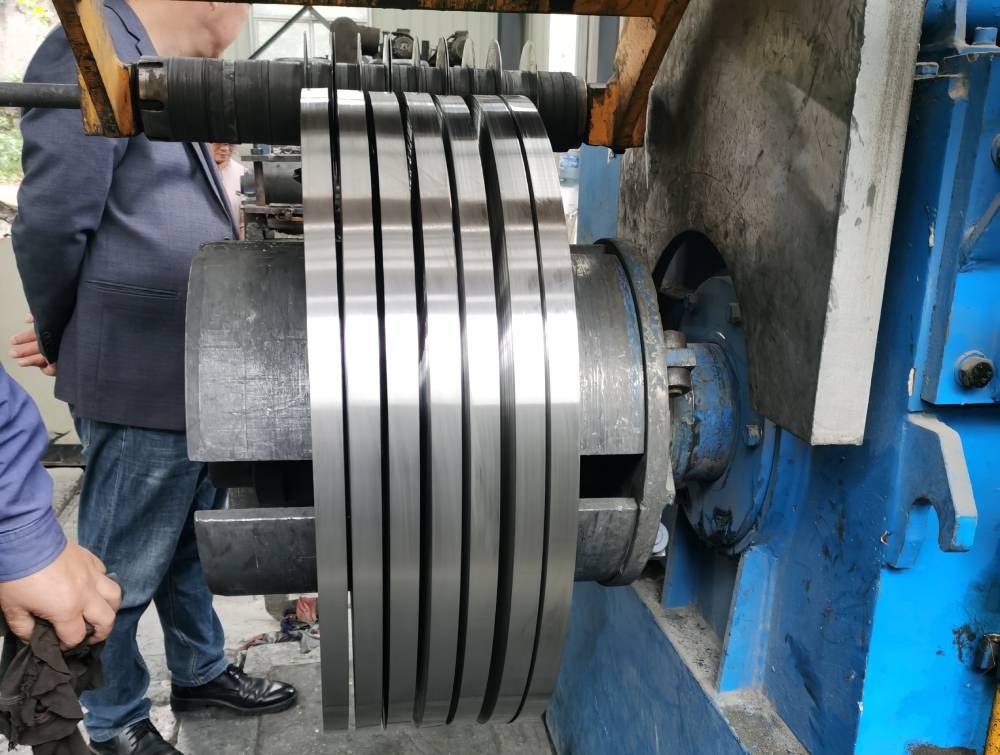
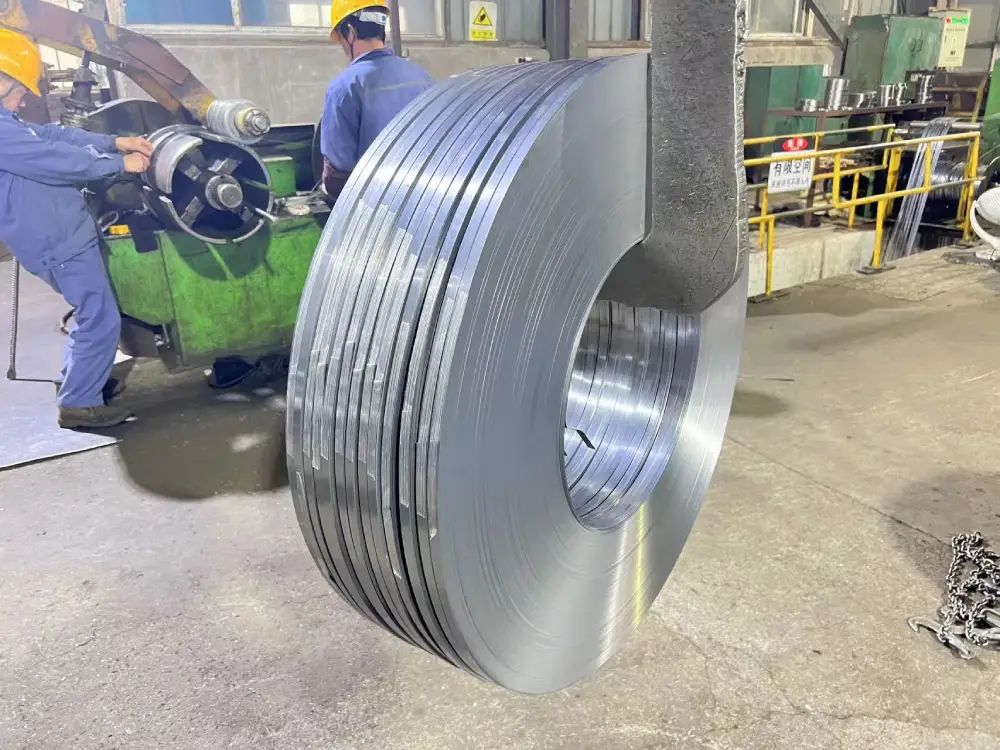
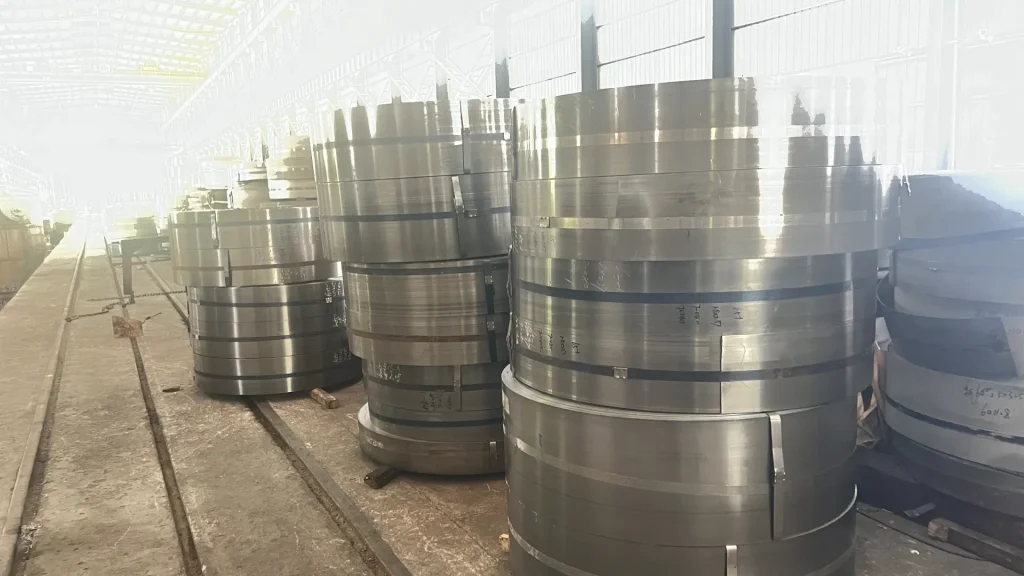
Once the steel has undergone its final rolling and any optional processes like galvanizing, it is coiled into large rolls for easy handling, transportation, and storage. Steel coils are produced in various widths, thicknesses, and grades, depending on the intended application.
Coiling allows manufacturers to store and ship steel in a compact form, reducing transportation costs and making it easier for customers to uncoil and process the steel in their own facilities.
7. Quality Control and Inspection
Throughout the entire process, quality control is critical to ensuring that the steel meets industry standards and customer specifications. Manufacturers perform various tests, y compris tensile strength, thickness measurements, et surface inspections to guarantee that the steel coils are defect-free and possess the required mechanical properties.
Types of Steel Coils
Different types of steel coils are produced based on the rolling and finishing processes used:
- Hot-Rolled Steel Coils: Thick, rough-surfaced coils ideal for construction and industrial applications.
- Cold-Rolled Steel Coils: Thin, smooth-surfaced coils used in automotive, appliance, and precision tools.
- Galvanized Steel Coils: Zinc-coated coils offering enhanced corrosion resistance for outdoor and exposed environments.
Conclusion
The production of steel coils involves a complex series of steps, from refining raw materials to rolling and coiling the steel for various applications. Whether it’s hot-rolled, cold-rolled, ou galvanized, steel coils play an integral role in countless industries, providing the raw material for everything from cars to construction beams.
Understanding how steel coils are made can help businesses and consumers appreciate the value of this versatile product and make informed decisions when selecting materials for their projects.