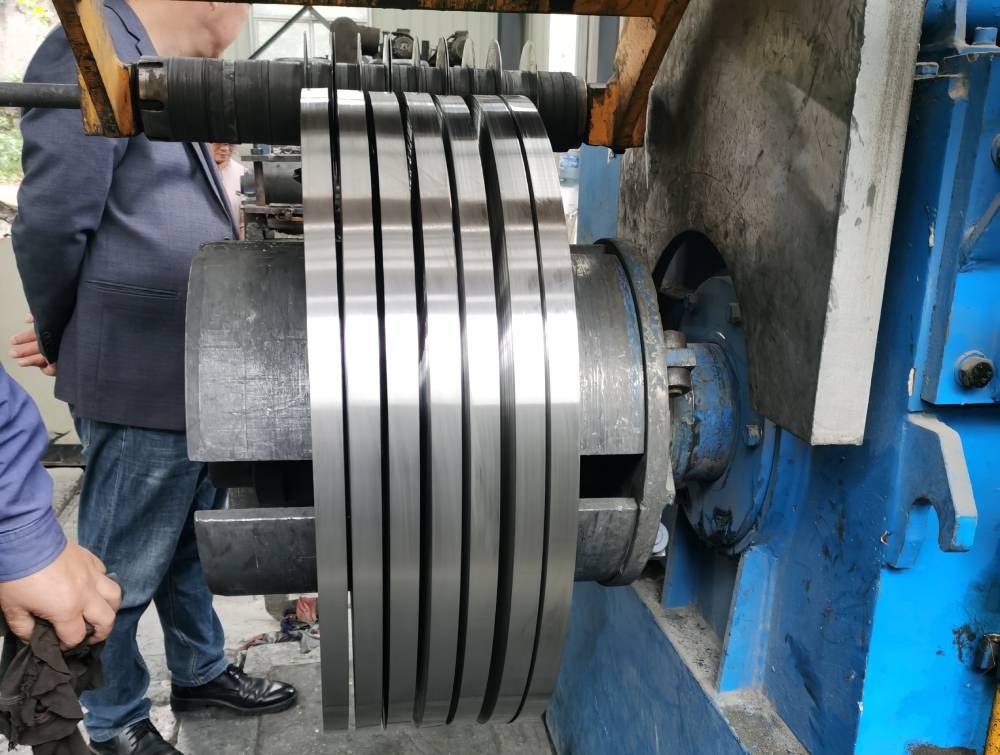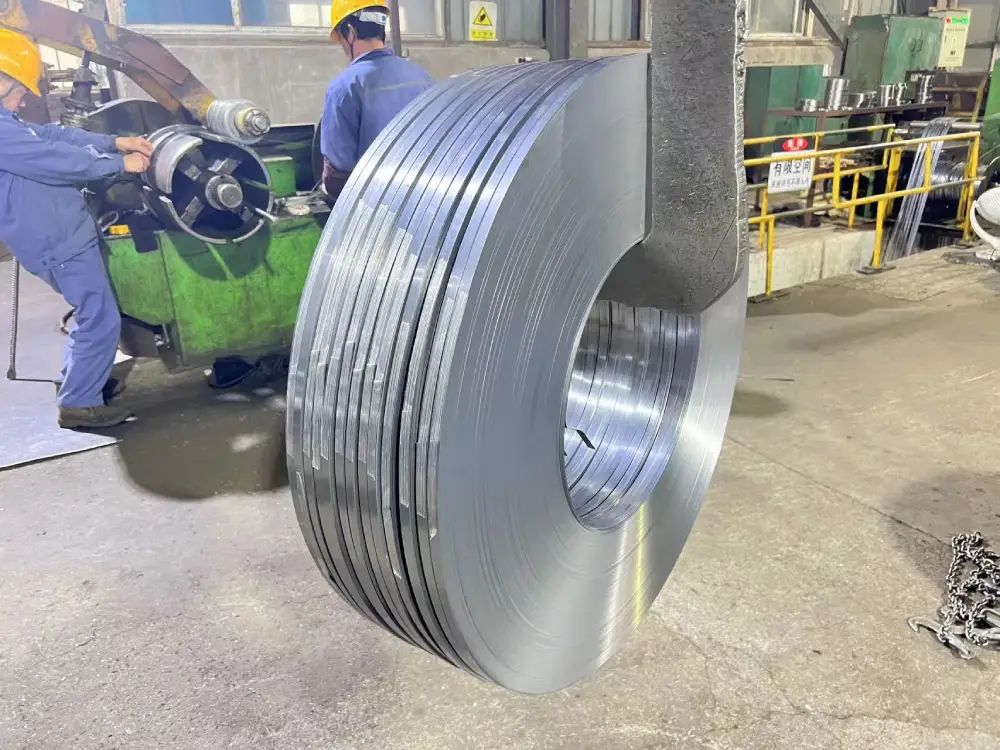
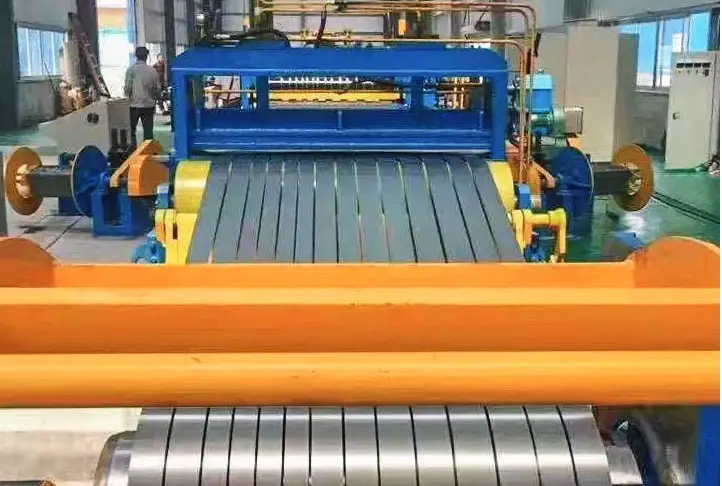
Driven by global manufacturing intelligence and sustainable development, the steel strip production industry is undergoing an unprecedented technological transformation. As a leading supplier of high-precision steel strips, Guangzhou Jiaxiao Material Technology Co., Ltd. (Jiaxiao MTC) has secured a significant position through mature process systems and stringent quality control. However, increasing demands for efficiency, customization, and environmental sustainability push the industry toward deep integration of automation, smart manufacturing, and innovative materials.
Key Trends Shaping the Future of Steel Strip Production
1. Comprehensive Adoption of Automation and Smart Manufacturing
Traditional steel strip production involves complex processes such as acid washing, cold rolling, annealing, and hardening/tempering, which historically relied on manual operations. The future will focus on full-scale automation and intelligent production systems:
- Robotic Collaboration: Industrial robots in acid washing, slitting, and polishing reduce human intervention, enhancing safety and precision.
- AI-Driven Process Optimization: Real-time sensor data (e.g., cold-rolled thickness, annealing temperature) allows AI algorithms to optimize parameters, minimizing energy consumption and ensuring precision with a ±0.015mm thickness tolerance.
- Digital Twin Technology: Virtual production lines simulate real-world conditions, predicting equipment failures and defects to reduce downtime.
2. Advanced Processes and High-Performance Materials
To meet stringent automotive and high-end tooling demands, steel strip manufacturers are advancing process innovation:
- 4-High Reversing Cold Rolling Technology: Enables mass production of ultra-thin steel strips (0.08–0.15mm) while ensuring superior surface flatness (P4-grade: ±0.1%).
- Precision Heat Treatment: Smart temperature-controlled annealing furnaces under inert gas protection reduce decarbonization risks, enhancing hardness (30–55 HRC) and toughness.
- Composite Alloy Development: Tailored R&D for alloy steel strips (e.g., 50CrV4, 60Si2Mn) improves fatigue resistance and corrosion durability.
3. Data-Driven Lifecycle Management for Steel Strip Manufacturing
Enhancing transparency and efficiency through digital transformation:
- Blockchain-Enabled Digital Supply Chains: Ensures traceability of ISO-certified raw materials and product quality.
- Smart Quality Inspection: Machine vision systems detect surface defects (e.g., oxidation residues, burrs), while real-time hardness (HV) and tensile strength (Rm) analysis replaces traditional sampling.
- Cloud-Based Customization Platforms: Customers can submit custom steel strip specifications (width 2–1250mm, hardness requirements) online, automating production planning and order tracking.
4. Green Manufacturing and Sustainability in Steel Strip Production
Environmental regulations are pushing steel manufacturers to adopt cleaner and more sustainable production methods:
- Acid-Free Cleaning Innovations: Laser descaling replaces traditional acid washing, reducing wastewater discharge.
- Waste Heat Recovery: Converts annealing furnace exhaust heat into electricity, significantly lowering energy consumption.
- Circular Economy Initiatives: Encourages steel strip recycling to align with global carbon neutrality goals.
5. Expanding Applications of Steel Strips in Emerging Industries
Advanced steel strip technology is unlocking new applications across industries:
- New Energy Vehicles (NEVs): High-strength, lightweight steel strips improve battery casings and motor springs, enhancing safety and efficiency.
- Wearable Electronics: Ultra-thin stainless steel strips (0.1mm) serve as flexible sensor substrates for smart devices.
- Building-Integrated Photovoltaics (BIPV): Weather-resistant steel strips function as solar mounting materials, combining strength and corrosion resistance.
Conclusion: The Future of Steel Strip Production
The future of steel strip manufacturing is driven by automation, intelligence, and sustainability. Companies like Jiaxiao MTC are leveraging industry trends and technological innovations to secure a pivotal role in the global steel supply chain. The transition from traditional manufacturing to smart manufacturing, coupled with the shift from high-carbon to low-carbon production, will unlock new growth opportunities.