I. Unveiling the Band Saw Blade World
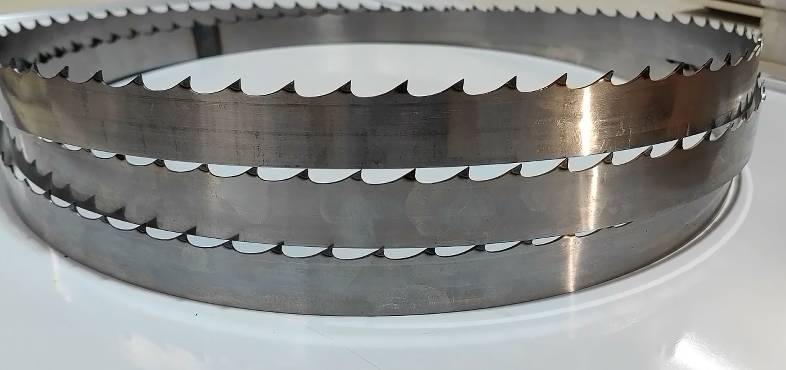
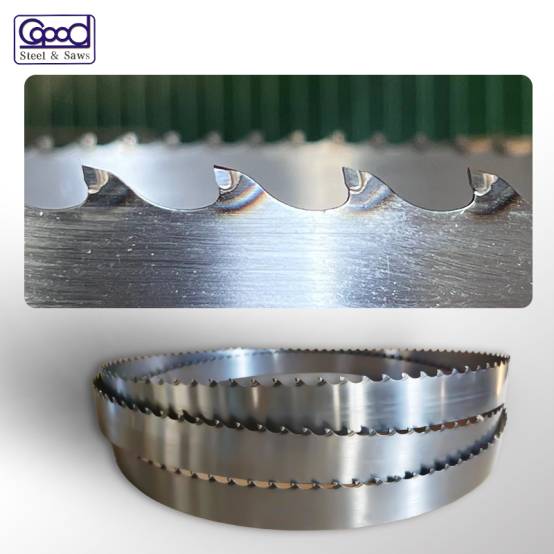
The band saw blade is an indispensable protagonist in a multitude of woodworking, chế biến thực phẩm, and industrial cutting operations, being crafted from specialized tool steel. This article delves deeply into the materials composing these blades, with particular emphasis on carbon steel and alloy steel, both of which play crucial roles in determining the band saw performance characteristics.
II. The Core Elements of Band Saw Blade Steels
1. Carbon Steel: The Backbone of Versatility
Carbon steel serves as the foundation for many bandsaw blades, particularly those designed for general woodworking applications. Comprising primarily of iron, Carbon, and trace amounts of other elements, these steels typically exhibit a carbon content ranging from 0.9% ĐẾN 1.2%. This level of carbon imparts an adequate hardness and wear resistance necessary for tasks involving softwoods, non-abrasive plastics, and non-ferrous metals, while preserving the flexibility essential for efficient blade tracking and reduced vibration.
Jiaxiao MTC specializes in the production of medium to high carbon steels such as CK50, C67, and CK70, as well as select alloy steels and stainless steels, which are utilized in the manufacturing of band saws, cưa lưỡi, and stone frame saw blades.
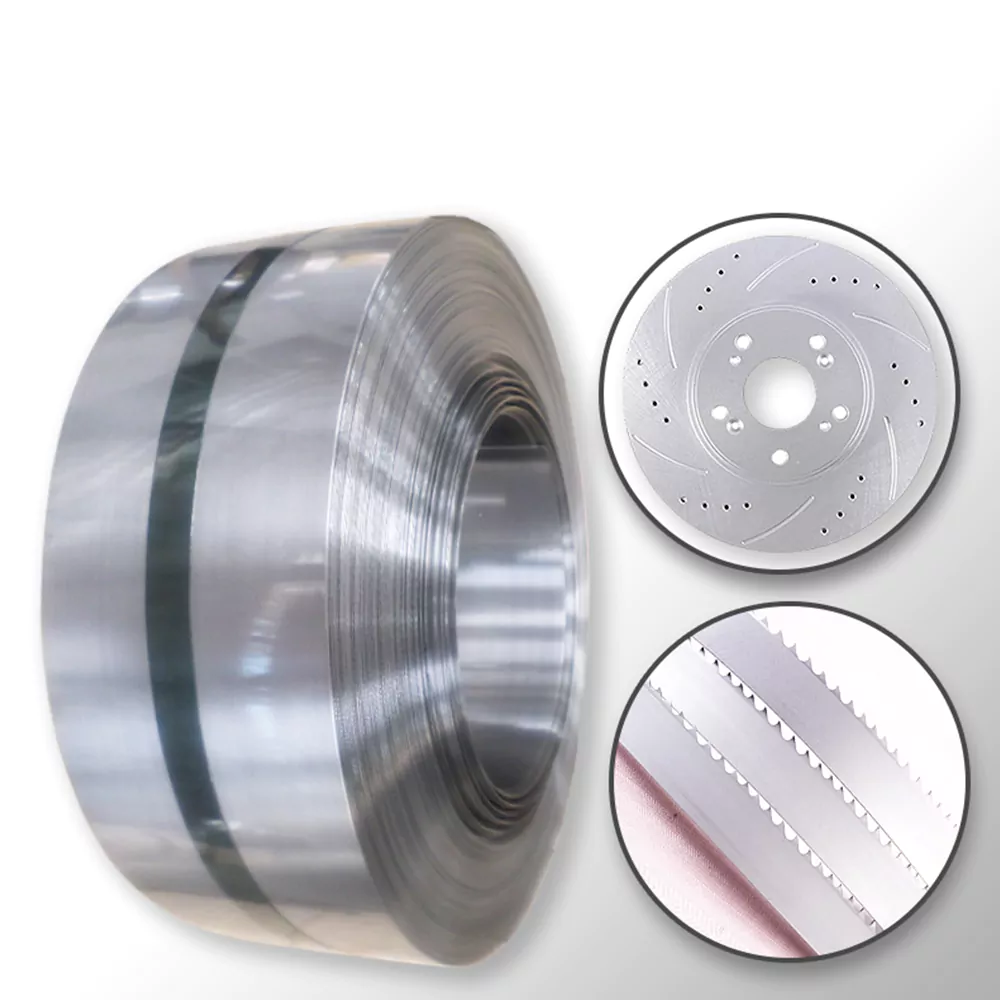
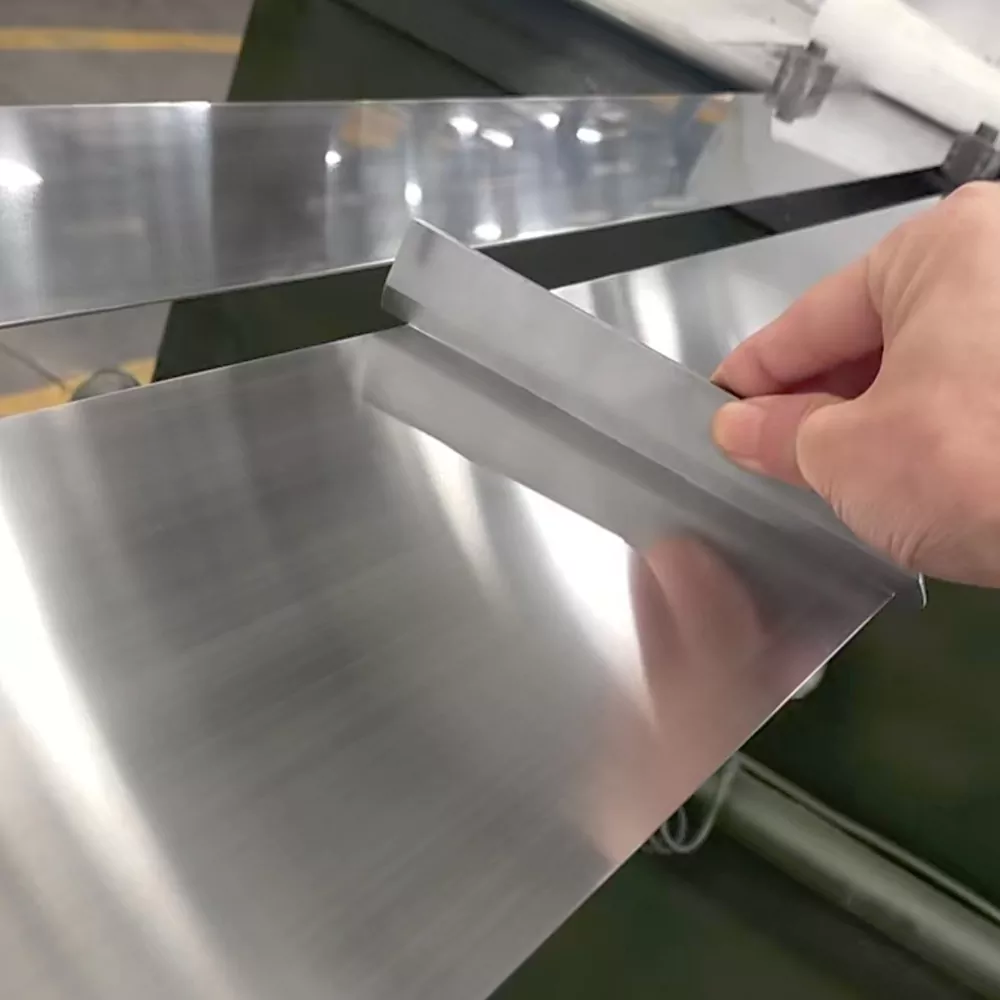
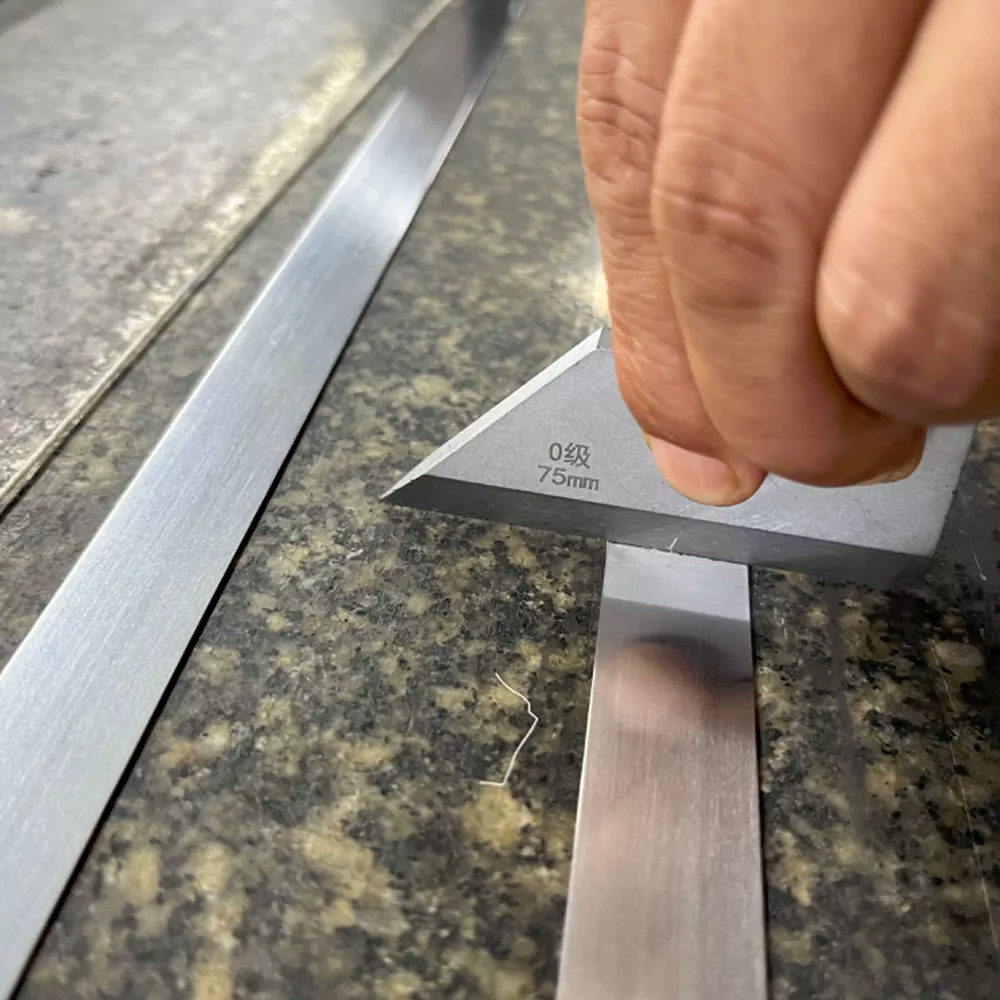
Jiaxiao MTC factory: Cgoodsaws
2. Alloy Steel: The Premium Choice for High-Demand Applications
Alloy steel band saw blades take performance to the next level by incorporating additional alloying elements such as chromium (Cr), molybdenum (Mo), tungsten (W), and vanadium (V.). These alloys enhance the steel’s properties in specific ways:
- Chromium increases corrosion resistance and hardness, making the blades perfect for humid environments and applications involving acidic or alkaline substances.
- Molybdenum boosts strength, độ dẻo dai, và đeo điện trở, particularly at high temperatures, making it invaluable for heat-resistant sawing tasks.
- Tungsten contributes to red hardness, allowing blades to maintain their edge even during high-speed cutting or when subjected to significant heat generation.
- Vanadium promotes the formation of fine, hard carbides, improving wear resistance and edge retention.
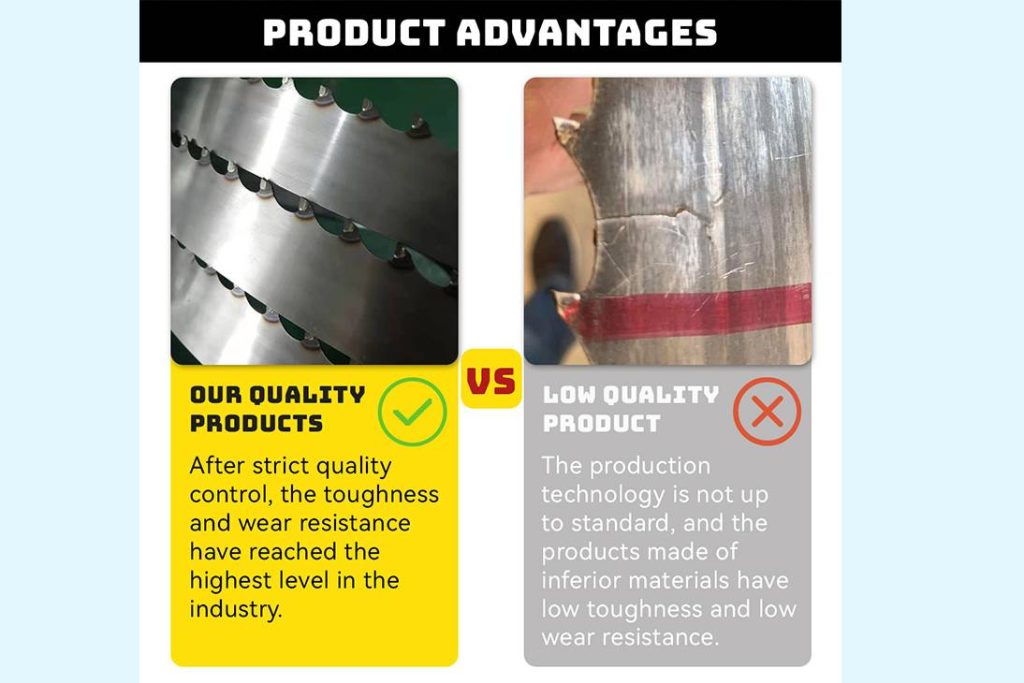
These enhanced properties make alloy steel blades the go-to choice for cutting hardwoods, abrasive composites, stainless steel, and other challenging materials, as well as for applications demanding exceptional precision and longevity.
III. From Raw Material to Perfect Blade: The Manufacturing Process
1. Selecting Raw Materials & Metallurgical Magic
The journey of a band saw blade starts with the careful selection of high-quality raw materials. Electric arc furnace or basic oxygen furnace steelmaking techniques ensure precise control over chemical composition and material purity.
2. Rolling, Welding, & Grinding
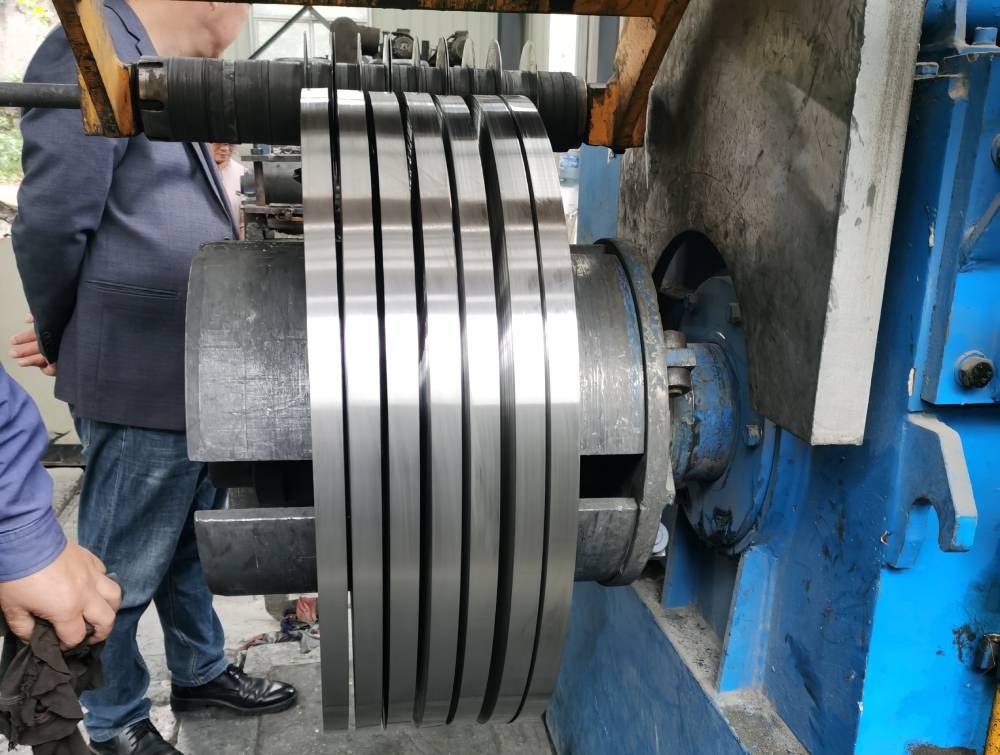
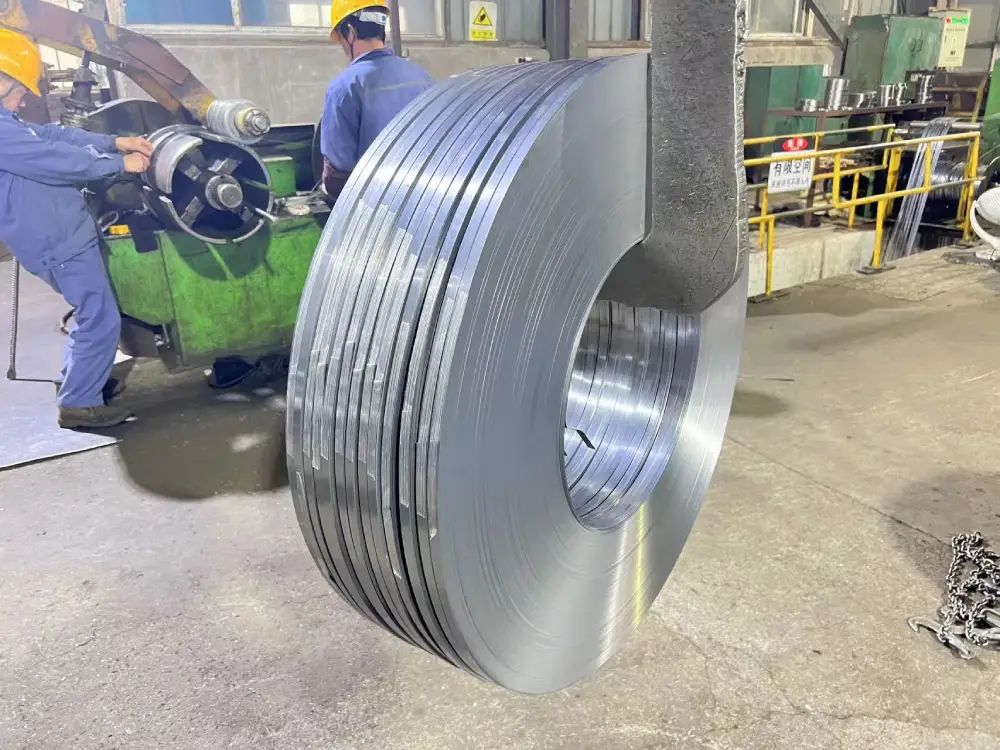
Steel strip is rolled to the desired thickness and width, then joined end-to-end through a precision welding process, often using electron beam welding or laser welding for seamless integration. The resulting continuous loop is ground to exacting tolerances, ensuring uniform thickness and a flat, smooth surface.
3. Điều trị nhiệt & Ủ
Heat treatment plays a critical role in optimizing the blade’s mechanical properties. Quenching rapidly cools the steel, transforming the microstructure to achieve the desired hardness and strength. Subsequent tempering moderates these properties, imparting the right balance of hardness, sức mạnh, and ductility for the intended application.
IV. Band Saw Blades at Work: Industry Applications
1. Woodworking Wonders
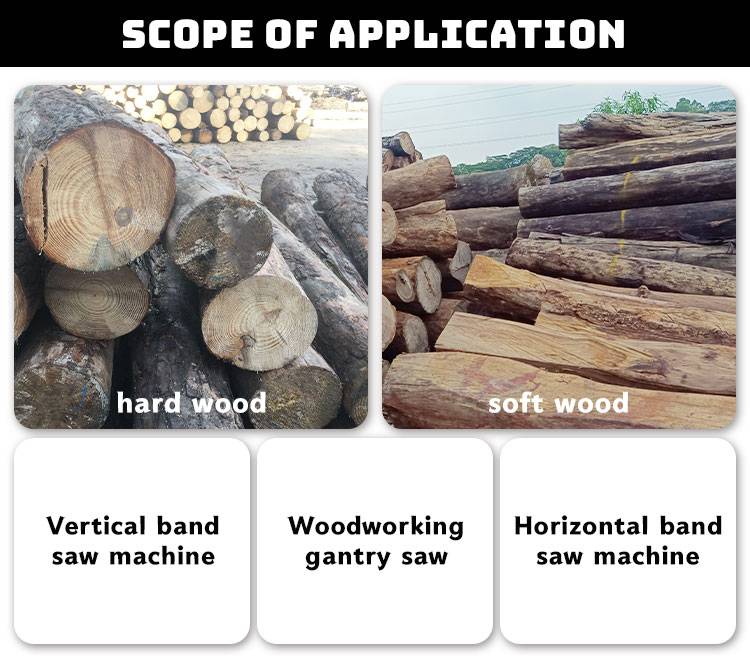
In the realm of woodworking, carbon steel blades excel in handling softwoods and non-abrasive materials, offering cost-effectiveness and ease of resharpening. Ví dụ, a woodworker using a portable band saw to cut through pine boards would likely opt for a carbon steel blade due to its versatility and affordability.
Mặt khác, when dealing with dense hardwoods, exotic species, or composite materials, the superior wear resistance and edge retention of alloy steel blades come into play. A cabinetmaker employing a stationary band saw to cut intricate patterns in teak or maple would rely on an alloy steel blade to maintain precision and minimize blade degradation.
2. Food Processing Excellence
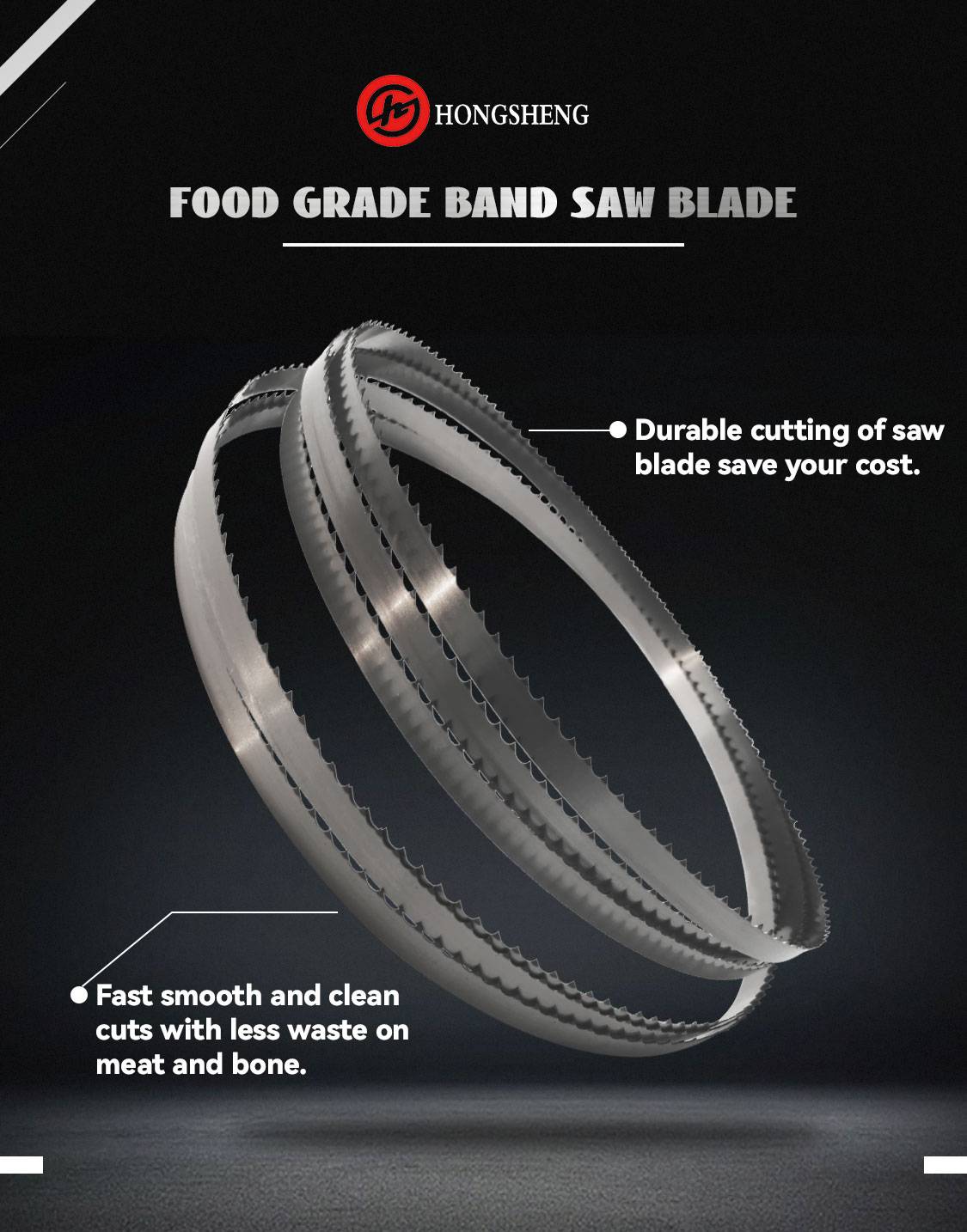
In the food industry, hygiene and corrosion resistance are paramount. Stainless steel alloy blades, fortified with chromium, provide an ideal solution for cutting meat, gia cầm, and seafood, as they resist bacterial colonization and withstand frequent cleaning with harsh sanitizers. A butcher using a vertical band saw to portion beef cuts would utilize a stainless steel blade to ensure both food safety and blade longevity.
3. Industrial Powerhouses
Beyond woodworking and food processing, alloy steel band saw blades are indispensable in metalworking, where they withstand the rigors of cutting through ferrous and non-ferrous metals, as well as in specialized applications like stone cutting and tire recycling. A metal fabricator using a horizontal band saw to slice through thick sections of structural steel would rely on an alloy steel band saw blade with tungsten or molybdenum for its red hardness and wear resistance.
V.. The Future of Band Saw Blade Technology
1. Advanced Surface Treatments
Surface coatings such as titanium nitride (TiN), titanium carbonitride (TiCN), or diamond-like carbon (DLC) can be applied to both carbon and alloy steel blades to further enhance wear resistance, reduce friction, and improve chip evacuation, ultimately prolonging blade life and boosting cutting efficiency.
2. Tailored Blade Designs
Blade manufacturers continually innovate in tooth geometry, variable pitch, and set patterns to tailor blade performance to specific materials and cutting requirements. These optimizations can significantly improve cutting speed, bề mặt hoàn thiện, and blade life, regardless of whether the blade is made from carbon or alloy steel.
VI. Phần kết luận
Band saw blades, crafted from carbon steel and alloy steel, serve as versatile and durable cutting tools across a multitude of industries. Their performance characteristics, shaped by the precise composition of their constituent materials and refined through meticulous manufacturing processes, enable them to tackle an array of materials, from softwoods and meats to hardened metals and abrasive composites. As technology advances, these blades will continue to evolve, pushing the boundaries of precision, hiệu quả, và độ bền, ensuring their enduring relevance in the ever-changing landscape of industrial cutting applications.