Cold rolling plays a crucial role in modern steel production, with different steel grades requiring distinct processing methods due to their unique compositions and properties. These process variations not only affect the final performance of the steel but also determine its application potential across various industries. This article will delve into the cold rolling processes employed for different steel grades and their impacts.
Overview of Cold Rolling Processes
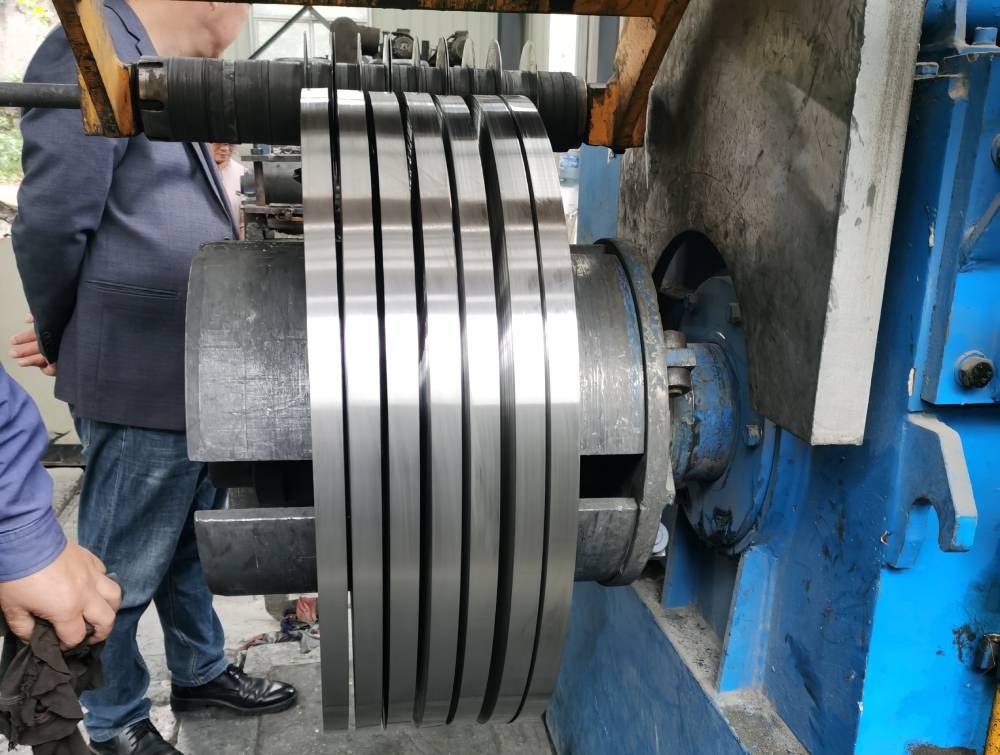
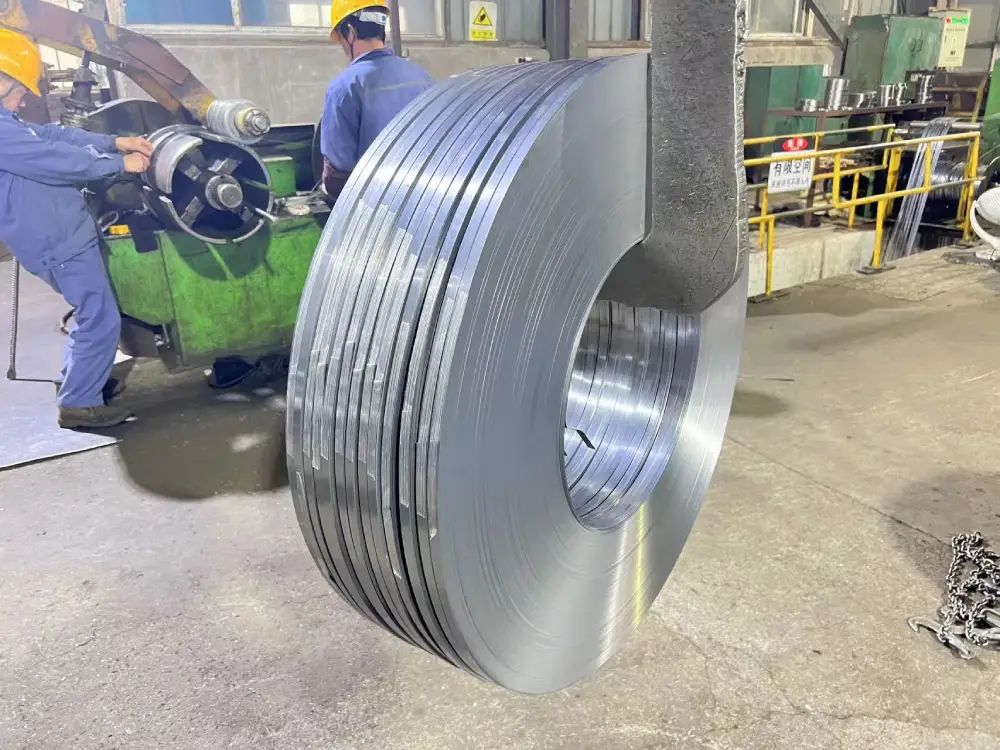
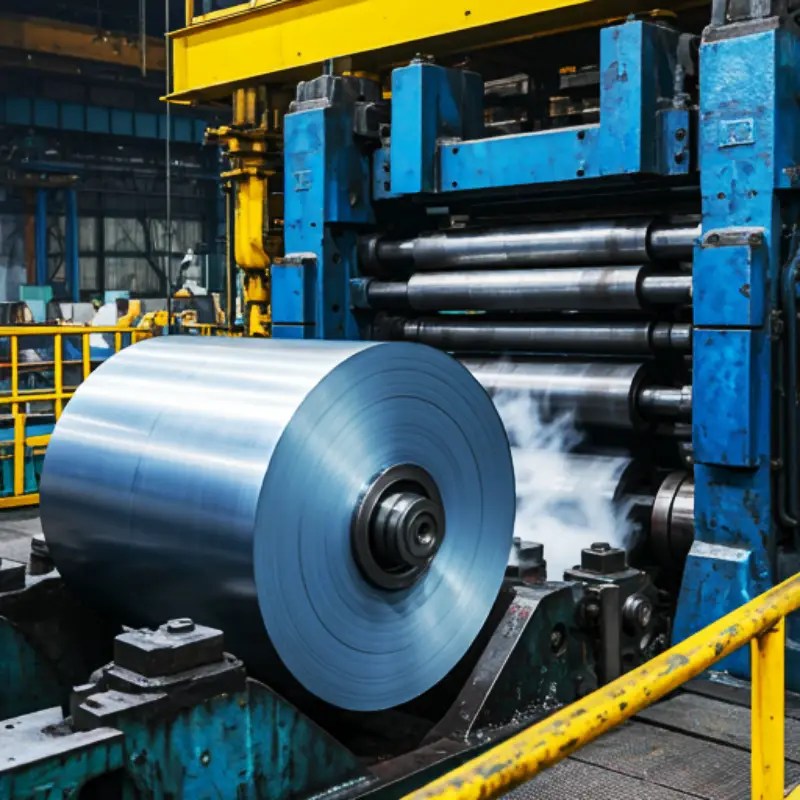
Cold rolling refers to the process of reducing the thickness of steel at room temperature using rolling mills. This method effectively enhances surface smoothness and improves mechanical properties. The cold rolling process typically involves several steps: cooling after hot rolling, surface cleaning, cold rolling, annealing, and pickling. Understanding these steps is essential to grasp the adaptability of cold rolling for different steel grades.
Cold Rolling Processes for Different Steel Grades
Carbon Steel
Carbon steel is the most common material in cold rolling, and its processes are relatively straightforward. The cold rolling of ordinary carbon steel can be categorized into two types: standard cold rolling and precision cold rolling. Standard cold rolling is suitable for large-scale production, while precision cold rolling emphasizes high accuracy and surface quality. During this process, controlling the cooling rate is critical to preventing grain coarsening and phase changes, ensuring optimal mechanical properties in the final product.
Stainless Steel
The cold rolling process for stainless steel is more complex due to the special nature of its alloy composition. Stainless steel is prone to oxidation and corrosion during cold rolling, which often necessitates processing in an inert atmosphere, such as argon. Furthermore, a series of post-cold-rolling treatments, including annealing, require strict control of temperature and time to maintain excellent corrosion resistance and strength. These meticulous processing steps enable stainless steel to excel in high-demand applications.
Alloy Steel
The cold rolling process for alloy steel typically aligns with specific application requirements. High-strength alloy steels may require specialized heat treatment after cold rolling to meet stringent mechanical performance standards. The introduction of alloying elements can affect the plasticity and ductility during cold rolling, making parameter adjustment and optimization particularly important.
Electrical Steel
Electrical steel’s cold rolling process demands rigorous standards for its electromagnetic performance. This type of steel usually undergoes specific annealing treatments post-cold rolling to enhance its magnetic properties. Controlling the rolling temperature and strain rate during the cold rolling process is vital to ensuring the performance of electrical steel. This precise control not only improves product quality but also meets the specialized material requirements of the electrical industry.
Impact of Cold Rolling Processes on Steel Properties
The choice of cold rolling processes has profound effects on the properties of steel. Variations in cooling rates can lead to either grain refinement or coarsening, influencing the strength and toughness of the steel. Additionally, internal stresses generated during cold rolling, if not adequately addressed through post-treatment like annealing, can compromise the stability and lifespan of the final product.
Conclusion
In today’s increasingly competitive global steel market, understanding the cold rolling process characteristics for different steel grades is key to enhancing product quality and meeting market demands. As technology advances, cold rolling processes will continue to innovate, with trends toward greater automation and precision presenting new opportunities and challenges for the steel industry. Mastering these technical details will not only help manufacturers optimize production processes but also enhance the competitiveness of their products in the marketplace. Moving forward, we look forward to the ongoing development of cold rolling processes in the fields of materials science and engineering.