Cuando enfrenta operaciones de formación desafiantes o necesita acero que no se rompa bajo una flexión severa, cold rolled annealed steel strips might be exactly what you’re looking for. After working in the steel industry for over two decades, I’ve seen countless customers struggle with material failures during critical manufacturing processes. Hoy, I want to share what makes cold rolled annealed steel strips the go-to solution for demanding applications.
What Exactly Are Cold Rolled Annealed Steel Strips?
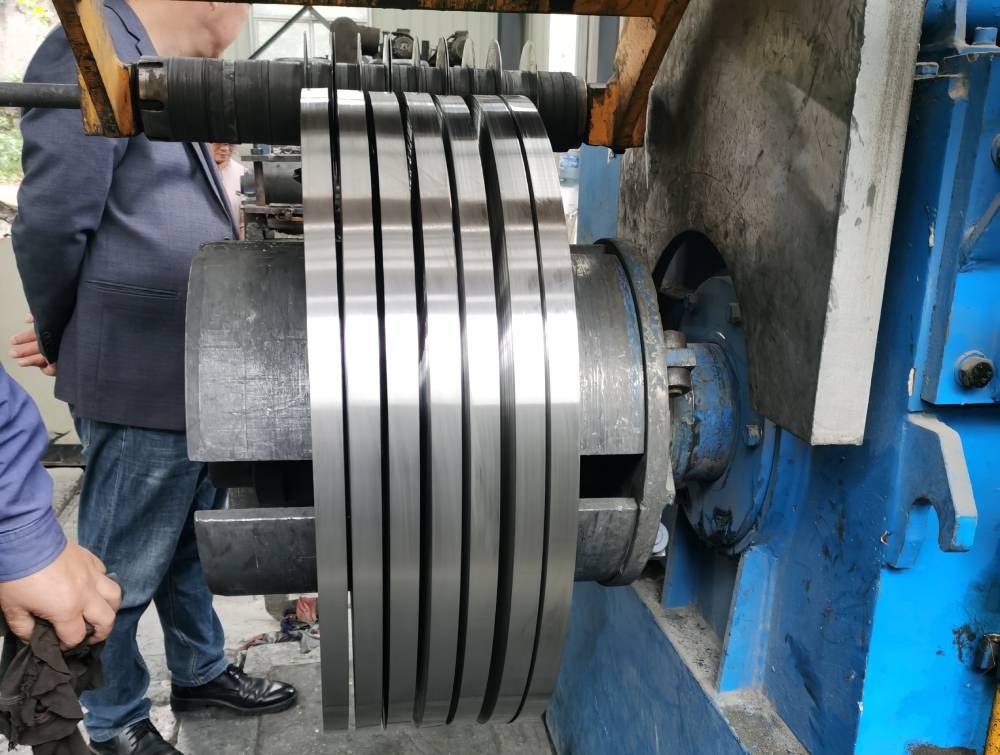
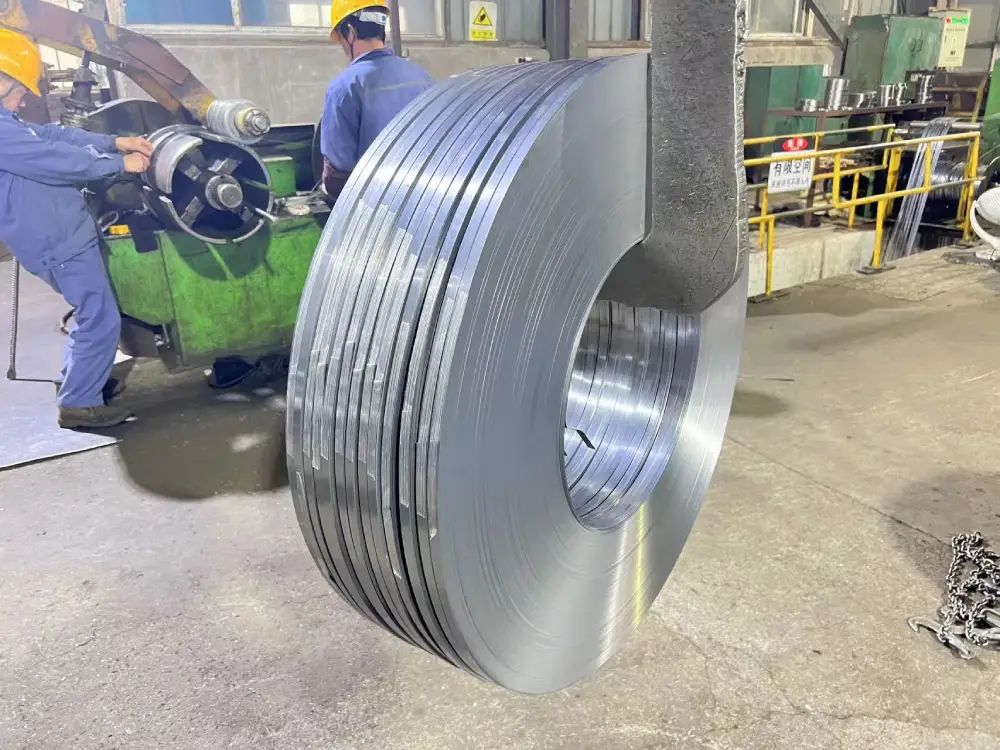
Let’s start with the basics. Cold rolled annealed steel strips are produced through a carefully controlled process that transforms regular hot rolled steel into a material with exceptional ductility and workability. The process involves several critical steps:
First, we take hot rolled steel coils and put them through acid washing to remove any surface oxidation. This step is crucial because that oxide layer, typically 5-20 micrometers thick, can compromise the final product’s quality if not properly removed.
Next comes cold rolling, where we reduce the thickness while dramatically improving dimensional accuracy. The steel passes between rotating rollers with a gap smaller than the original thickness, creating the precise dimensions you need.
The magic happens during annealing. We heat the steel to high temperatures in a controlled atmosphere, then cool it slowly. This process fundamentally changes the steel’s structure, increasing ductility and making it much softer and more workable.
Why Your Manufacturing Process Needs This Material
Here’s where it gets interesting for your applications. Cold rolled annealed steel strips offer something that standard steel simply can’t match: extreme formability without compromising strength after heat treatment.
Superior Cold Forming Capability: If you’re manufacturing springs, lavadoras, clips, or any component requiring severe bending before heat treatment, this material won’t let you down. The annealing process creates a microstructure that can handle aggressive forming operations without cracking or failing.
Precise Dimensional Control: We can achieve thickness tolerances as tight as ±0.015mm for strips under 0.25mm thick. When your production depends on consistent dimensions, this level of precision eliminates costly rework and material waste.
Excellent Surface Quality: The controlled atmosphere annealing process produces a bright, clean surface that often eliminates the need for additional surface preparation in your manufacturing process.
Two Critical Types: Bright Annealed vs. Spheroidized
Not all annealed steel strips are created equal. Understanding the difference can save you significant time and money:
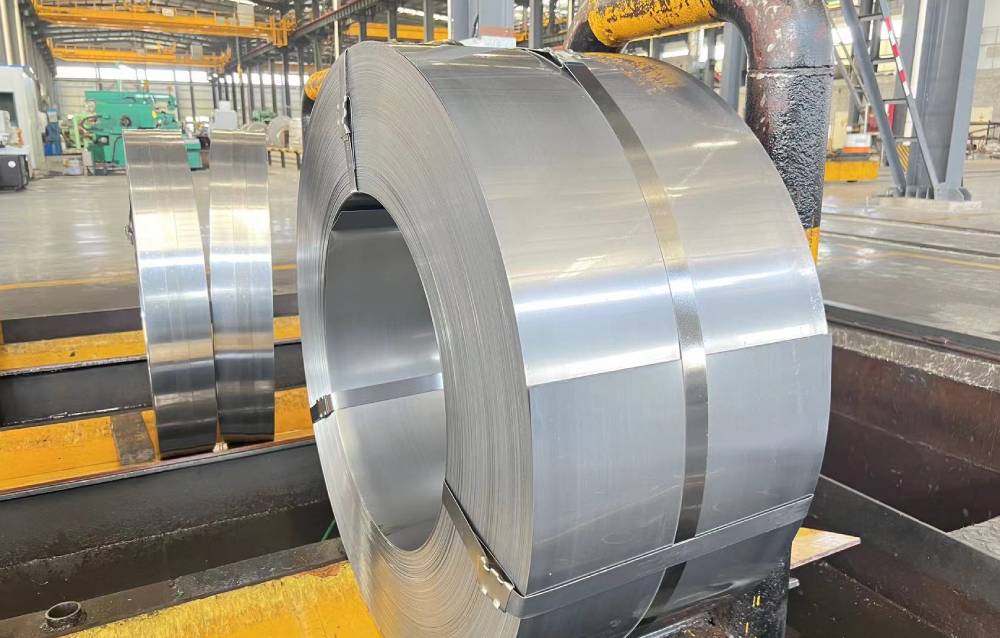
Bright Annealed Steel Strips: These are processed in a confined furnace space with controlled atmosphere to prevent decarburization. The result is a bright, clean surface that’s ready for immediate use in most applications.
Spheroidized Steel Strips: This involves extended heating at temperatures near the critical point, creating a spherical carbide structure. This type offers maximum cold forming capability and is ideal when you need extreme ductility for complex shapes.
Real-World Applications That Benefit Most
From my experience, certain applications consistently benefit from cold rolled annealed steel strips:
- Componentes automotrices: Discos de embrague, lavadoras, and seat belt springs where reliability is non-negotiable
- Construction Hardware: Springs for rolling shutters, where flexibility during operation is critical
- Precision Tools: Components for putty knives, scrapers, and trowels that need to maintain their shape under stress
- Consumer Products: Shoe shanks, insoles, and various clips where consistent performance matters
Technical Specifications That Matter
When selecting cold rolled annealed steel strips, focus on these key specifications:
Rango de grosor: 0.1mm to 5.0mm with standard tolerances from ±0.015mm to ±0.070mm depending on thickness Width Options: 2mm to 1200mm to match your specific requirements
Dureza: Maximum 180HV, providing the softness needed for severe forming operations Acabado superficial: Polish or bright finish options available Tratamiento de bordes: Mill, abertura, or sheared edges depending on your application needs
Control de calidad: What You Should Expect
Quality isn’t just about meeting specifications on paper. Every coil should be inspected for material composition, dimensional accuracy, dureza, and tensile strength. The material should come with proper certification and traceability documentation.
Look for suppliers who use first-rate raw materials from ISO-certified sources. The production process should include proper leveling to remove shape defects before heat treatment, ensuring you receive material that’s flat and free from internal stresses.
Making the Right Choice for Your Application
The key to success with cold rolled annealed steel strips lies in matching the material properties to your specific forming requirements. If you’re doing severe bending operations before heat treatment to achieve high final hardness, this material type is likely your best option.
Consider the complete process: the exceptional formability during manufacturing, followed by your heat treatment to achieve the final mechanical properties your application demands. This approach often results in better final part quality compared to trying to form harder materials.
Cost Considerations and Value
While cold rolled annealed steel strips may have a higher initial cost than standard materials, consider the total cost of ownership. Reduced scrap rates, fewer forming failures, and improved dimensional consistency often result in significant overall savings.
The ability to achieve complex shapes without intermediate annealing steps can streamline your production process and reduce cycle times. When you factor in reduced tooling wear and fewer production interruptions, the economics often favor this material choice.
Looking for cold rolled annealed steel strips for your specific application? Consider factors like your forming requirements, final hardness needs, and dimensional tolerances when making your selection. The right material choice upfront can save significant time and costs throughout your manufacturing process.