Introduction
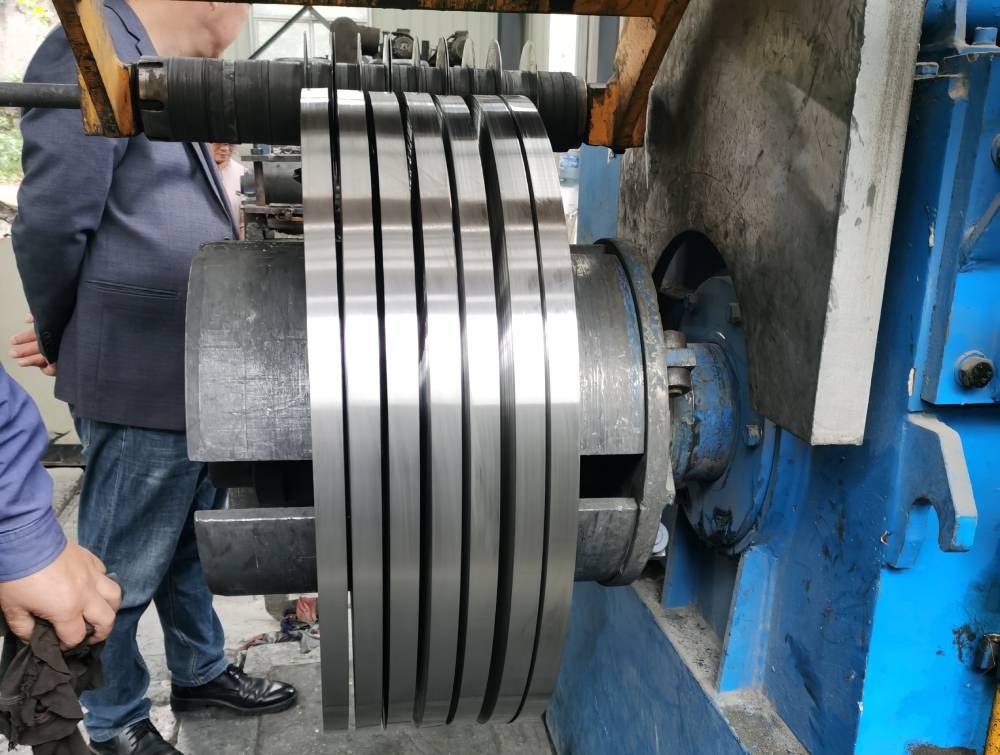
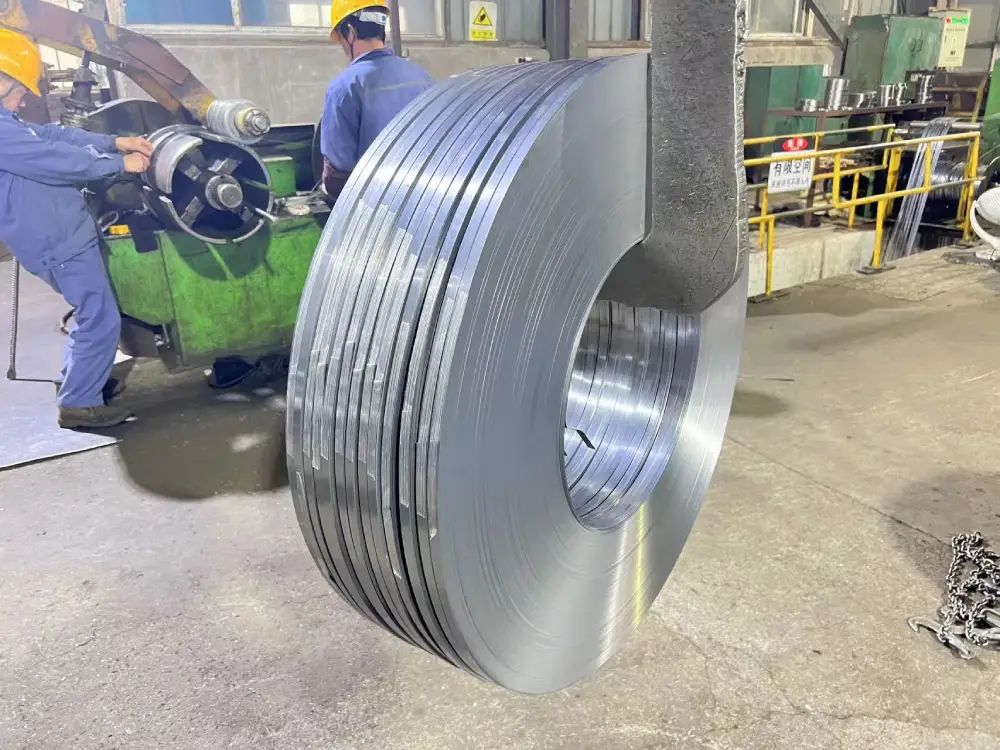
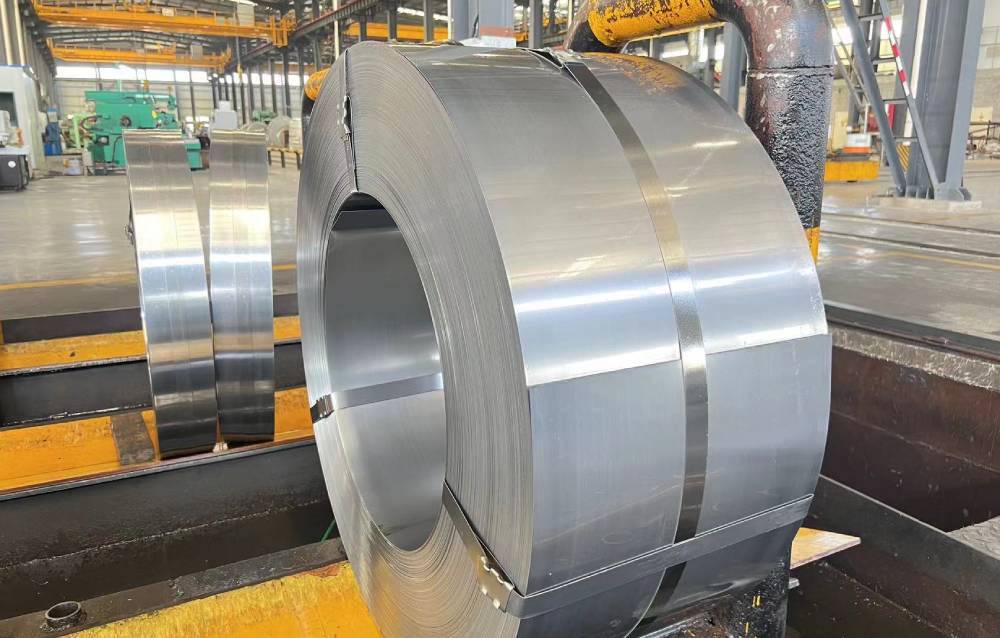
Selecting the right steel strip is critical for engineers and manufacturers who demand precision, performance, and cost-efficiency. At Jiaxiao MTC, we supply both high carbon steel strips (C45S–C95S) and alloy steel strips (50CrV4, 60Si2Mn, 51CrV4, etc.), serving industries ranging from automotive components to saw blades and springsJiaxiaoMTC catalog.
This guide provides a clear comparison between carbon and alloy steel strips—helping you choose the best solution for your specific needs.
1. What Are Carbon Steel Strips?
Carbon steel strips are primarily composed of iron and carbon, with minimal alloying elements. Jiaxiao MTC offers grades from C45S (medium carbon) to C95S (high carbon).
Key Characteristics:
- High strength and wear resistance
- Cost-effective compared to alloy steels
- Excellent for springs, saw blades, washers, and automotive clutch parts
- Can be supplied in annealed (soft for forming) or hardened & tempered (high strength) conditions
Applications:
- Flat and coiled springs
- Band saw and hand saw blades
- Shoe shanks and hardware parts
2. What Are Alloy Steel Strips?
Alloy steel strips contain additional elements like chromium, vanadium, silicon, or nickel, enhancing mechanical and thermal performance. Popular Jiaxiao MTC grades include 50CrV4, 51CrV4, 60Si2Mn, and 50CrNiMoVJiaxiaoMTC catalog.
Key Characteristics:
- Higher toughness and fatigue resistance
- Better performance under stress and high temperatures
- Superior flexibility compared to plain carbon steel
- Ideal for demanding industrial applications
Applications:
- Automotive suspension springs and sway bars
- Heavy-duty saw blades and trowels
- Industrial tools and wear-resistant parts
3. Carbon Steel vs. Alloy Steel: Head-to-Head Comparison
| Feature | Carbon Steel Strips (C45S–C95S) | Alloy Steel Strips (50CrV4, 60Si2Mn, etc.) |
|---|---|---|
| Strength | High (especially when tempered) | Higher due to alloying elements |
| Toughness | Moderate | Excellent, better shock resistance |
| Cost | More affordable | Higher cost due to alloying |
| Heat Resistance | Limited | Superior (chromium/vanadium improve stability) |
| Formability | Easier in annealed condition | Requires precise processing |
| Typical Uses | Springs, blades, washers, clips | Automotive, heavy-duty springs, tools |
4. Which Should You Choose?
- Choose Carbon Steel Strips if you need cost-effective, high-strength material for general manufacturing (springs, blades, washers).
- Choose Alloy Steel Strips if your application demands toughness, fatigue resistance, and performance under extreme conditions (automotive suspension, industrial tools).
At Jiaxiao MTC, we manufacture both types to exacting standards, with tight tolerances in thickness, width, flatness, and hardness, ensuring reliable performance for your projectsJiaxiaoMTC catalog.
Conclusion
Both carbon steel and alloy steel strips have unique advantages. Carbon steel offers strength and affordability, while alloy steel provides durability and superior performance in demanding environments. By understanding their differences, engineers and manufacturers can make informed material choices.
Looking for the right steel strip solution?
? Contact Jiaxiao MTC to source C45S–C95S carbon steel strips and 50CrV4, 60Si2Mn, 51CrV4 alloy steel strips tailored to your specifications.