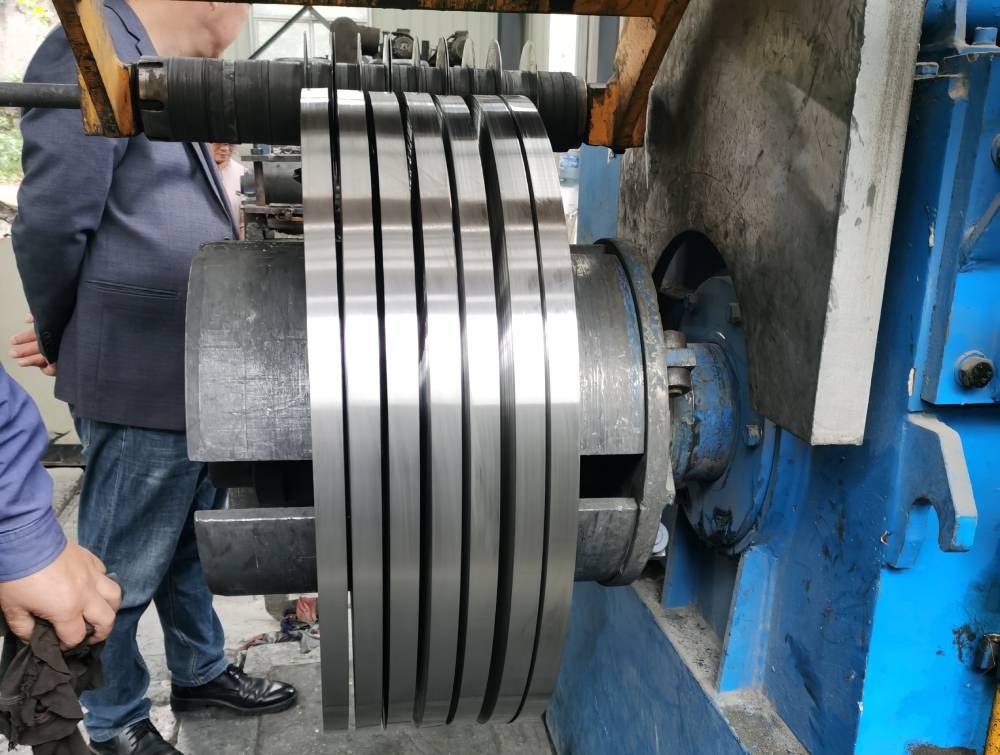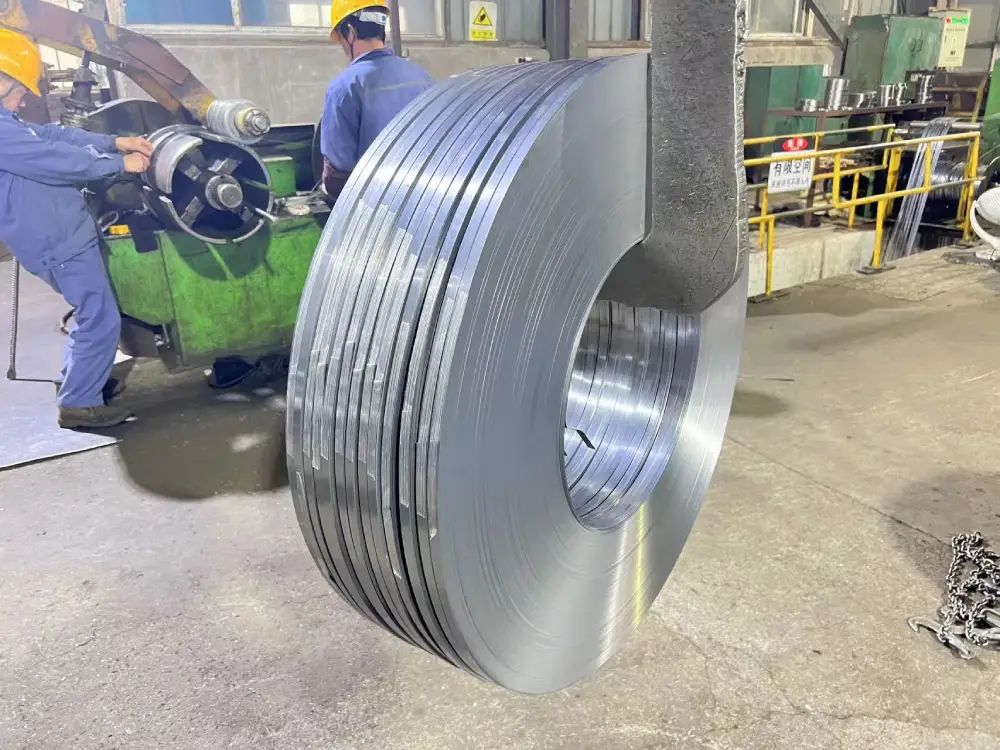
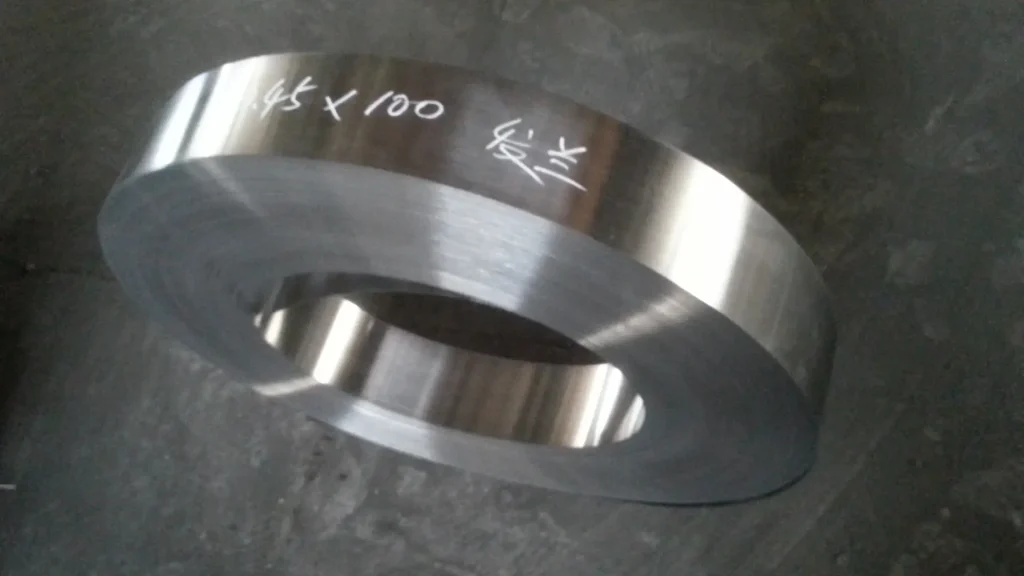
The automotive industry is undergoing a transformative shift toward lightweighting—reducing vehicle weight to improve fuel efficiency, lower emissions, and enhance performance. Among the key materials driving this revolution, полоски из легированной стали stand out for their unique combination of strength, долговечность, и универсальность. В этом блоге, we explore how alloy steel strips are enabling automotive lightweighting, their critical applications, and why they are a cost-effective solution for modern vehicle design.
Why Lightweighting Matters in the Automotive Industry
Lightweighting is no longer optional for automakers. With stringent global emission regulations and rising consumer demand for electric vehicles (электромобили), reducing vehicle weight has become essential to:
- Improve fuel efficiency (for internal combustion engines).
- Extend EV battery range.
- Enhance handling and safety.
- Reduce material waste and production costs.
Alloy steel strips play a pivotal role in achieving these goals without compromising structural integrity.
What Makes Alloy Steel coil Ideal for Lightweighting?
Alloy steel strips are engineered by adding elements like chromium, никель, молибден, or vanadium to carbon steel. This enhances their mechanical properties, включая:
- Высокое соотношение прочности и веса: Stronger than conventional steel, allowing thinner and lighter components.
- Superior Fatigue Resistance: Withstands repetitive stress in dynamic applications.
- Excellent Formability: Can be shaped into complex geometries without cracking.
- Коррозионная стойкость: Ideal for components exposed to harsh environments.
Common grades used in automotive lightweighting include50КрВ4, 60Si2Mn, и16Mncr5, each tailored for specific performance needs.
Key Applications of Alloy Steel coil in Automotive Lightweighting
1. Body-in-White (BIW) Components
Alloy steel strips are used to manufacture lightweight yet robust structural parts such as:
- A-pillars and B-pillars: Reinforce the vehicle frame while reducing weight.
- Roof rails and door beams: Enhance crash safety without adding bulk.
Example: Advanced high-strength steel (AHSS) strips reduce BIW weight by up to25% compared to traditional steel.
2. Chassis and Suspension Systems
- Stabilizer bars and torsion beams: Alloy steel strips provide high torsional strength, improving ride stability.
- Leaf springs: Replaced bulky multi-leaf designs with single lightweight strips (например, 51КрВ4), cutting weight by 30–40%.
3. Engine and Transmission Components
- Valve springs and timing belts: High-temperature resistance ensures reliability in demanding conditions.
- Gears and shafts: Alloy steel strips withstand high torque and wear, extending component lifespan.
4. Electric Vehicle (EV) Battery Trays
Lightweight alloy steel strips are used to fabricate battery enclosures, which must be strong enough to protect cells while minimizing weight to maximize range.
Benefits of Alloy Steel Strips in Automotive Design
1. Weight Reduction Without Sacrificing Safety
Alloy steel strips enable thinner, lighter components that meet strict crash-test standards. Например, martensitic steel strips achieve tensile strengths exceeding1,500 МПа, making them ideal for crumple zones.
2. Cost Efficiency
Compared to alternatives like aluminum or carbon fiber, alloy steel strips offer:
- Lower material costs.
- Simplified manufacturing processes (например, stamping, сварка).
3. Sustainability
Alloy steel is fully recyclable, aligning with the automotive industry’s push toward circular economy practices.
4. Design Flexibility
Alloy steel strips can be customized in thickness, ширина, and hardness to meet specific OEM requirements.
Challenges and Innovations in Alloy Steel Strip Manufacturing
1. Balancing Strength and Formability
Advanced heat treatment processes likeзакалка и отпуск are used to optimize the microstructure of alloy steel strips, ensuring they remain both strong and workable.
2. Surface Quality Control
Technologies likeprecision cold rolling иelectropolishing ensure smooth surfaces, critical for components like fuel injectors or EV battery connectors.
3. Tailored Solutions for EVs
As EVs demand lighter and stronger materials, alloy steel strip manufacturers are developing grades with enhanced electrical conductivity and thermal stability.
Why Choose Jiaxiao MTC for Automotive Alloy Steel Strips?
ВЦзясяо МТС, we specialize in producing high-performance alloy steel strips tailored for automotive lightweighting. Our solutions are trusted by leading automakers worldwide, thanks to:
Key Advantages:
- Кастомизация: We offer alloy steel strips in grades like 50КрВ4 и 60Si2Mn, with thicknesses from 0.1mm to 5.0mm and tailored heat treatments.
- Precision Manufacturing: State-of-the-art cold rolling and annealing processes ensure tight tolerances (±0,02 мм) и стабильное качество.
- Sustainability: Our production processes minimize waste, and our steel strips are 100% recyclable.
- Expert Support: From material selection to technical guidance, our team ensures your project’s success.
Заключение
Alloy steel strips are at the forefront of automotive lightweighting, offering unmatched strength, гибкость, and cost efficiency. As the industry evolves toward electric and autonomous vehicles, the demand for advanced alloy steel solutions will only grow.
ВЦзясяо МТС, we’re committed to driving innovation in automotive materials. Whether you’re designing next-gen EVs or optimizing traditional vehicles, our alloy steel strips deliver the performance and reliability you need.
Свяжитесь с нами сегодня to discuss how we can support your automotive lightweighting goals!