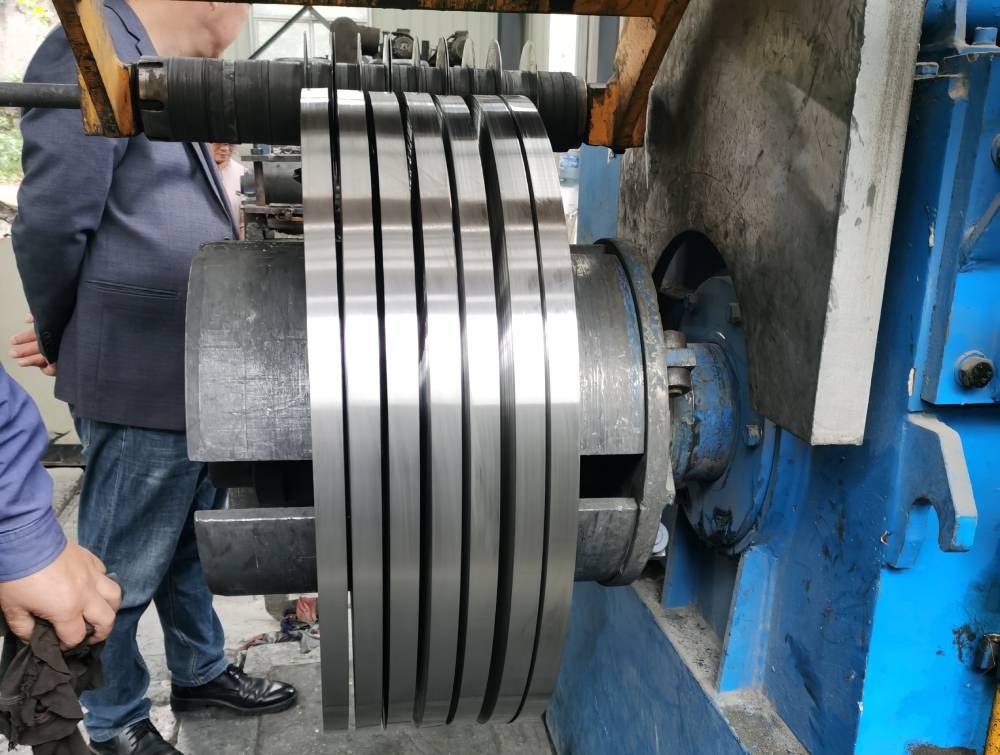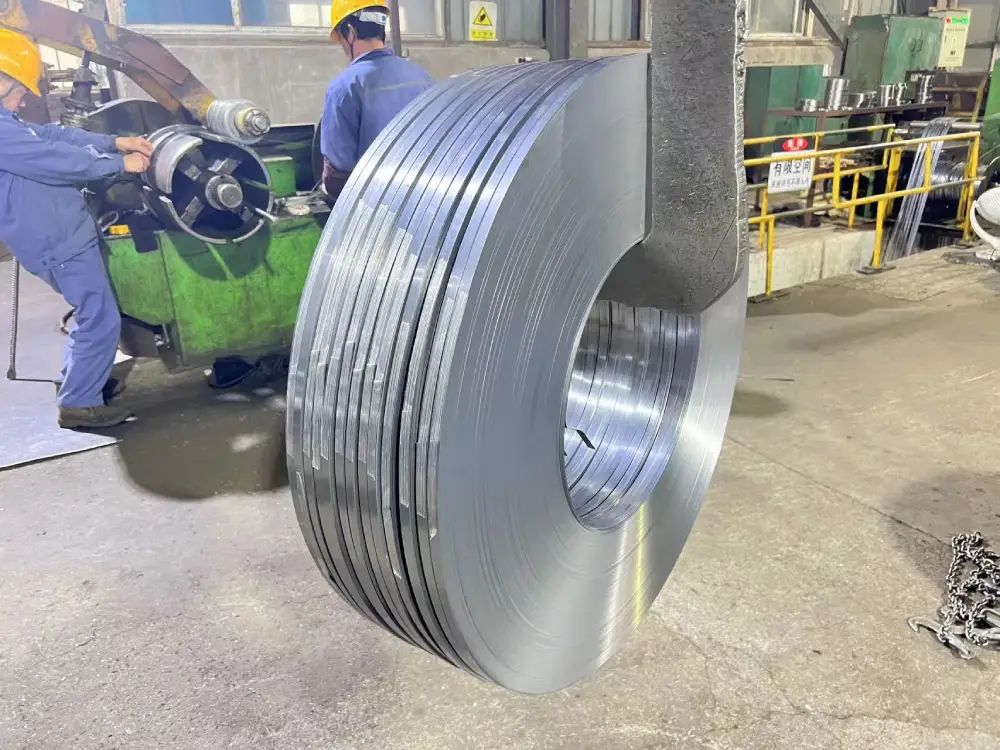
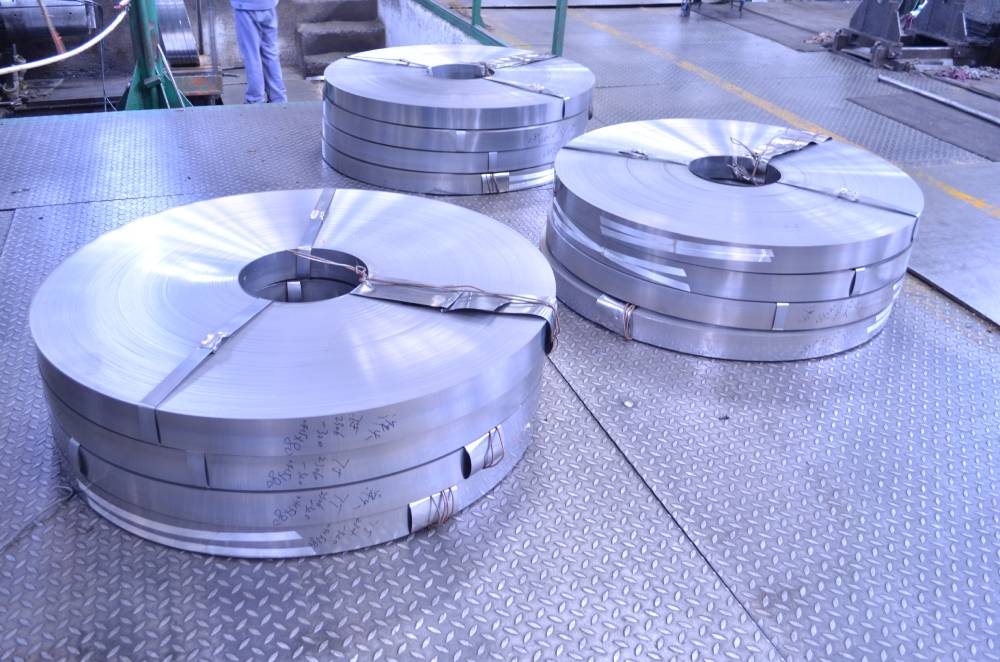
Steel coils are the foundation of countless industrial and manufacturing applications — from automotive parts to construction materials, tools, and consumer goods.
But one question many engineers and buyers ask is: “How long does a steel coil actually last?”
The lifespan of a steel coil depends on several factors such as material type, surface treatment, environment, and storage conditions. Let’s explore how long a steel coil can last — and what you can do to extend its service life.
1. Understanding Steel Coil Lifespan
The lifespan of a steel coil isn’t fixed; it can range from a few years to several decades, depending on the conditions it’s exposed to.
Generally, properly processed and stored cold-rolled or stainless steel coils can last 15 to 50 years, especially when used in non-corrosive environments.
However, factors such as humidity, salt exposure, mechanical stress, and coating quality play crucial roles in determining how long a steel coil will maintain its integrity and performance.
2. Factors That Affect Steel Coil Lifespan
(1) Type of Steel
- Carbon steel coils are strong and cost-effective, but they can rust quickly without protective coating.
- Alloy steel coils offer better wear resistance and durability.
- Stainless steel coils provide excellent corrosion resistance and can last for decades, even in harsh environments.
(2) Surface Treatment
Processes like galvanizing, annealing, or blueing protect the steel surface and prevent oxidation.
For example, annealed and tempered steel strips from Jiaxiao MTC undergo strict heat treatment to enhance both toughness and longevity.
(3) Environmental Conditions
- In dry indoor environments → up to 50 years
- In humid or marine environments → may drop to 10–20 years without protection
(4) Storage and Handling
Proper coil storage — on dry wooden pallets, with protective wrapping, and controlled humidity — can significantly extend service life.
Coils stored outdoors without protection may corrode within months.
3. Average Lifespan by Steel Type
| Steel Type | Typical Lifespan | Notes |
|---|---|---|
| Hot-Rolled Carbon Steel | 5–15 years | Requires coating to prevent rust |
| Cold-Rolled Steel | 10–30 years | Better surface finish, but needs protection |
| Alloy Steel (e.g. 50CrV4, SK5) | 20–40 years | Enhanced wear and fatigue resistance |
| Stainless Steel (e.g. 301, 420) | 25–50 years | Best corrosion resistance |
| Galvanized Steel Coil | 15–40 years | Zinc coating delays oxidation |
4. How to Extend the Lifespan of a Steel Coil
To maximize the durability and performance of your steel coils:
✅ Store properly: Keep coils in a dry, ventilated area away from direct sunlight or water.
✅ Apply protective coatings: Zinc, chrome, or oil coatings help prevent corrosion.
✅ Avoid mechanical damage: Handle with coil tongs or protective lifting devices.
✅ Use high-quality materials: Choose steel processed with controlled rolling, annealing, and tempering.
At Jiaxiao MTC, every steel coil is carefully processed and inspected to ensure superior surface quality, consistent hardness, and long service life, making it ideal for export and long-term industrial use.
5. Conclusion
So, what is the lifespan of a steel coil?
It depends on its composition, treatment, and environment — but with proper protection, a high-quality steel coil can easily last 20 to 50 years.
If your production requires durable, corrosion-resistant cold-rolled, annealed, or tempered steel coils, Jiaxiao MTC provides materials engineered for strength, precision, and long-term performance.