Introduction
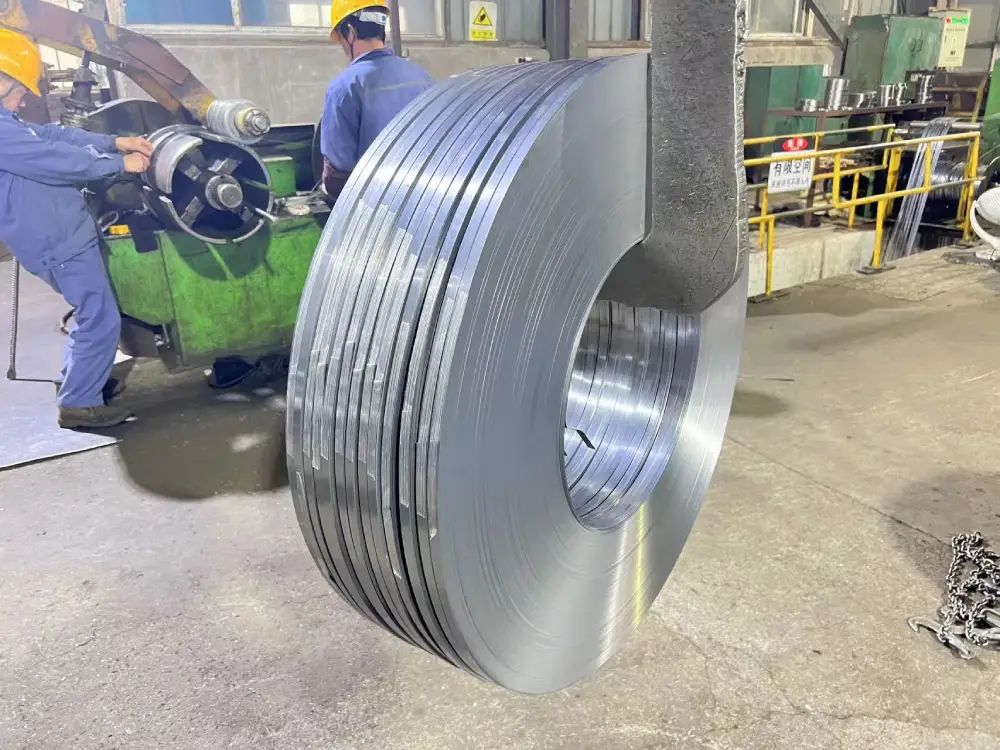
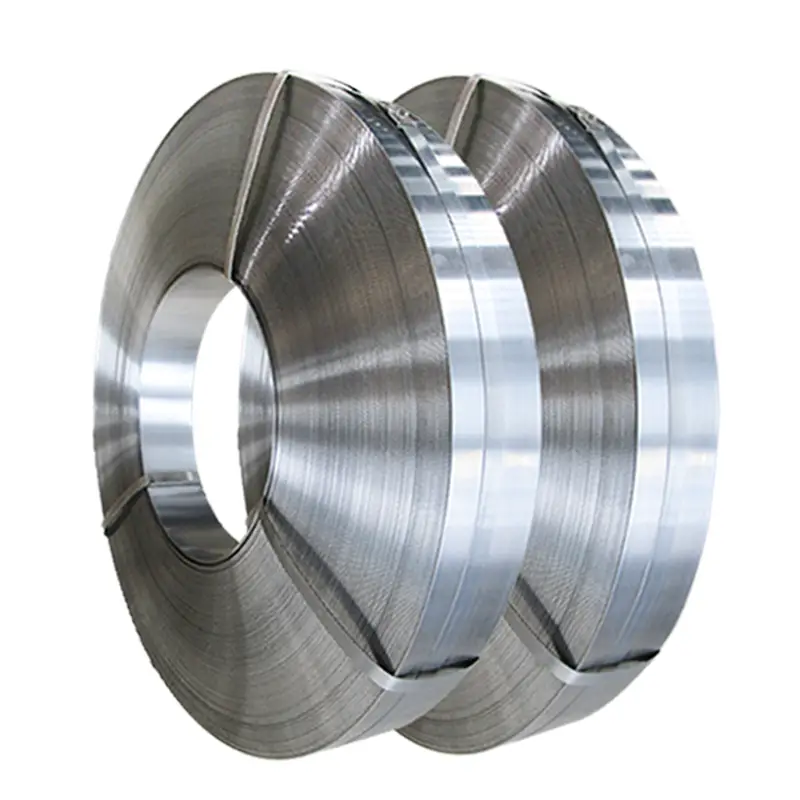
High carbon steel cold rolled coil is widely used in industrial product manufacturing due to its superior mechanical properties and excellent workability. This article will explore the characteristics of high carbon steel, its cold rolling production process, and the heat treatment methods involved, alongside discussing key applications of high carbon steel cold rolled coil across industries.
1. Key Characteristics of High Carbon Steel Cold Rolled Coil
High carbon steel typically contains between 0.6% and 1.4% carbon, and its unique properties make it a sought-after material in various industries:
- Strength and Hardness: Increased carbon content results in higher strength and hardness, making it ideal for manufacturing cutting tools, springs, and wear-resistant parts.
- Hardenability: During heat treatment, high carbon steel can form a hard martensitic structure, boosting its overall hardness.
- Lower Plasticity and Toughness: Due to its higher carbon content, cold rolled high carbon steel coil has lower plasticity, making it more brittle, which requires careful processing.
- Heat Treatment Flexibility: High carbon steel can be further optimized through quenching, tempering, and annealing to achieve desired mechanical properties for specific applications.
2. Production Process of High Carbon Steel Cold Rolled Coil
The production process of cold rolled high carbon steel coil includes several crucial steps:
- Raw Material Selection: Premium hot rolled coils are chosen as the base material for high carbon steel cold rolled products to ensure high-quality end results.
- Cold Rolling Process:
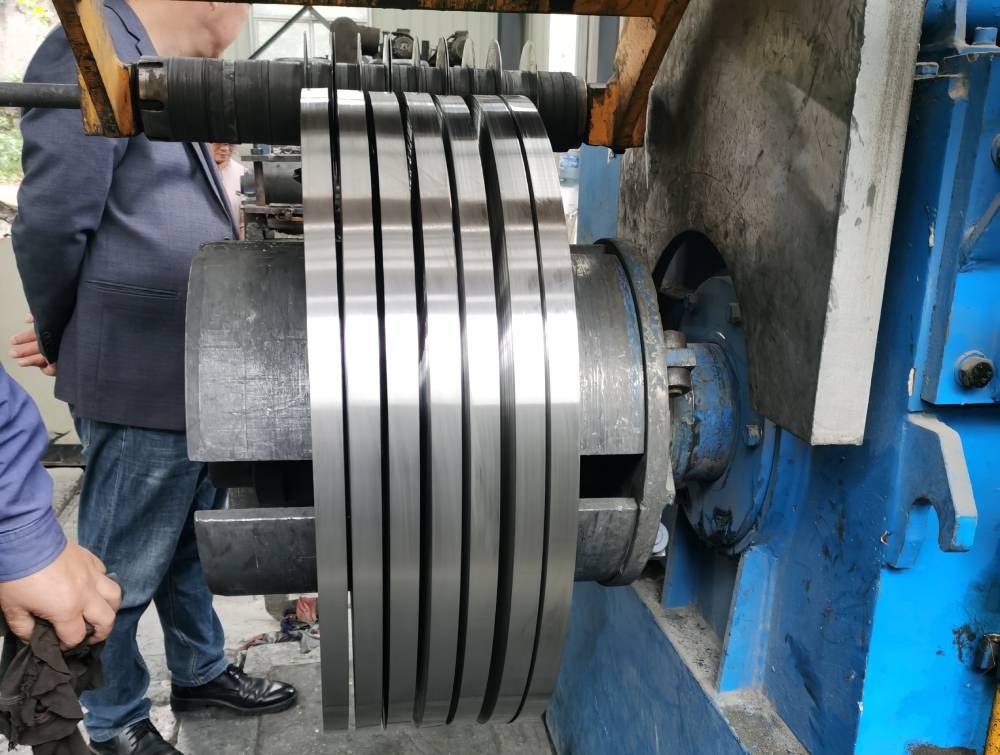
- Cold Rolling: This process reduces the thickness of hot rolled steel to 0.1-5.0mm, improving surface finish and accuracy.
- Surface Treatment: Manufacturers use cleaning, oiling, or acid pickling to enhance corrosion resistance and durability based on customer needs.
- Heat Treatment:
- Quenching: This process involves heating the steel to a specified temperature and rapidly cooling it to increase hardness.
- Tempering: After quenching, tempering is necessary to improve the steel’s toughness and reduce brittleness, ensuring better durability.
- Annealing: By heating and slowly cooling the steel, annealing reduces hardness, enhancing machinability for further processing.
3. Applications of High Carbon Steel Cold Rolled Coil
Due to its outstanding strength and hardness, high carbon steel cold rolled coil finds applications in many demanding industrial fields:
- Mechanical Manufacturing: Manufacturers commonly use high carbon steel to produce high-strength parts such as gears, shafts, and springs.The steel’s superior wear resistance ensures longevity in heavy-duty equipment.
- Tool Manufacturing: High carbon steel is the material of choice for manufacturing cutting tools, drill bits, saw blades, and knife blades due to its high hardness after heat treatment.
- Automotive Industry: High carbon steel is employed in making suspension springs, structural parts, and brake discs. These components require high strength and resistance to stress.
- Household Appliances: Manufacturers in the home appliance sector use high carbon steel for components like washing machine drums and refrigerator frames, taking advantage of its high strength and durability.
- Specialty Sectors: Industries such as agriculture machinery and railway manufacturing rely on cold rolled high carbon steel for its superior wear resistance in critical components.
4. Market Outlook for Cold Rolled High Carbon Steel Coil
Global demand for cold rolled high carbon steel continues to grow, fueled by several key factors:
Manufacturing Sector Growth: As global manufacturing industries recover, the need for high carbon cold rolled steel in automotive, machinery, and appliance production is on the rise.
Technological Advancements: Breakthroughs in production processes enable manufacturers to produce higher-performance cold rolled steel, meeting increasing demands for both precision and strength.
Environmental Sustainability: Strict environmental regulations are pushing companies to adopt more energy-efficient production methods. Cold rolling not only reduces energy consumption but also improves material efficiency, offering a competitive advantage.
Diverse Market Needs: Applications for cold rolled steel with high carbon content are expanding, particularly in high-tech industries like 5G equipment and aerospace, where strong and durable materials are crucial.
5. Conclusion
Cold rolled high carbon steel is a vital material in industries such as mechanical manufacturing, toolmaking, and automotive production. Its high strength, hardness, and wear resistance make it ideal for producing critical components. Heat treatment methods such as quenching, tempering, and annealing further enhance its properties, allowing it to meet the stringent demands of a wide range of applications.
Manufacturers should offer customized solutions in thickness and surface treatments. They must refine production processes to improve quality. Global manufacturing growth boosts the high carbon steel market. Technological advances further drive its significance in modern industry.