Введение
As global manufacturing upgrades and lightweight design requirements rise, the spring industry is undergoing major changes—especially in the materials used for spring production. From automotive suspensions to precision electronics, the performance expectations for springs in 2025 have become higher than ever.
This article analyzes the top material trends shaping the spring industry in 2025 and what suppliers of high-carbon steel strips, полоски из легированной стали, and stainless-steel strips should prepare for.
1. Growing Demand for High-Strength Alloy Spring Steels
Demand for high-strength alloy steels is increasing rapidly, driven by:
- Electric vehicle components
- Industrial machinery
- Heavy-duty mechanical springs
- High-cycle fatigue environments
Compared with traditional grades like 65Мин. или C75S, newer micro-alloyed steel strips offer improved fatigue resistance, elasticity, and long-term performance. This shift is expected to accelerate in 2025 as automotive and machinery manufacturers push for higher durability standards.
2. Rising Use of Stainless Steel and Corrosion-Resistant Grades
Corrosion resistance has become a priority across industries such as:
- Outdoor equipment
- Marine hardware
- Электроника
- Battery modules
- Medical devices
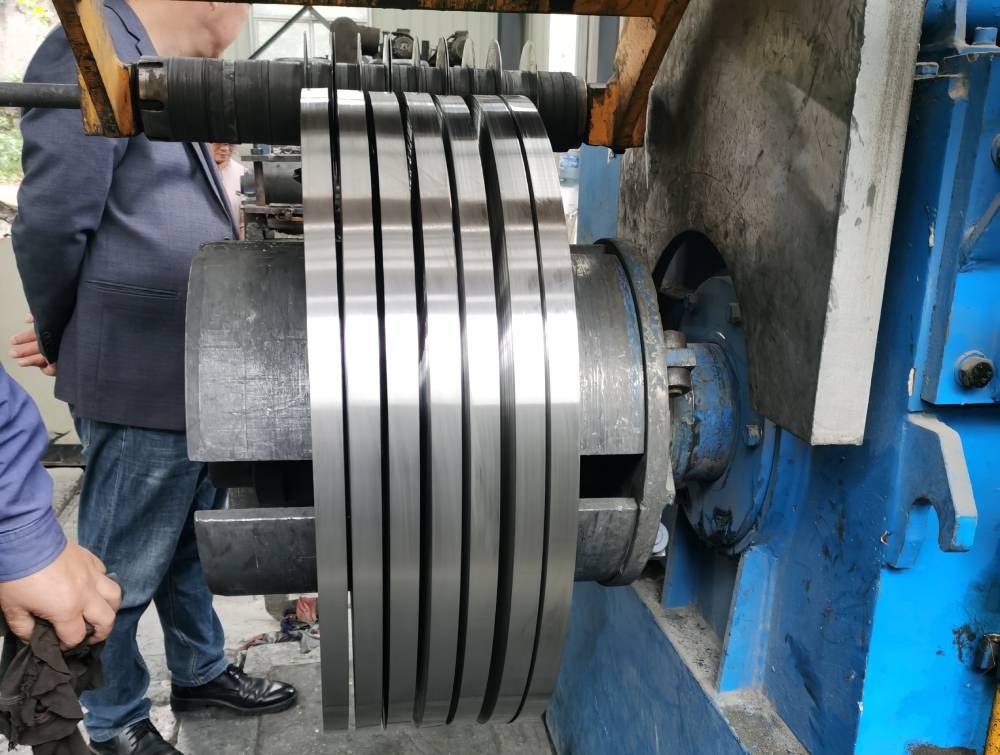
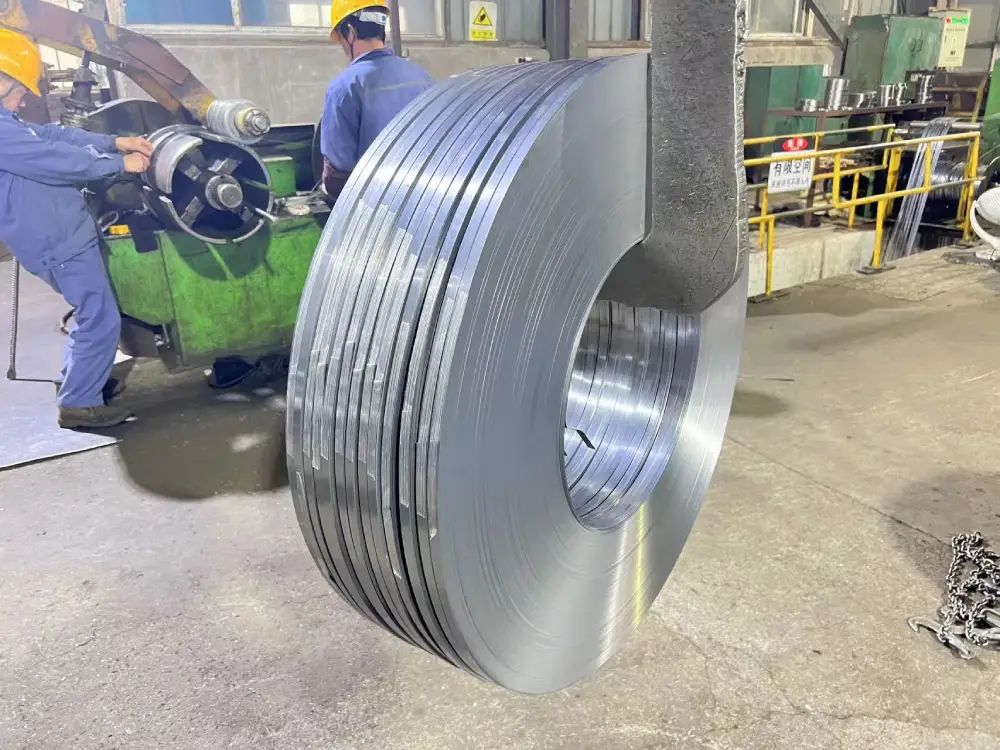
As a result, demand for 301, 304, 316L, и 420 полоса из нержавеющей стали continues to grow. These materials offer durability, anti-rust performance, and stability in harsh environments—making them ideal for precision and miniature springs.
3. Rapid Growth in Micro-Springs and Ultra-Thin Steel Strip
Miniaturization is a major trend. Consumer electronics, smart devices, and precision instruments increasingly require:
- Ultra-thin steel strips
- Narrow steel bands
- High-precision tolerances
This trend boosts demand for precision-rolled stainless steel and high-carbon steel strips used in micro-springs, micro-clamps, and sensitive mechanical components.
4. Поверхностная обработка & Anti-Corrosion Coatings Become Standard
To extend service life and adapt to challenging environments, manufacturers now request:
- Zinc coating
- Phosphate coating
- Anti-rust oil
- Surface polishing
- Heat-resistant and anti-corrosion coatings
For export markets—especially Europe, Southeast Asia, and the Middle East—surface quality and corrosion resistance have become key purchase criteria.
5. Lightweight Materials & Hybrid Spring Structures
Driven by carbon-neutral policies and automotive lightweighting, some manufacturers are exploring:
- Composite springs (carbon fiber / fiberglass)
- Steel-composite hybrid structures
- High-strength lightweight alloys
While composite springs are still niche, they are expected to gain momentum in high-performance applications from 2025 onward.
6. Increased Use of Special Alloy Steels for High-Temperature and High-Load Springs
Industries such as:
- Railway systems
- Aviation
- Petrochemical equipment
- Heavy-duty industrial machinery
require springs that withstand extreme environments. This is driving demand for Si-Cr, Si-Cr-V, and other special alloy steel strips designed for high temperature, высокая прочность, and long fatigue cycles.
7. Customization and Small-Batch Precision Production
As spring applications diversify, customers require:
- Custom thickness & ширина
- Specific hardness levels
- Tailored elasticity & mechanical properties
- Small-batch production
- Fast delivery
This creates competitive advantages for flexible suppliers able to offer precision cutting, heat-treatment customization, and fast lead times.
Заключение
The spring industry in 2025 is entering a new era driven by technological upgrades, легкий дизайн, and higher durability expectations. The most significant material trends include:
- High-strength alloy steels
- Corrosion-resistant stainless steel strips
- Ultra-thin precision strips
- Advanced coatings
- Lightweight hybrid materials
- Special alloy steels for extreme conditions
For suppliers of high-carbon steel strips, полоски из легированной стали, and stainless-steel strips, these trends present both challenges and major opportunities. Companies that embrace precision manufacturing, material innovation, and flexible customization will lead the next phase of global spring development.