Introducción
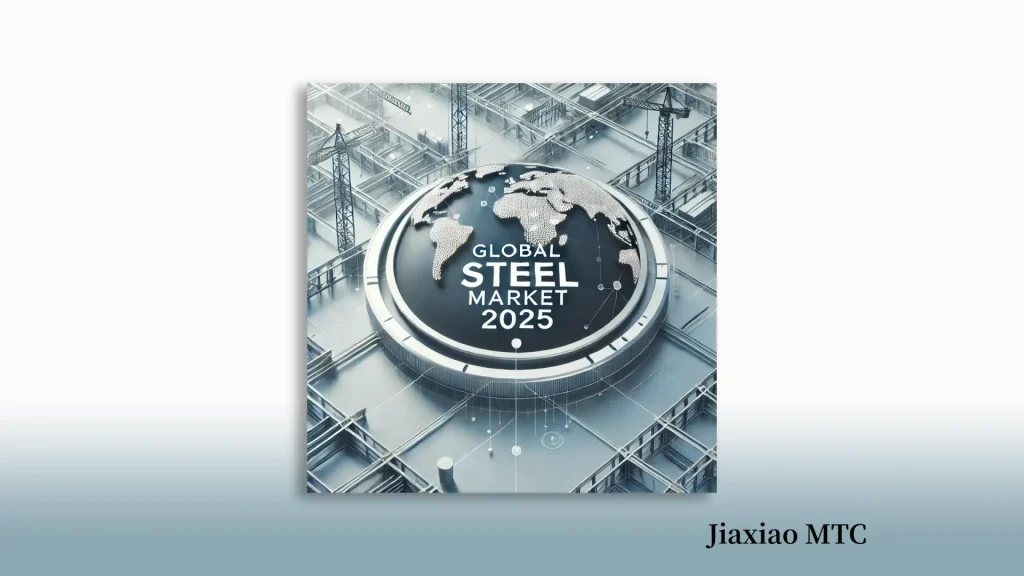
The global steel market is undergoing dynamic changes, with both challenges and growth opportunities on the horizon. According to market data, global steel demand is expected to grow at a Compound Annual Growth Rate (CAGR) de 3.3% through 2025. While this growth is steady, regional performance will vary, with some areas poised to benefit more than others. This article provides a comprehensive analysis of the expected trends, factors influencing steel demand, and regions likely to see the most benefit.
Global Steel Demand CAGR Forecast for 2025
Market projections indicate that from 2012 a 2025, global steel demand will grow at a 3.3% CAGR. This stable growth, however, will differ significantly across regions. Understanding these regional differences is essential for industry stakeholders to make informed decisions.
Key Regions Poised to Benefit the Most
Porcelana:
- Dominance in Global Steel Market: China will continue to be the dominant force in the global steel market, despite a slowdown in growth. Its steel consumption is expected to approach the combined consumption of all other regions.
- Peak Demand Forecast: Chinese steel demand is expected to peak around 2030. Sin embargo, some reports suggest that domestic consumption may have already reached its peak, prompting Chinese steel producers to focus more on exports to maintain production levels.
Eastern Europe:
- Export Growth: Steel manufacturers in Eastern Europe, particularly in Russia, are set to benefit from increased exports. The depreciation of the ruble makes Russian steel more price-competitive on international markets.
- Domestic Raw Material Advantage: Eastern European manufacturers can leverage their access to abundant raw materials, which helps them consolidate or expand market share.
América del norte (NAFTA Region):
- Industrial Revival: América del norte, especially the United States, benefits from shale gas development and lower energy costs, which are driving industrial recovery. Steel demand in the region is expected to increase steadily.
- Growth Projections: By 2025, steel demand in the NAFTA region is projected to reach approximately 215 million tons, with a growth rate of about 2% annually.
Other Regions:
- India: India is expected to outperform other regions in terms of steel demand growth, driven by industrial development and infrastructure projects.
- South Korea and Other Core Markets: Countries like South Korea will maintain positive economic outlooks and strong steel demand trends.
Factors Affecting Global Steel Demand
Several key factors will influence global steel demand through 2025:
1. Geopolitical Tensions:
- Conflicts like the Russia-Ukraine war have disrupted supply chains, increased energy prices, and raised production costs. These geopolitical events have had a significant impact on the global steel market.
2. Global Economic Uncertainty:
- High inflation, elevated interest rates, and a sluggish manufacturing sector are placing pressure on steel demand. These factors contribute to market volatility and uncertain growth projections.
3. China’s Export Growth:
- The increase in steel exports from China has put downward pressure on global steel prices, affecting producers in other regions, particularly in Europe.
4. Environmental Policies:
- Stricter environmental regulations are expected to raise production costs for steel manufacturers. Sin embargo, they also present opportunities for companies that invest in green technologies, which could provide a competitive advantage.
Challenges and Opportunities in the Steel Industry
Desafíos:
- Overcapacity: Overcapacity, particularly in Europe, remains a persistent issue. Structural adjustments are necessary to realign production with actual demand.
- Intensified Competition: Increased competition from regions like China poses significant challenges for European steelmakers.
- Green Transition: The push for environmentally friendly production processes is costly and complex. While necessary, these transitions present hurdles in terms of capital expenditure and operational changes.
- Price Volatility: The fluctuation of steel and raw material prices increases market uncertainty, making it difficult for steel producers to maintain stable profits.
Opportunities:
- High-Value Products: Focusing on high-margin products, such as automotive steel and silicon steel, will enhance profitability. These products are in demand for new energy vehicles, renewable energy, and infrastructure projects.
- Technological Innovation: Investing in new technologies that improve efficiency and reduce carbon emissions will be crucial for long-term sustainability. These innovations can help steelmakers stay competitive while adhering to stricter environmental standards.
- Digital Transformation: By adopting digital technologies, steel companies can optimize their business processes, improve customer relationship management, and increase responsiveness to market demands.
- Regional Advantage: Regional steel manufacturers can capitalize on their geographic proximity to key markets, offering faster and more reliable delivery services that differentiate them from international competitors.
Conclusión
Market analysis indicates that global steel demand will grow at a CAGR of 3.3% by 2025. China and Eastern Europe are expected to be the primary beneficiaries of this growth, with North America also experiencing positive trends. Despite the expected growth, the steel industry faces significant challenges, including overcapacity, intense competition, and the high costs associated with the green transition.
To succeed in the evolving global steel market, industry players must focus on technological advancements, high-value products, and digital transformation. By doing so, they can stay ahead of the competition and adapt to the changing market dynamics. Understanding these factors will be critical for stakeholders seeking sustainable growth and success in the steel industry.