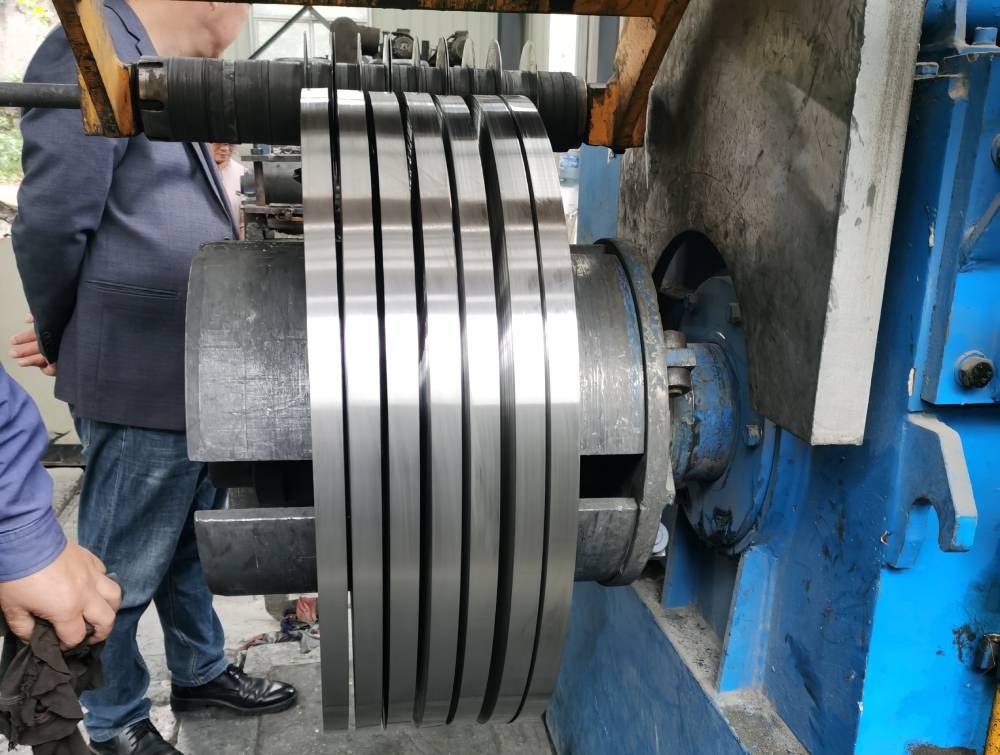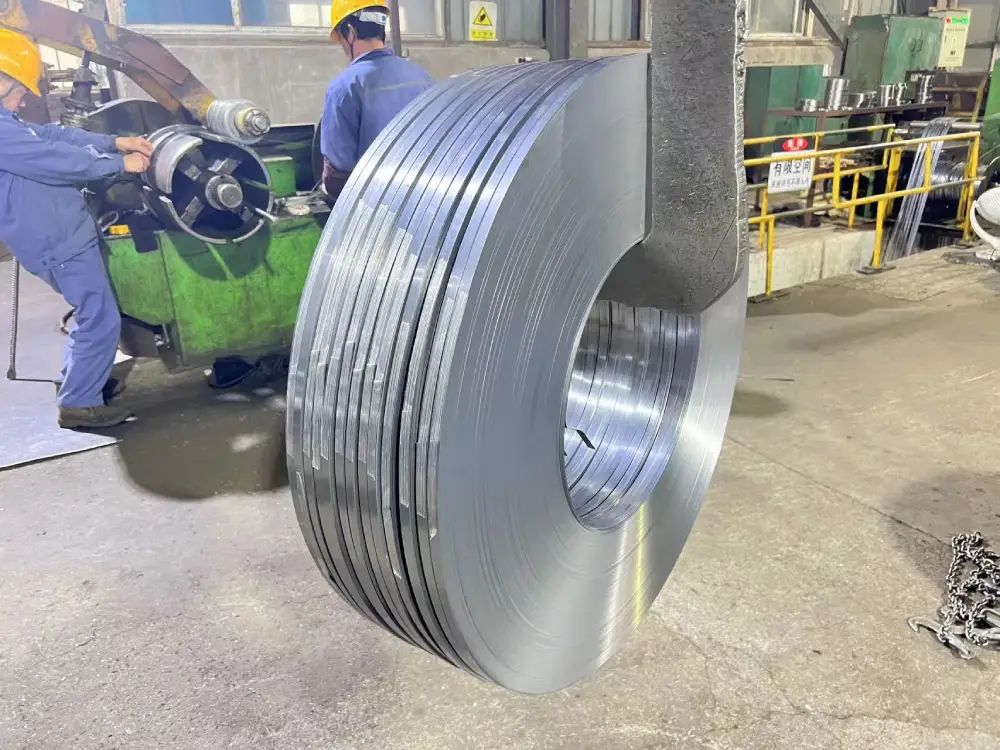

The global high‐carbon steel market is evolving rapidly in response to shifting economic, technological, and environmental factors. As we approach 2025, industry experts are closely watching trends that promise to reshape the landscape of high‐carbon steel production and application worldwide. In this blog, we delve into market drivers, supply and demand dynamics, pricing trends, and competitive factors that are influencing the sector’s future.
Overview of the High‐Carbon Steel Market
High‐carbon steel, widely used in construction, automotive, machinery, and heavy industry, remains a critical material in industrial development. Known for its strength and durability, high‐carbon steel plays an indispensable role in infrastructure and manufacturing. Despite emerging trends toward green and low‐carbon alternatives, high‐carbon steel continues to command a significant market share due to its proven performance in high‐stress applications.
Key Market Drivers for 2025
Several factors are driving the evolution of the high‐carbon steel market as we look toward 2025:
- Robust Industrial Demand: Growth in construction, automotive, and heavy machinery sectors is fueling the need for high‐carbon steel. As emerging economies continue to invest in infrastructure and manufacturing, the demand for durable and high‐performance steel remains strong.
- Technological Advancements: Innovations in steel production methods and processing techniques are enhancing product quality and efficiency. These improvements help producers meet strict quality standards while managing production costs.
- Investment in Capacity Expansion: Global steelmakers are investing in capacity expansion and modernization projects to stay competitive. This includes both upgrading traditional facilities and integrating new technologies to reduce energy consumption.
- Environmental and Regulatory Pressures: While the push toward low‐carbon alternatives is growing, high‐carbon steel manufacturers are adopting cleaner production techniques. Regulatory policies in key markets are prompting companies to improve efficiency and reduce emissions without compromising product performance.
- Global Economic Recovery: Post-pandemic economic recovery has spurred industrial activity worldwide. Increased capital investments, coupled with favorable government policies in major economies, are creating a conducive environment for high‐carbon steel growth.
Supply and Demand Dynamics
The interplay between supply and demand is a critical aspect of the high‐carbon steel market forecast for 2025:
- Supply Chain Optimization: Steel producers are streamlining supply chains to mitigate disruptions and maintain stable production volumes. Strategic partnerships and investments in logistics play a pivotal role in achieving a steady supply.
- Rising Raw Material Costs: Fluctuations in iron ore and coal prices affect production costs and, consequently, steel prices. Manufacturers are exploring innovative solutions to reduce cost pressures while maintaining output quality.
- Regional Market Variances: While demand is robust in Asia–particularly China, emerging markets in Africa and South America are also witnessing increased infrastructure investments. This geographic diversification is expected to create a more balanced global supply and demand scenario.
Price Trends and Revenue Forecast
Market analysts predict that price trends for high‐carbon steel in 2025 will be influenced by several key factors:
- Moderate Price Increases: With rising raw material costs and improved production technologies, a gradual upward trend in prices is anticipated. This is expected to support higher revenue growth for producers.
- Revenue Growth Opportunities: As demand in critical sectors continues to grow, companies that can innovate and optimize production processes are poised to enjoy increased market revenues.
- Competitive Pricing Strategies: To remain competitive in a fragmented market, leading manufacturers are adopting flexible pricing strategies. This includes short-term discounts and long-term contracts designed to hedge against market volatility.
Competitive Landscape & Investment Opportunities
The competitive dynamics in the high‐carbon steel market are characterized by:
- Global and Regional Leaders: Established steel giants continue to dominate the market, while regional players, especially in China and emerging economies, are gaining market share through innovation and cost optimization.
- Mergers and Acquisitions: Strategic consolidations and investments in advanced production technologies are common trends among leading firms, creating attractive opportunities for investors.
- Focus on Sustainability: Companies investing in greener production methods and cleaner technologies are likely to benefit from regulatory incentives and increased market acceptance.
Impact of Environmental Regulations
In the era of stringent environmental standards, high‐carbon steel producers are under pressure to reduce emissions and energy consumption. Manufacturers are increasingly integrating eco-friendly practices, such as:
- Upgrading traditional furnaces with energy-efficient technologies.
- Implementing carbon capture and storage (CCS) solutions.
- Investing in renewable energy to power production facilities.
These initiatives not only help companies comply with international and local regulations but also enhance their competitiveness in a market where sustainability is becoming a key differentiator.
Global and China Market Outlook
The global high‐carbon steel market, particularly in China, is expected to witness significant growth through 2025:
- China’s Dominance: As the world’s largest steel producer and consumer, China’s market dynamics will heavily influence global trends. Ongoing investments in infrastructure and manufacturing are likely to sustain high demand.
- Emerging Markets: Other regions, including Southeast Asia, India, and parts of Africa, are also expected to contribute to global growth as they ramp up development initiatives.
- Technological Integration: Global markets are increasingly adopting innovative production technologies to drive efficiency and reduce environmental impact, setting the stage for long-term sustainable growth.
Conclusion
As we approach 2025, the global high‐carbon steel market stands at a crossroads of innovation, sustainability, and economic growth. With robust demand driven by industrial expansion and infrastructure development, the market is poised for steady growth despite environmental challenges and raw material cost fluctuations. For investors and industry stakeholders, understanding these trends is key to navigating opportunities and mitigating risks in this dynamic sector.
Stay tuned for further updates on market insights and strategic analysis that will help you make informed decisions in the evolving high‐carbon steel landscape.